
Moisture Check
We identify the source, check affected materials, and document moisture levels.


























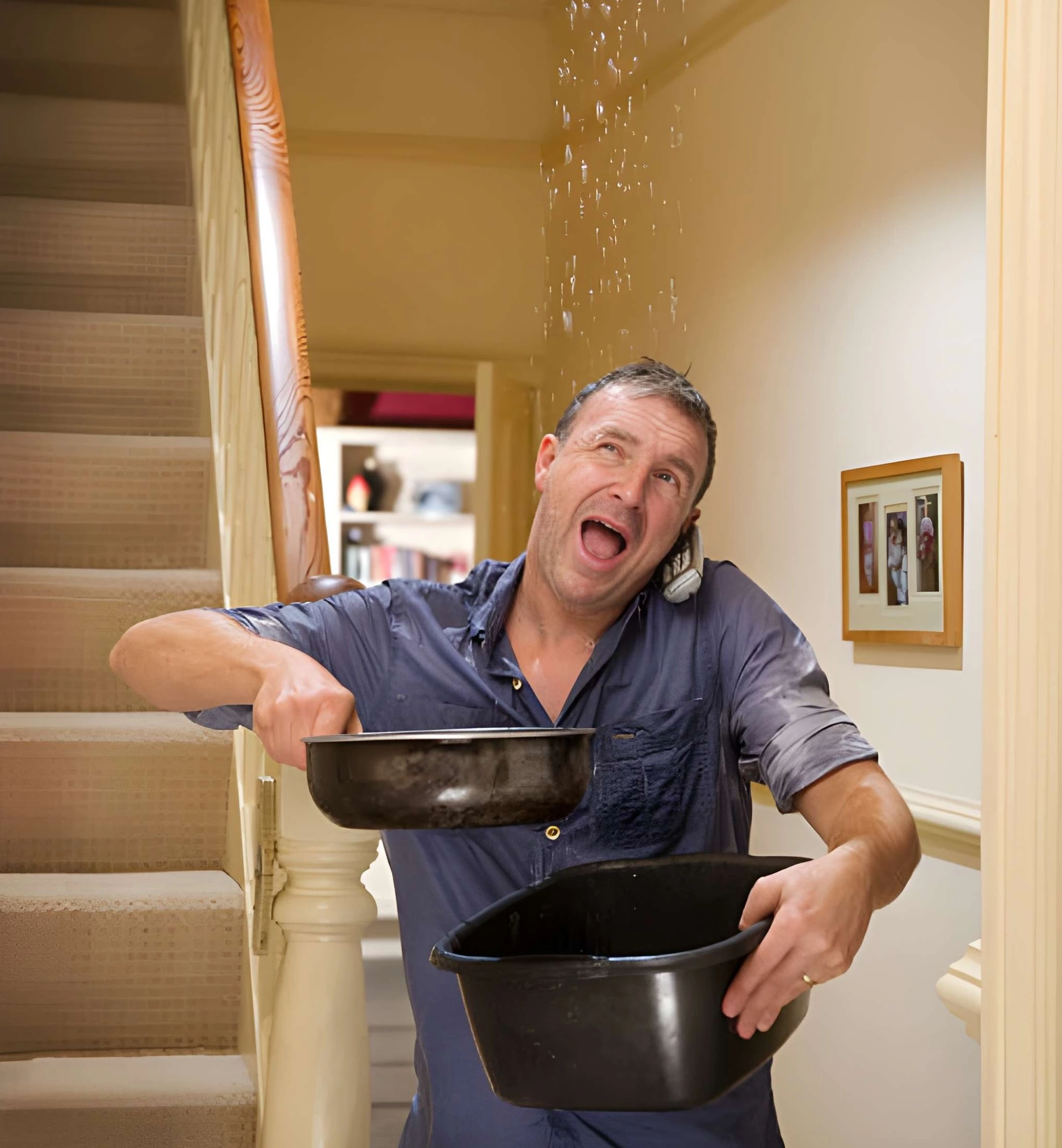
If the water is still running, shut off your home’s main water valve. If water is near outlets, lights, or the electrical panel, stay out of that area until power is safely turned off. Safety comes first.
Next, remove what you can from the wet area. Move furniture, rugs, and valuables to a dry spot. If you can, start picking up standing water with towels or a wet vac.
Take photos and short videos right away. Get wide shots of each room and close-ups of damaged areas. This helps if you need to file an insurance claim or prove what happened.
If water reached drywall, baseboards, cabinets, or flooring, you usually need professional drying to prevent hidden moisture and mold. If you are unsure, contact us and we will guide you.
Mold risk can start within 1–2 days if materials stay wet. The faster the area is dried, the better your chances of avoiding mold.
The surface can look dry while water stays trapped behind walls or under floors. That hidden moisture is what causes musty smells and mold later.
In Greater Cincinnati, basements can stay damp longer because of humidity and groundwater. That makes quick drying more important.
If the area has been wet for more than 24–48 hours, or you smell mustiness, contact us so we can check moisture levels and advise the next steps.
Often it covers sudden, accidental water damage inside the home, like a burst pipe or an appliance leak. It often does not cover long-term leaks or neglect.
Flooding is usually not covered by standard homeowners insurance. Flood coverage is typically a separate policy.
Sewer and drain backup coverage is often an add-on. Many homeowners do not have it unless they specifically added it.
If you are unsure, take photos, stop the source, and contact us. We can help you document the damage and explain what to expect.
Do not enter standing water if electricity could be involved. If water is near outlets, cords, or appliances, stay out until power is safe.
Remove standing water as soon as possible. Start airflow and use a dehumidifier if you have one. Pull up wet rugs and move items off the floor.
Check if your sump pump is working. Also check gutters, downspouts, and where water drains outside, because many basement floods are caused by poor drainage.
If flooding keeps happening in your area (Cincinnati, Norwood, Blue Ash, Mason, West Chester, Florence), contact us. Repeated flooding usually means there is an underlying issue that needs to be fixed.
Treat it as contaminated water. Keep kids and pets away and avoid touching the water. Do not run fans, because that can spread contaminants.
Take photos and separate wet items from clean areas. Porous items like carpet padding and soaked drywall often cannot be safely cleaned.
If you suspect it is from the public sewer, report it to MSD as soon as possible. There are reporting and claims rules that may apply.
For cleanup, contact us. Sewage backups typically need proper protective procedures and sanitizing.
Most jobs have two parts: drying and repairs. Drying often takes a few days, but it depends on how deep the water went into walls, floors, and insulation.
A small leak caught early is faster. A basement flood or water behind drywall takes longer.
The right way to know is moisture testing, not guessing. Materials can feel dry on the outside but still be wet inside.
If you want a realistic timeline for your situation, contact us and we can assess it.
Sometimes yes. If drywall and insulation are soaked, they can hold moisture and grow mold if they are not dried correctly.
If the water was contaminated (sewage backup or dirty flood water), removal is more likely because of health risk.
If the area stayed wet for more than 24–48 hours, removal is often needed to dry the wall cavity properly.
If you are unsure, contact us. We can check moisture and tell you what should be removed and what can be saved.
Sometimes they can be saved if you act fast and the water was clean. The longer water sits, the more likely the boards will cup or buckle.
Water can get under the boards and soak the subfloor. That is why floors can look okay on top but still be wet underneath.
Drying should happen before refinishing. Refinishing too early can trap moisture and cause future problems.
If you want to know if your floors can be saved, contact us and we can check moisture and damage.
Cost depends on how big the wet area is, how long it was wet, and what materials were affected. Clean water is usually cheaper than contaminated water.
The biggest cost increases happen when water spreads behind walls, under floors, or into cabinets. That adds removal, drying equipment, and more labor time.
Repairs (drywall, paint, flooring) are a separate cost after drying is done. Insurance may cover some or all of it depending on your policy.
If you want a clear estimate for your home in Greater Cincinnati or Northern Kentucky, contact us and we will evaluate the damage.
If there is a safety risk (electricity, ceiling collapse, sewage), handle that first. Otherwise, call a restoration company that can respond quickly and dry the structure properly.
Choose a company that uses moisture meters and documents the drying process. You want proof the home is dry, not just “it looks dry.”
They should be able to explain the process clearly and help with documentation if insurance is involved.
If you are in Greater Cincinnati (Cincinnati, Norwood, Milford, Loveland, West Chester, Mason, Florence), contact us and we can help you figure out the safest next step.


