
Trusted Water Damage Restoration for Fort Thomas Homes
Request Service
Our Water Cleanup and Repair Services
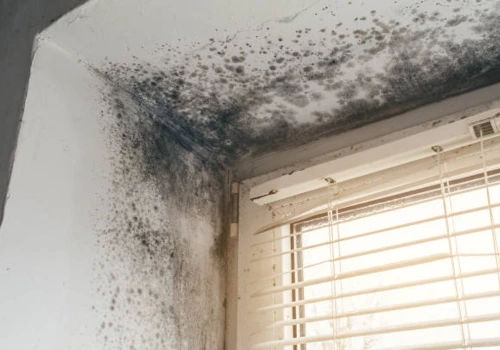
Leaking Pipe Cleanup
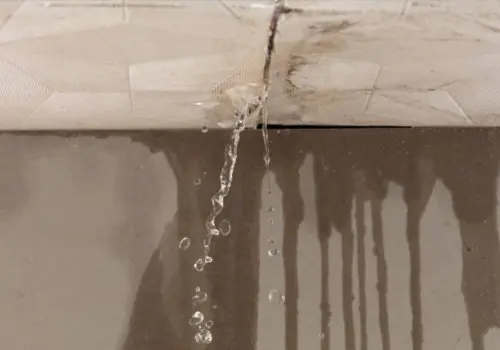
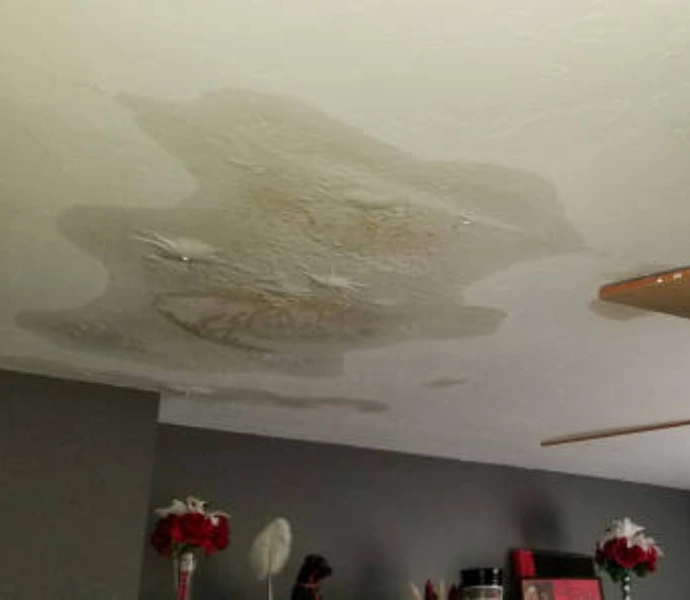
Ceiling Leak Repair
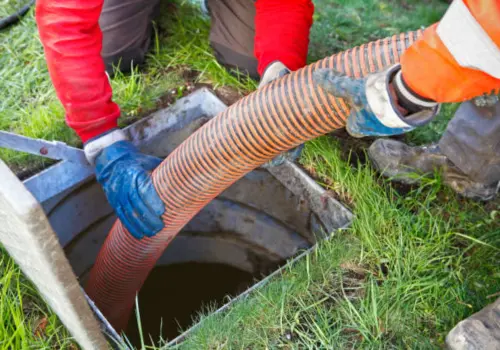
Sewage Backup Cleanup
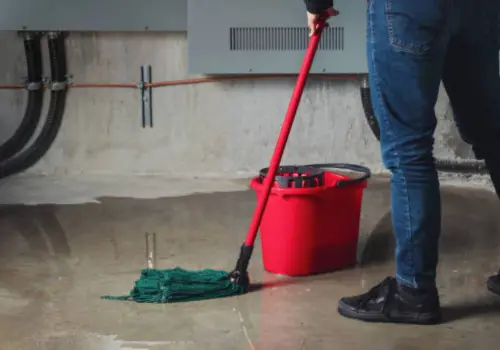
Basement Flood Cleanup
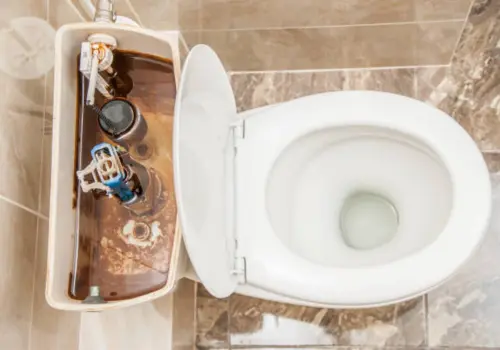
Toilet Overflow Cleanup
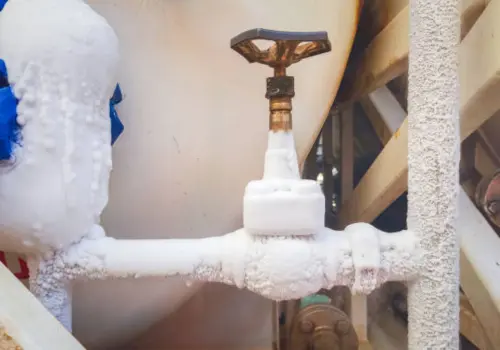
Frozen Pipe Damage Repair
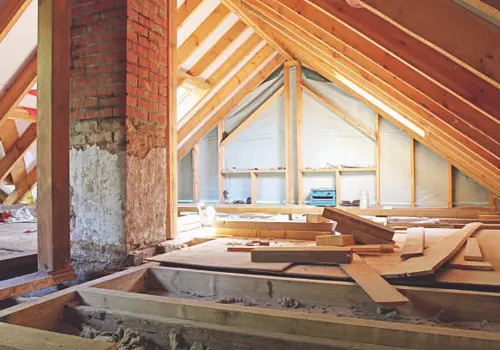
Attic Leak Repairs
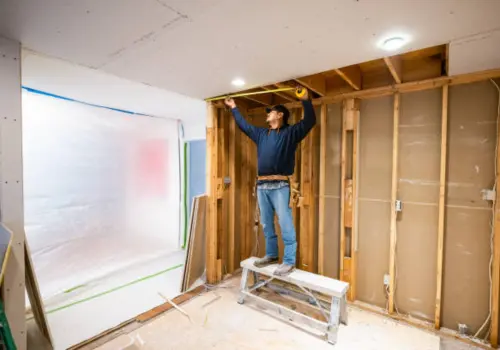
Drywall Water Damage Repair
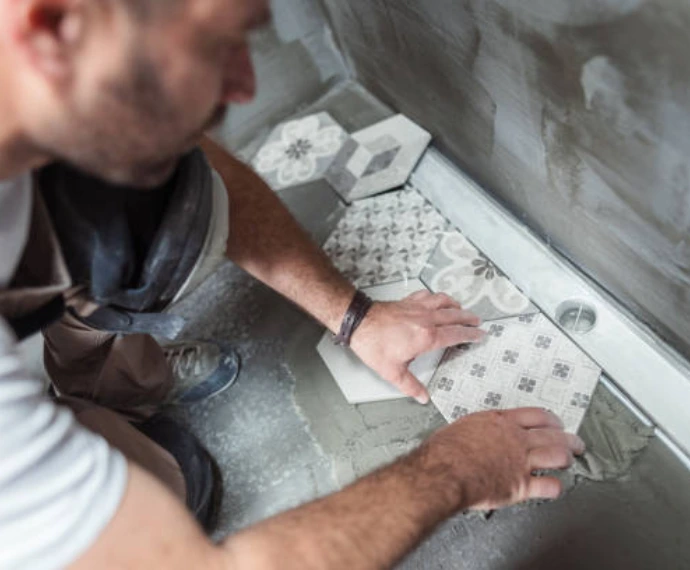
From Water Removal to Final Repairs
Helping Fort Thomas Homes and Businesses Recover
What Usually Causes Water Damage Here?
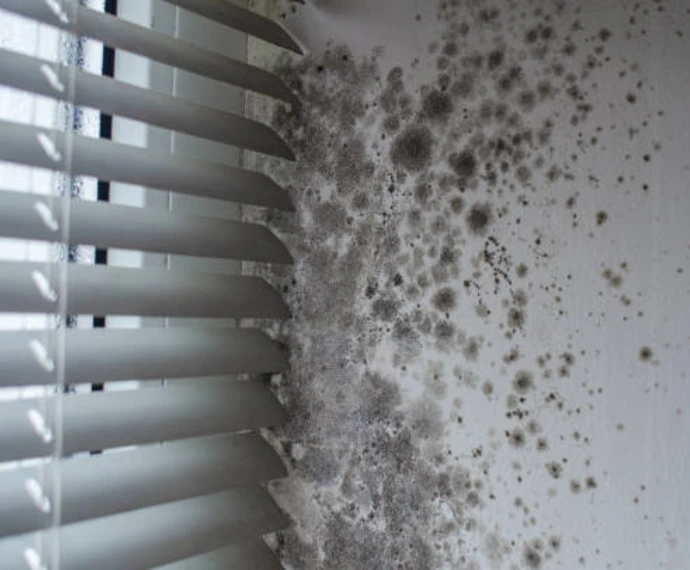
Worried About Mold After a Leak?
What to Do in a Water Damage Emergency
We Work With Major Insurance Providers















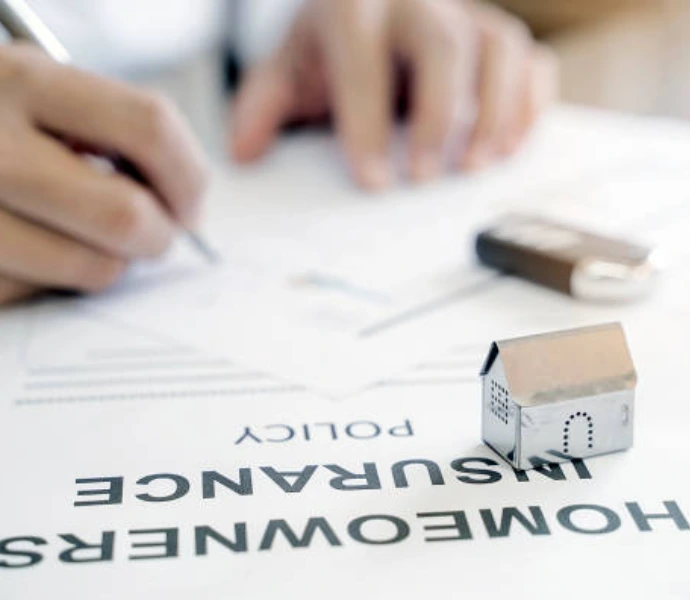
Guidance Through Your Insurance Claim Process
Additional Water Damage Situations We Handle
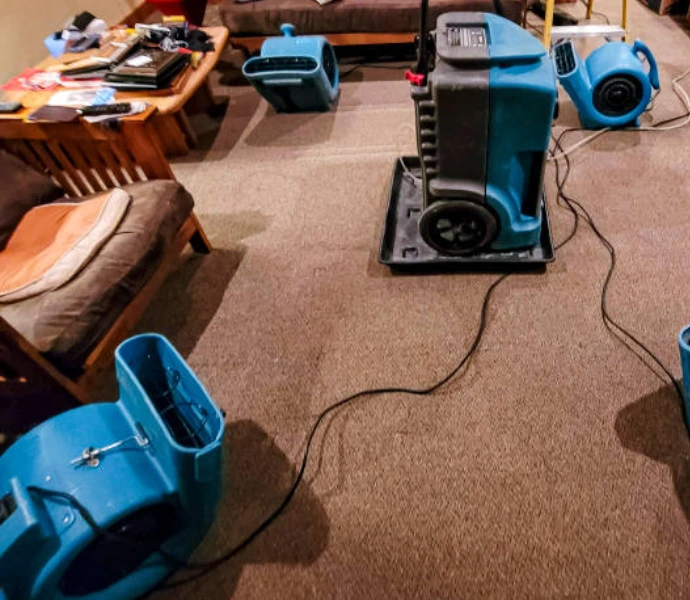
Explore Our Other Restoration Services
Mold Removal & Remediation
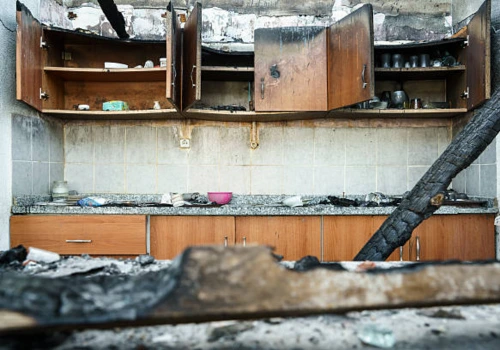
Fire Damage Restoration
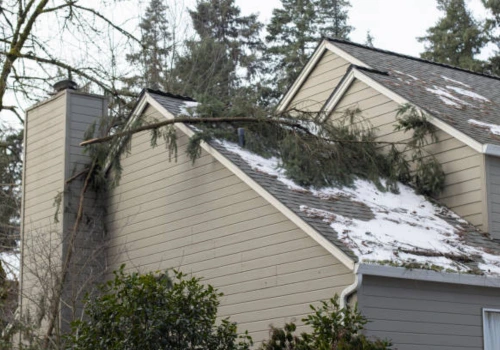
Storm Damage Restoration
What Your Neighbors in Fort Thomas Are Saying
Why Homeowners Trust H2O Restoration
Common Questions From Fort Thomas Homeowners
What should I do first when I find water damage?
Safety first. Turn off electricity to the wet area if you can do so safely. Stop the water source if possible (like shutting off the main water valve). Then, call a professional restoration company immediately to begin water extraction and drying. The faster you act, the less damage occurs.
How long does the water damage restoration process take?
The timeline depends on the extent of the damage. Water extraction and drying typically take 3-5 days with industrial equipment running continuously. Repairs and rebuild can take additional time based on the scope. We provide a clear estimated timeline after our initial assessment.
Do you work with my insurance company?
Yes, we work directly with all major insurance carriers. We provide the detailed documentation (photos, moisture logs, scope) they require and can handle direct billing for the portions of the work your policy covers. We are here to help guide you through the claim process.
How do you prevent mold after water damage?
The key is rapid, complete drying. We use industrial air movers, dehumidifiers, and specialized tools like moisture meters to ensure all water, even inside walls and under floors, is removed. By quickly returning the environment to a dry state, we remove the conditions mold needs to grow.
What's the difference between water removal and water damage restoration?
Water removal (extraction) is the first emergency step of pumping out standing water. Water damage restoration is the complete process that follows: drying structures, cleaning salvageable items, sanitizing, and repairing or rebuilding damaged materials to restore your home.
Can you save my water-damaged hardwood floors or carpet?
It depends on the amount of water, the type of material, and how quickly we begin. We assess each situation. Often, we can save materials through rapid extraction and specialized drying techniques like floor mat systems. If materials cannot be saved, we handle the removal and replacement.
Are you available for emergencies on weekends and holidays?
Yes. We offer 24/7 emergency water damage service, including nights, weekends, and holidays. Water damage doesn’t wait for business hours, and neither do we. Our dispatch line is always open.
Who handles the repairs after the drying is complete?
We do. H2O Restoration manages the entire project, including the build-back and repairs. You won’t need to hire a separate contractor. Our team handles everything from drywall and paint to trim and flooring, ensuring a seamless process from start to finish.
How much does water damage repair cost?
Costs vary widely based on the water source, the size of the affected area, the materials damaged, and the required repairs. We provide a clear, detailed estimate after our initial assessment. A key factor is speed—acting quickly often reduces the overall cost by limiting the damage.
What is "Category 3" water, and why is it a health risk?
Category 3 water, often called “black water,” is grossly contaminated. It includes sewage, floodwater from rivers or streams, and water containing bacteria or chemicals. This water poses a serious health risk and requires specialized safety protocols, removal, and disinfection. Never attempt to clean Category 3 water yourself.