
Sewage Cleanup
Sewage backups are urgent, messy, and potentially hazardous. When wastewater enters a home or business, it can contaminate flooring, drywall, and belongings fast, and it can create unsafe air conditions if it’s not handled properly. H2O Restoration provides professional sewage cleanup in Cincinnati and nearby areas with rapid response, safe removal of contaminated material, deep cleaning, and proper drying so you can get the property back to a safe, usable condition.
Sewage backup cleanup requires safety, not just water removal
Sewage is not the same as a clean-water leak. Wastewater can contain bacteria, viruses, and other contaminants that require careful handling and proper protective procedures. The goal isn’t only to remove the water. It’s to restore safety by removing contaminated materials when needed, cleaning and disinfecting affected surfaces, controlling odors, and drying the structure thoroughly.
If you’re unsure whether it’s sewage or just water, treat it as contaminated until confirmed. Call us and we’ll help you assess the situation safely.
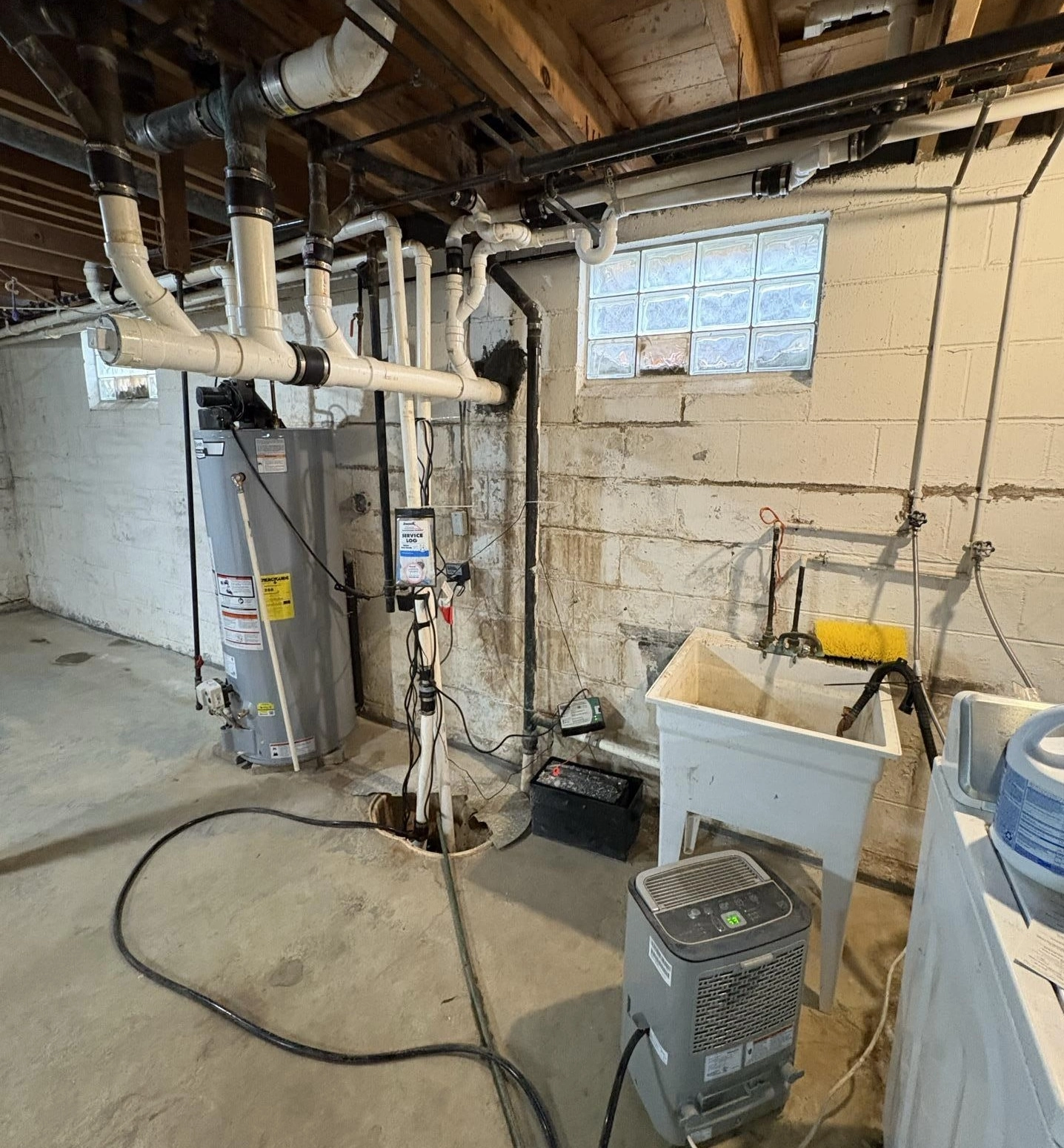
What our sewage cleanup service includes
Our sewage cleanup process is designed to protect your health, stabilize the property, and prevent long-term damage. We build the scope around what’s affected, what can be safely saved, and what needs removal to fully eliminate contamination.
Contaminated water extraction and controlled removal
We remove sewage and contaminated water using professional extraction equipment. When needed, we control the work zone to prevent cross-contamination into clean parts of the home or building.
Safety-focused assessment and contamination mapping
We identify affected materials and the likely contamination path, including flooring seams, baseboards, lower drywall, and hidden cavities. Sewage can spread under flooring and wick into porous materials, so we evaluate both visible and hidden impact.
Removal of unsalvageable materials when necessary
Certain porous materials may need to be removed if they’ve been contaminated, such as carpet padding, saturated drywall, or insulation. We only recommend removal when it’s necessary to restore safety and prevent odor or bacterial issues from lingering.
Cleaning, disinfection, and odor control
Sewage cleanup is heavily focused on sanitation. We clean and disinfect affected surfaces and apply odor control methods designed for wastewater events. The goal is a space that’s safe to occupy, not just “looks clean.”
Structural drying and humidity control
After cleaning and removal, we dry the structure using commercial-grade air movers and dehumidifiers. This helps prevent secondary damage and reduces the chance of mold growth after the event.
Documentation and next-step guidance
We document conditions, affected areas, and key steps taken during cleanup. If insurance is involved, this can be helpful. We also provide clear guidance on what repairs may be needed after the space is stabilized.
How we restore safety after a sewage backup
Sewage cleanup can be overwhelming, so we keep the steps clear and organized from the first call.
1) Rapid response and safety evaluation
We arrive quickly, identify the type of loss, and evaluate safety concerns. If there are electrical risks or heavy contamination, we guide you on the safest way to avoid exposure.
2) Isolate affected areas and remove contaminated water
We control the work area to reduce cross-contamination, then extract contaminated water and remove waste-affected debris when needed.
3) Clean, disinfect, and address odor sources
We clean and disinfect affected surfaces using professional-grade methods for wastewater events, and we target odor sources so smells don’t linger after drying.
4) Drying and dehumidification to prevent secondary damage
We set up drying equipment and monitor moisture levels. Sewage events often involve saturated lower materials, so drying verification is important.
5) Verification and rebuild planning
Once the area is cleaned and dried, we document completion and outline next steps for repairs, such as flooring replacement or lower drywall restoration, depending on what was affected.
Cincinnati Homeowners Reviews

Matt Balducci
on Google

Matt Balducci
on GoogleMatt Balducci
on GoogleMatt Balducci
on GoogleMatt Balducci
on GoogleMatt Balducci
on GoogleMatt Balducci
on GoogleMatt Balducci
on GoogleMatt Balducci
on GoogleMatt Balducci
on Google
Terrence Cooper
on GoogleTerrence Cooper
on GoogleTerrence Cooper
on GoogleTerrence Cooper
on GoogleTerrence Cooper
on GoogleTerrence Cooper
on GoogleTerrence Cooper
on GoogleTerrence Cooper
on GoogleTerrence Cooper
on GoogleTerrence Cooper
on Google
Angelia H.
on GoogleAngelia H.
on GoogleAngelia H.
on GoogleAngelia H.
on GoogleAngelia H.
on GoogleAngelia H.
on GoogleAngelia H.
on GoogleAngelia H.
on GoogleAngelia H.
on GoogleAngelia H.
on Google
Ikia Hatchett
on GoogleIkia Hatchett
on GoogleIkia Hatchett
on GoogleIkia Hatchett
on GoogleIkia Hatchett
on GoogleIkia Hatchett
on GoogleIkia Hatchett
on GoogleIkia Hatchett
on GoogleIkia Hatchett
on GoogleIkia Hatchett
on Google
Maia Jones
Maia Jones
Maia Jones
Maia Jones
Maia Jones
Maia Jones
Maia Jones
Maia Jones
Maia Jones
Maia Jones

Jarrod Humphrey
on GoogleJarrod Humphrey
on GoogleJarrod Humphrey
on GoogleJarrod Humphrey
on GoogleJarrod Humphrey
on GoogleJarrod Humphrey
on GoogleJarrod Humphrey
on GoogleJarrod Humphrey
on GoogleJarrod Humphrey
on GoogleJarrod Humphrey
on Google
Jake Chase
on GoogleJake Chase
on GoogleJake Chase
on GoogleJake Chase
on GoogleJake Chase
on GoogleJake Chase
on GoogleJake Chase
on GoogleJake Chase
on GoogleJake Chase
on GoogleJake Chase
on Google
Amanda Mensing
on GoogleAmanda Mensing
on GoogleAmanda Mensing
on GoogleAmanda Mensing
on GoogleAmanda Mensing
on GoogleAmanda Mensing
on GoogleAmanda Mensing
on GoogleAmanda Mensing
on GoogleAmanda Mensing
on GoogleAmanda Mensing
on Google
Megan D.
on GoogleMegan D.
on GoogleMegan D.
on GoogleMegan D.
on GoogleMegan D.
on GoogleMegan D.
on GoogleMegan D.
on GoogleMegan D.
on GoogleMegan D.
on GoogleMegan D.
on Google
Kimber Roberson
on GoogleKimber Roberson
on GoogleKimber Roberson
on GoogleKimber Roberson
on GoogleKimber Roberson
on GoogleKimber Roberson
on GoogleKimber Roberson
on GoogleKimber Roberson
on GoogleKimber Roberson
on GoogleKimber Roberson
on Google
David Trinh
on GoogleDavid Trinh
on GoogleDavid Trinh
on GoogleDavid Trinh
on GoogleDavid Trinh
on GoogleDavid Trinh
on GoogleDavid Trinh
on GoogleDavid Trinh
on GoogleDavid Trinh
on GoogleDavid Trinh
on Google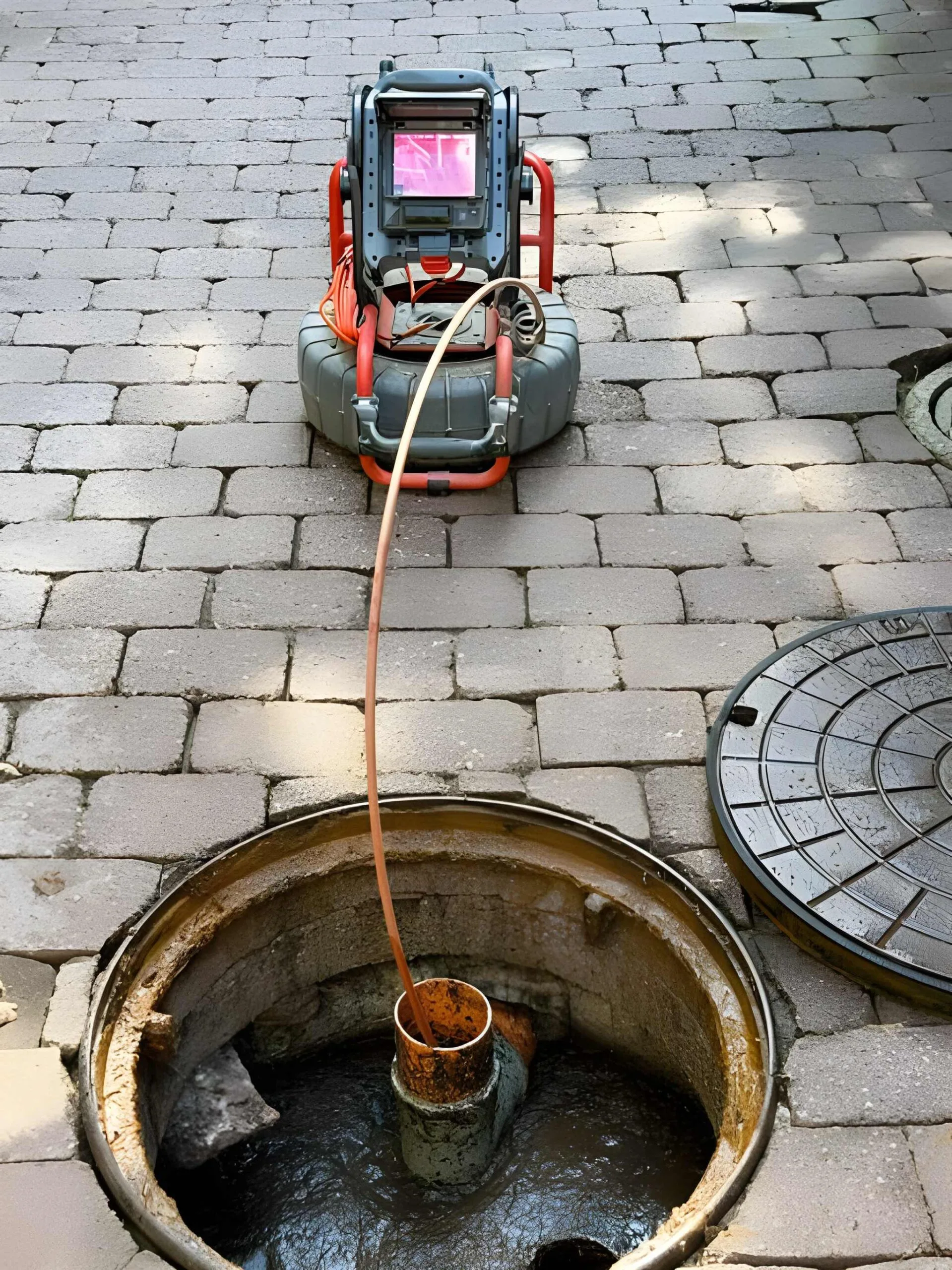
Why sewage issues in Cincinnati need immediate professional cleanup
Sewage backups can happen in Greater Cincinnati homes and businesses for many reasons, including older sewer lines, clogs, heavy rain events that overwhelm systems, or main line problems that push wastewater back into drains. The risk isn’t just property damage. It’s exposure. Sewage contamination can spread quickly, and DIY cleanup can accidentally spread bacteria to clean areas of the home.
If there’s any chance the water is contaminated, it’s best to treat it seriously and get professional help.
Insurance support and practical documentation
Sewage backups can involve insurance, but coverage depends on your policy and the cause. We don’t make promises about coverage. What we do is help keep the process clearer by documenting the work and providing the information you may need.
If you’re unsure what to do next, call us first. We’ll help you understand what to document and how to avoid making the situation worse.
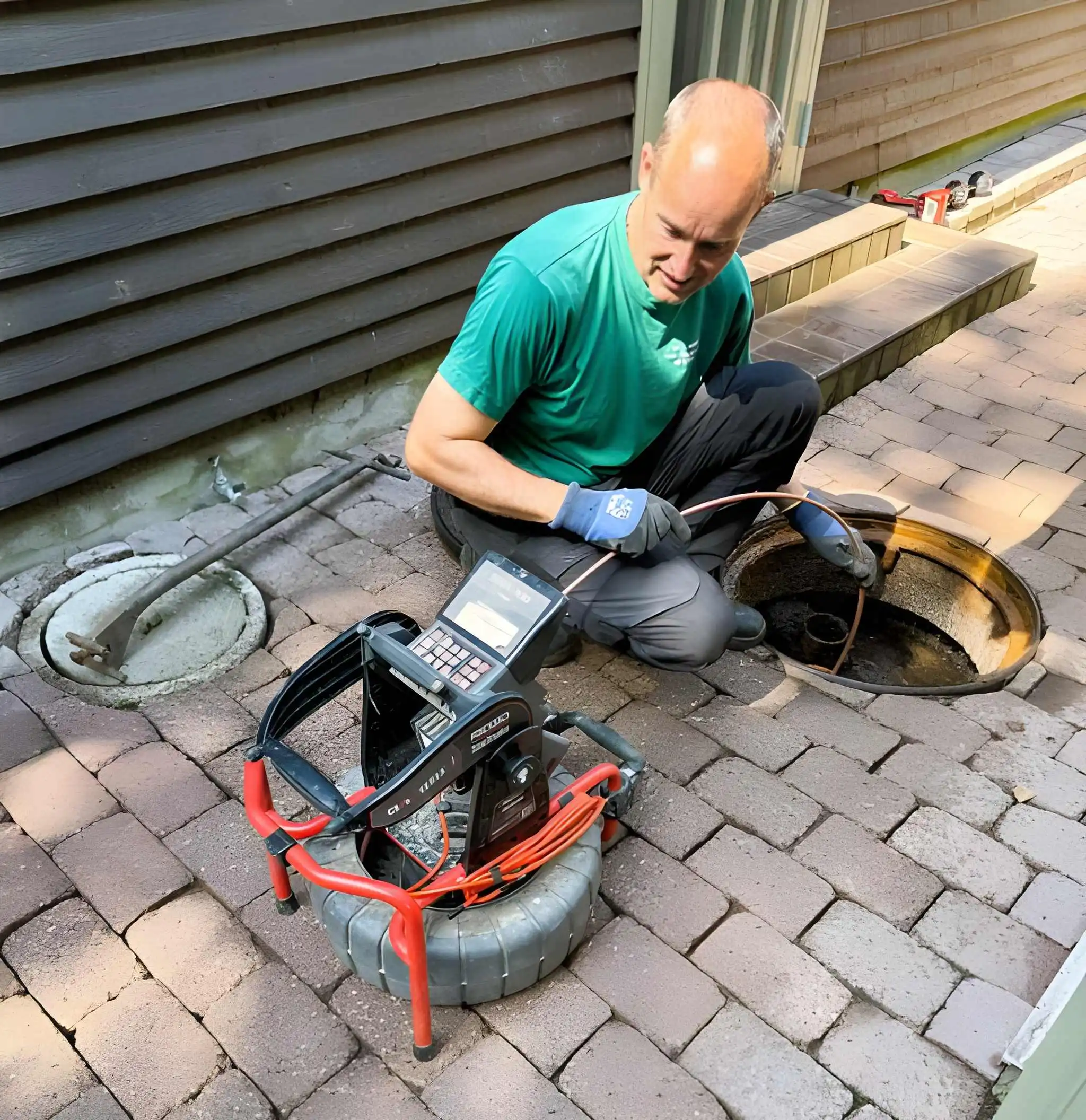
Serving Greater Cincinnati & Nearby Areas
Ohio
Kentucky
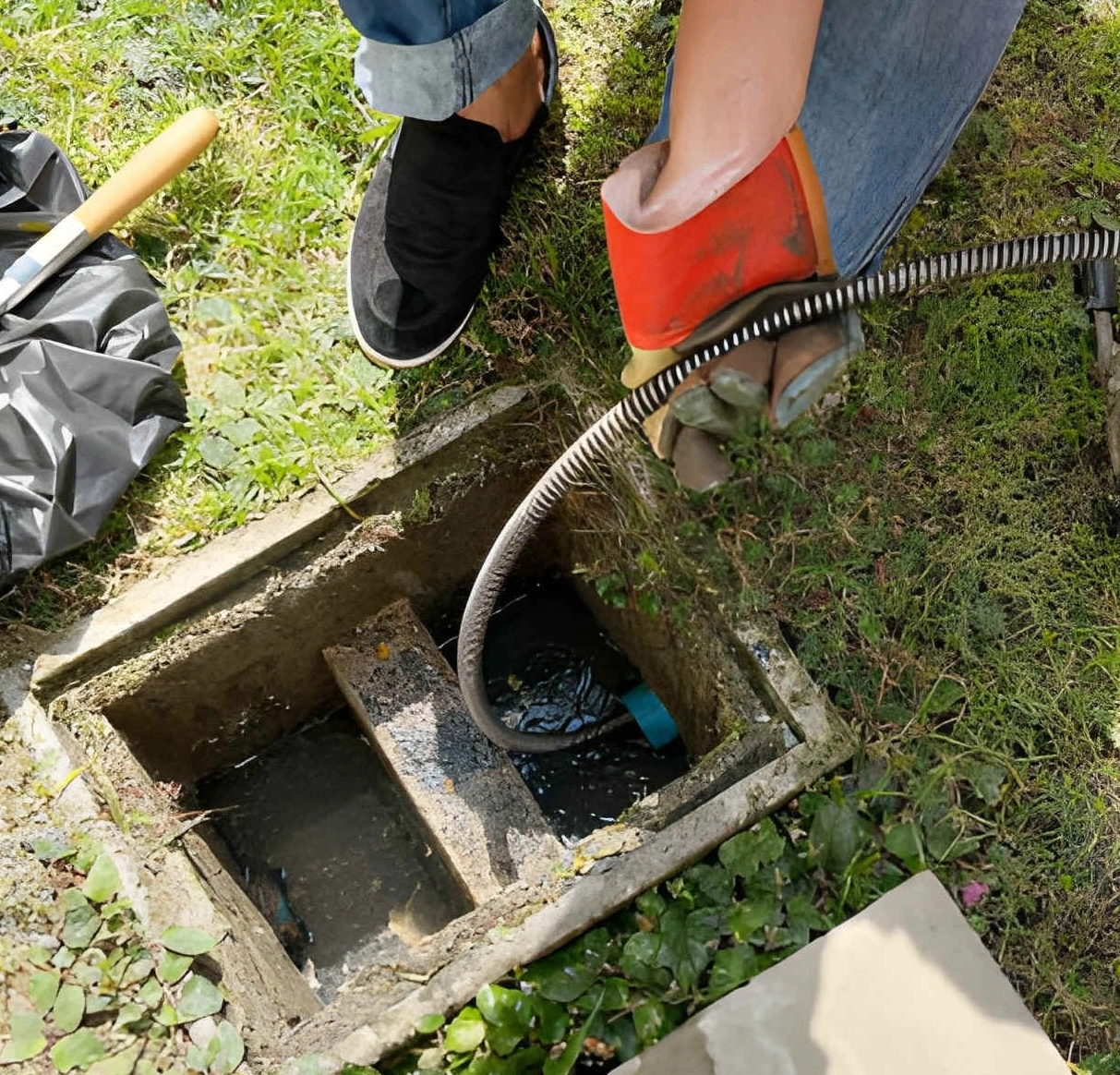
Warning signs you may be dealing with sewage contamination
Sometimes it’s obvious, like wastewater on the floor. Other times, the signs show up first.
If you notice any of these in Cincinnati or nearby areas, it’s best to avoid contact and call for professional sewage cleanup.
Frequently asked questions about sewage cleanup
Is sewage cleanup dangerous?
It can be. Sewage water can contain bacteria and other contaminants that may cause illness. It also can soak into porous materials and create lingering contamination if it’s not handled correctly. That’s why professional PPE, controlled cleanup procedures, and proper disinfection are important. If you’re dealing with a sewage backup in Greater Cincinnati, call (513) 909-6540 for safe next steps.
What should I do first if sewage backs up in my home?
Avoid direct contact with the water and keep kids and pets away. If it’s safe, stop using plumbing fixtures to prevent more backup. Don’t run fans that can spread contaminated moisture into other areas. If you can safely shut off power to affected zones, do so, especially in basements. Then call for professional sewage cleanup and disinfection.
How long does sewage cleanup take?
Timing depends on how far the wastewater spread and what materials were affected. Some situations can be stabilized quickly, while others require removal of contaminated materials and several days of drying and monitoring. We focus on restoring safety first, then drying and documentation to support next steps.
Do you have to remove carpet or drywall after sewage exposure?
Sometimes, yes. Porous materials like carpet padding, lower drywall, and insulation can hold contamination and odor even after surface cleaning. Removal may be necessary to restore safety and prevent long-term issues. We assess the affected materials and recommend removal only when it’s needed for proper sanitation.
Can a sewage backup cause mold too?
Yes. Sewage events introduce moisture, and moisture trapped in walls or under floors can increase mold risk if drying isn’t done properly. That’s why sewage cleanup usually includes both sanitation and professional structural drying, with moisture verification.
Will homeowners insurance cover sewage cleanup in Cincinnati?
Coverage depends on your policy and what caused the backup. Some policies require an add-on for sewer backup coverage. The best move is to document the damage and call your carrier. We can provide photos, notes, and drying documentation to support the work performed.
How do you get rid of the sewage smell?
Odor control starts with removing the source. If contaminated porous materials are left in place, the smell often returns. We clean and disinfect affected surfaces and use odor control methods designed for wastewater events. Proper drying also matters, because damp materials can hold odor and bacteria longer.
Is it safe to stay in the home during sewage cleanup?
It depends on how widespread the contamination is and which areas are affected. In some cases, you may be able to stay in unaffected parts of the home, but you should avoid the contaminated area completely. We’ll explain what’s safe, what to avoid, and how to protect your household during the cleanup process.
What causes sewage backups in basements?
Common causes include main line clogs, tree root intrusion, older sewer lines, heavy rain overwhelming systems, or issues with sewer connections. If your basement has recurring sewage problems, it’s important to address the plumbing cause in addition to the cleanup.
How much does sewage cleanup cost in Cincinnati?
Costs vary based on the extent of contamination, how far wastewater traveled, and what materials need to be removed and replaced. A small overflow is very different from a basement backup that saturated finished walls and flooring. The best way to get accurate pricing is an on-site assessment. Call (513) 909-6540 and we’ll help you get clarity fast.