
Strategic Structural Drainage Installation Pricing Guide
July 14, 2026

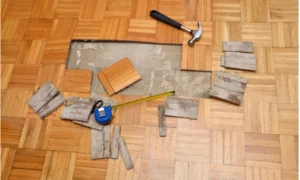


Property Value and Moisture Damage: Protect Your Investment
For most homeowners and investors, real estate is the most significant financial asset they will ever own. While market trends fluctuate, the physical condition of your building remains the true driver of its equity. A critical, often overlooked relationship exists between property value and moisture damage. Even minor, untreated water intrusion can degrade structural components over time, leading to significant appraisal losses. Understanding how to manage your building’s environment is the key to ensuring long-term asset protection.
When a property is assessed for sale or refinancing, inspectors look far beyond the paint and finishes. They look for signs of historical water damage—staining, structural rot, and microbial growth. Once moisture issues are documented in an inspection report, your bargaining power vanishes, and your home’s market value can drop significantly. Proactive structural health assessment is not just about maintenance; it is a vital strategy to maintain the premium valuation of your investment.
Maintaining the value of your property requires a systematic approach. By treating your home like a high-value corporate asset, you can prevent minor issues from becoming major liabilities.
Think of every dollar spent on structural health assessment as a defensive investment. A proactive service call costs a fraction of a structural repair project. Moreover, having a clean, documented history of property maintenance is a powerful tool during negotiations. Sellers who can provide records of professional moisture management often command higher asking prices because they offer buyers peace of mind.
Investor Tip: If you are managing a rental portfolio, implementing a seasonal moisture check schedule is the single most effective way to prevent the “emergency repair” scenarios that eat into your monthly cash flow.
Q: Can previous water damage be fully remediated for resale? A: Yes. When professional remediation is performed, documented, and certified, it restores the integrity of the property and can alleviate concerns from potential buyers.
Q: How often should I have a structural moisture inspection? A: We recommend an annual moisture audit for all properties, especially after seasons of heavy precipitation or extreme temperature shifts.
Q: Does moisture damage always lead to mold? A: Not always immediately, but moisture is the primary fuel for mold growth. If moisture is present for more than 48 hours, the probability of colonization increases exponentially.
Your real estate investment is worth protecting. By addressing the connection between property value and moisture damage today, you ensure that your asset remains strong, healthy, and highly marketable for years to come. If you are concerned about the current structural health of your building, contact our team to schedule a comprehensive property audit.
Call Today to Protect Your Investment | [Insert Phone Number]
Property Value and Moisture Damage • Structural Health Assessment • Long-Term Asset Protection
This blog post shifts the narrative toward wealth preservation, which is excellent for building trust with high-net-worth clients. Would you like me to create a “Property Moisture Maintenance Checklist” that you can use as a high-conversion lead magnet?


