
Water Damage Restoration in Hyde Park
July 14, 2026
H2O Restoration provides expert solutions for water damage in Hyde Park. Trust their professional team to restore your property efficiently…
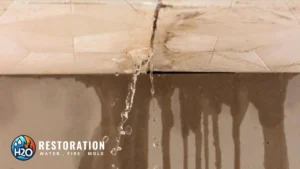

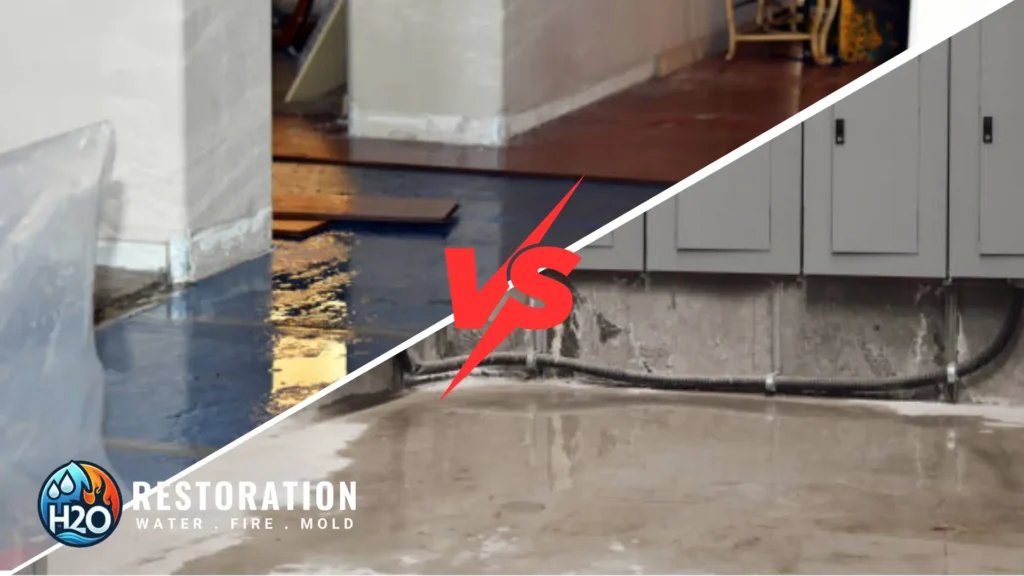
Water damage can hit without warning, causing major headaches for homes and businesses. Knowing how residential restoration differs from commercial restoration helps you make smarter decisions. This article explains each service, likely costs, and why rapid emergency cleanup matters. By the end you’ll be clearer on when to call professionals and how to limit damage.
Residential and commercial water damage services differ in scope, timing, and cost. Residential work focuses on single homes and problems like leaks, flooding, or mold, while commercial work serves businesses and often involves larger spaces and more complex systems.
Commercial jobs frequently receive faster response times because businesses face higher financial loss and liability. Costs can be higher too, since larger damage and specialized equipment raise the bill. Understanding these differences helps you choose the right service when water appears.
Call emergency water extraction when quick action will prevent more damage. Common scenarios include:
Spotting these signs lets you act fast and reduce the overall impact of water damage.
A few key factors drive repair costs for both homes and businesses. Knowing them ahead of time helps you plan and avoid surprises.
At home, costs usually depend on the scale of damage and required services. A small leak might be a quick fix; major flooding can require full structural drying and mold remediation. Even minor issues can escalate if you delay.
For businesses, the same cost factors apply but at a larger scale. Bigger properties may need specialized equipment and techniques, and lost business hours (downtime) can add to total cost, so rapid restoration is especially important.
If you need immediate help with commercial restoration, reach out to a professional restoration service.
Stopping mold after water damage protects your health and your property. Try these simple, effective steps:
These steps reduce mold risk and help protect your property. If you need water damage assistance, consider contacting a professional service.
Public health guidance offers more detail on preventing mold and cleaning up after large water events.
Mold Prevention & Cleanup After Water Damage
Major hurricanes and floods that cause extensive water damage increase the chance of mold contamination in buildings. This report explains how to limit exposure to mold and how to recognize and prevent mold-related health effects. Where scientific uncertainty exists, it recommends practical steps designed to protect people’s health. The report also covers assessing exposure, cleanup and prevention methods, personal protective equipment, health effects, and public health strategies and recommendations. Mold prevention strategies and possible health effects in the aftermath of hurricanes and major floods, 2006
To learn more about H2O Restoration our commitment to quality restoration services, visit our about us page.
Call a restoration service if you see standing water, damp or discolored walls or ceilings, musty odors, or visible mold. Water stains after a leak or flood are also a clear sign. Acting early can prevent more damage and lower repair costs.
The timeline depends on the damage and the area affected. Minor issues can be resolved in a few days; extensive damage may take weeks. Drying time, repairs, and complexity all affect duration. A professional can give a clearer estimate after an assessment.
Yes. Water damage can lead to mold, which may trigger allergies, breathing problems, and other health issues, especially for sensitive people. Contaminated water or sewage can introduce harmful bacteria and pathogens. Address water damage quickly to reduce these risks.
If insurance won’t cover restoration, review your policy to understand exclusions. You can try negotiating with your insurer or getting a second opinion on the claim. Consider financing or payment plans from restoration companies, and invest in prevention to avoid future costs.
Small water issues can sometimes be handled by homeowners, but major damage is best left to professionals. DIY work can be risky when electrical systems, structural repairs, or mold are involved. Professionals have the right equipment, training, and safety procedures to handle complex jobs and avoid costly mistakes.
Professionals use industrial-grade dehumidifiers, air movers, and moisture meters. Dehumidifiers lower humidity while air movers speed drying. Infrared cameras help find hidden moisture, and extraction pumps remove standing water. This equipment ensures a thorough, efficient restoration.
Knowing how residential and commercial water damage restoration differ helps you manage and protect property more effectively. By recognizing the challenges and cost drivers for each, you can make informed decisions that protect your investment. For immediate help and expert guidance, consider contacting a professional restoration service and explore our resources to learn more about safeguarding your property.


