
Water Damage Restoration in Hyde Park
July 14, 2026
H2O Restoration provides expert solutions for water damage in Hyde Park. Trust their professional team to restore your property efficiently…
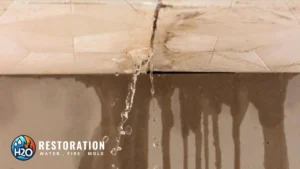


Sewage cleanup is a critical service that addresses the urgent need for sanitation and health safety in the aftermath of sewage backups. This article will provide essential insights into the nature of sewage, particularly black water, and the health risks associated with it. Additionally, we will explore the emergency sewage removal process, best practices for sanitation, and how to navigate insurance claims for sewage damage. Understanding these aspects is vital for homeowners and businesses alike, as sewage issues can lead to significant health hazards and property damage. We will also highlight the services offered by H2O Restoration, a leading provider in Cincinnati and Northern Kentucky, specializing in emergency water damage services, including sewage cleanup and sanitation.
Black water is a term used to describe wastewater that contains harmful pathogens and contaminants, typically resulting from sewage backups. This type of water poses significant health risks due to its potential to harbor bacteria, viruses, and other harmful microorganisms. Understanding the sources and dangers of black water is crucial for effective sewage cleanup and sanitation.
Black water contamination can arise from various sources, including toilet overflows, sewage backups, and flooding from contaminated water bodies. The presence of organic matter, chemicals, and pathogens in black water makes it particularly hazardous. Signs of contamination may include foul odors, discoloration, and visible waste. Prompt action is essential to mitigate health risks and prevent further damage to property.
Exposure to black water can lead to serious health issues, including gastrointestinal infections, respiratory problems, and skin irritations. Pathogens commonly found in sewage, such as E. coli and Salmonella, can cause severe illness if ingested or if they come into contact with open wounds. Understanding these health risks underscores the importance of professional sewage cleanup services to ensure safety and sanitation.
Further research emphasizes the critical need for risk assessment and control measures when dealing with blackwater to mitigate microbiological health risks.
Blackwater Treatment: Microbiological Risk Assessment & Control
The present study therefore aimed to assess the potential microbiological risks to which users of a variant of septic tank (biodigester septic tank, BST) are exposed when using this system for treating blackwater (wastewater from toilets) and to propose control measures using the quantitative microbiological risk assessment (QMRA) methodology. This methodology entailed mapping the routes of exposure and calculating the probabilistic infection risk ofE. coli. The results indicated that there is a microbiological health risk associated with the BST maintenance and usage. It was proposed that the fresh bovine feces addition for system maintenance should be stopped and that the reuse of the effluent for agricultural purposes should be reused via subsurface irrigation. It is therefore vital to exercise caution and implement a risk management strategy in order to ensure the safe dissemination of this technology in Brazil and Latin America.
Risk assessment of a septic tank variant used for the blackwater treatment, AL Tonetti, 2025
Emergency sewage removal involves a systematic approach to mitigate damage and restore safety in affected areas. The process typically begins with a thorough assessment of the damage, followed by containment procedures to prevent further contamination. Disinfection methods are then employed to sanitize the area effectively.
The raw sewage cleanup process consists of several critical steps:
This structured approach minimizes health risks and property damage, making it essential for effective sewage management.
Effective water extraction is crucial in minimizing property damage during sewage cleanup. Techniques such as submersible pumps and industrial vacuums are employed to remove standing water quickly. The importance of rapid extraction cannot be overstated, as it helps prevent structural damage and mold growth, which can complicate the cleanup process.
After sewage cleanup, implementing best practices for sanitation is vital to ensure long-term safety and prevent health hazards. This includes thorough cleaning, disinfection, and moisture control to inhibit mold growth.
Sanitation services play a crucial role in the aftermath of sewage cleanup. Professional mold remediation is essential to identify and eliminate mold growth, which can pose serious health risks. Strategies may include mold inspection, containment, and the use of specialized cleaning agents to ensure a safe environment.
To prevent mold growth, it is important to control humidity levels, conduct regular inspections, and improve ventilation in affected areas. These proactive measures can significantly reduce the risk of mold-related health issues and ensure the long-term safety of the property.
Navigating insurance claims for sewage damage can be complex, but understanding the process can help homeowners and businesses secure the necessary coverage for repairs and cleanup.
Coverage for sewage cleanup can vary based on individual insurance policies. Many homeowners’ insurance policies may cover sewage backup, but it is essential to review the specific terms and conditions. Add-on coverage options may also be available to enhance protection against sewage-related incidents.
In Cincinnati, specific programs exist to address sewage backup cleanup and claims, offering a structured approach for affected residents.
Cincinnati Sewage Backup Cleanup & Claims Program
Many customers of the Metropolitan Sewer District of Greater Cincinnati (MSDGC) have experienced basement backup due to surcharging of the sanitary and combined sewer systems. As part of the Consent Decree that MSDGC signed with the USEPA in 2003, a Water in Basement Program was developed. The Program has three components; these are the Basement Cleanup, the Claims Process and the Water in Basement Prevention Program.
Protecting Homes from Sewage Backup-Metropolitan Sewer District of Greater Cincinnati’s Water in Basement Prevention Program, 2007
To maximize your sewage damage claim, it is important to document all damage thoroughly, including photographs and receipts for cleanup services. Understanding your policy and working with professionals can also streamline the claims process, ensuring you receive the compensation needed for repairs.
The financial implications of sewer backups can be substantial, highlighting the importance of a well-managed claims process.
Economic Impact of Sewer Backup Damage Claims
The dataset used in this project contains sewer backups that caused a total of $8 million damage
An Econometric Analysis of Paid Sewer Backup Damage Claims In Seattle, 2013
Businesses in Greater Cincinnati face unique challenges when dealing with sewage cleanup. Specialized services are available to address these needs effectively.
Commercial sewage cleanup services are tailored to meet the specific requirements of businesses, including rapid response times and specialized equipment. These services ensure that businesses can resume operations quickly and safely after a sewage incident.
Many commercial sewage cleanup providers offer 24/7 emergency response services, ensuring that businesses can receive immediate assistance when needed. This availability is crucial for minimizing downtime and protecting the health of employees and customers.
Timeliness is critical in sewage cleanup to prevent further damage and health risks. Understanding recommended timelines and safety considerations can help homeowners make informed decisions during a sewage emergency.
Effective sewage cleanup should ideally begin within 24-48 hours of the incident to minimize damage and health risks. Factors influencing cleanup duration include the extent of the damage, the type of sewage involved, and the resources available for remediation.
During sewage cleanup, safety is paramount. Homeowners should assess the health risks associated with sewage exposure and consider temporary relocation if necessary. Precautions, such as wearing protective gear and ensuring proper ventilation, can help mitigate risks while cleanup is underway.
If you have questions or need to schedule an immediate response, contact us today for assistance.
To learn more about our company and our commitment to quality, please visit our about us page.