
Residential Water Damage vs. Commercial Restoration Services
March 19, 2026
Meta Description: "Water damage restoration is crucial for homes and businesses. Learn effective strategies to mitigate damage and restore property…
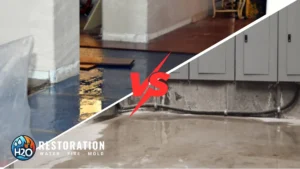

Water damage affects many Cincinnati homes and businesses and can be costly. This guide explains clean, gray, and black water, why prompt emergency water removal matters, a basic mold remediation process, and typical repair cost ranges so you can act quickly and protect your property.
Water damage generally falls into three categories: clean, gray, and black. Each requiring a different cleanup and safety approach.
Clean water comes from broken pipes, rain, or a faucet and is lowest risk. Gray water from dishwashers, washers, or sinks can carry contaminants and needs more care. Black water, from sewage backups or severe flooding, is hazardous and requires professional handling. Identifying the type guides safe cleanup.
Local efforts in Cincinnati have been set up to tackle sewage backups and help protect homes and basements.
Cincinnati Sewage Backup Prevention & Basement Cleanup
Many customers of the Metropolitan Sewer District of Greater Cincinnati (MSDGC) have had basement backups because the sanitary and combined sewer systems became surcharged. That was caused by excessive infiltration and inflow entering the sanitary sewer system and a lack of capacity in the combined sewer system. As part of the Consent Decree MSDGC signed with the USEPA in 2003, they developed a Water in Basement Program. The Program has three components: Basement Cleanup, the Claims Process, and the Water in Basement Prevention Program (WIBPP). The WIBPP aimed to isolate affected homes from the sanitary and combined sewer system. The criteria for inclusion were sewage backups from surcharging of the public sewer system.“Possible solutions include installing backflow valves and following guidance from the Metropolitan Sewer District of Greater Cincinnati’s ‘Protecting Homes from Sewage Backup: Water in Basement Prevention Program’ (2003).
Basements, bathrooms, and kitchens are most at risk because of plumbing and moisture. Regular maintenance, cleared drains, and grading the yard away from the foundation reduce risk.
Removing water quickly limits structural weakening, mold growth, and bacterial issues. Fast extraction reduces repair scope and health risks.
Contact emergency services as soon as possible ideally within 24 hours. Delay allows damage and costs to increase.
Technicians remove standing water with pumps, then use air movers and dehumidifiers to dry materials and monitor moisture until safe. Professionals verify dryness to prevent mold and structural problems. H2O Restoration offers fast emergency response focused on protecting your property.
Mold can establish within days in damp conditions. Remediation stops spread, removes contaminated materials, and restores safe environments.
Persistent moisture and high humidity let mold spores grow. If wet areas aren’t dried within 24–48 hours, remediation may be needed. Identifying and fixing the moisture source is essential.
Effective remediation includes assessing affected areas, containing the space, removing contaminated materials, thorough cleaning and drying, and verification testing. Use professionals for larger or hard-to-reach infestations.
Repair costs vary with severity, materials affected, and chosen restoration methods; local market rates also influence pricing.
Costs reflect damage severity, materials, and restoration techniques. Minor clean-water jobs are typically less expensive; gray or black water and extensive damage raise costs significantly.
Insurance may cover restoration, but policies differ. Check limits, deductibles, exclusions, and claims procedures before work begins to understand coverage.
This table highlights typical cost ranges and why quick action and professional help often reduce long-term expense.
To sum up, recognizing water types, acting quickly on emergency removal, and addressing mold promptly protect your property. If you need help, H2O Restoration provides emergency water removal, mold remediation, and full restoration services. To get in touch, visit our contact us page and to learn more about our team and mission, see about us.
Regularly inspect plumbing, keep gutters and downspouts clear, and ensure proper grading. Install a sump pump and consider leak detectors. Maintain appliances to prevent failures.
Watch for discoloration, peeling paint, musty odors, visible mold, or higher humidity. Check basements, ceilings, and window edges for stains and investigate promptly.
Stop the moisture source, contain the area to limit spread, and consider professional remediation for large or persistent growth. Wear protective gear when handling moldy materials.
Yes. Cincinnati has guidelines for sewage backups and mold; the Metropolitan Sewer District of Greater Cincinnati (MSDGC) runs programs to assist homeowners. Check local requirements and permits before major work.
Choose licensed, insured local professionals with emergency response, water extraction, and mold remediation experience. Read reviews, request references, and get a written estimate before work begins.
Untreated water damage can cause structural problems, foundation weakening, increased mold, health risks, lower property value, and faster material decay. Timely repair prevents escalation.
Understanding common water damage issues in Cincinnati helps you prevent and respond more effectively. Know the water types, call for fast emergency removal, and address mold promptly to protect health and investment. For professional restoration help, consider contacting H2O Restoration.


