
Water Damage Restoration in Hyde Park
July 14, 2026
H2O Restoration provides expert solutions for water damage in Hyde Park. Trust their professional team to restore your property efficiently…
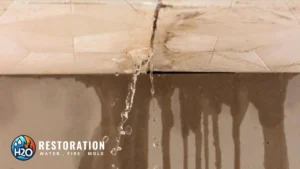


Water damage can be a homeowner’s worst nightmare, leading to costly repairs and potential health risks. Understanding the different types of water damage is crucial for effective prevention and remediation. This guide will help you identify the various categories of water damage, their sources, and the steps you can take to protect your property. By recognizing the signs of water damage early, you can mitigate its effects and ensure a safe environment for your family or business. We will explore the categories of water damage, how to recognize them, and the importance of timely action. Additionally, we will discuss how H2O Restoration can assist you in emergency water damage cleanup and commercial water damage solutions.
Indeed, the pervasive nature of water damage, from various sources, underscores the critical need for comprehensive restoration and remediation strategies to protect properties and health.
Water Damage Restoration & Remediation for UK Properties
The following subsections explore the common sources of water damage in UK properties, including leaks from plumbing systems, burst pipes, overflowing appliances, roof leaks, and rising damp. These issues can lead to extensive structural damage, mould growth, and compromised indoor air quality. Understanding these sources is crucial for effective prevention and timely intervention. Water damage in the UK, posing significant risks to both residential and commercial properties, necessitates a comprehensive approach to restoration and remediation to mitigate long-term consequences and ensure a safe environment.
Water damage restoration, structural drying and remediation of damp issues in UK properties: A comprehensive review, 2024
Water damage can be classified into several categories, each with distinct characteristics and implications for property owners. Identifying these types is essential for determining the appropriate response and remediation strategies. The three primary categories of water damage are clean water, gray water, and black water. Understanding these categories helps homeowners and businesses take proactive measures to protect their properties and health.
Water damage is categorized based on the source and contamination level of the water involved. Each category presents unique challenges and requires specific remediation approaches.
Clean water damage originates from sources such as broken pipes, overflowing sinks, or rainwater. This type of water is free from contaminants and poses minimal health risks. However, if left untreated, clean water can lead to mold growth and structural damage. Remediation typically involves drying the affected area and repairing any leaks to prevent future incidents.
Gray water comes from sources like washing machines, dishwashers, or sinks. While it is not considered sewage, it may contain some contaminants that can pose health risks if ingested. Common sources of gray water include dishwater and laundry water. Remediation for gray water damage involves thorough cleaning and sanitization of the affected areas, along with addressing the source of the water.
Black water is the most hazardous type of water damage, originating from sewage backups, flooding, or other sources of contamination. This water contains harmful bacteria, viruses, and other pathogens that can pose serious health risks. Immediate professional intervention is necessary for black water damage, as it requires specialized equipment and techniques for safe removal and cleanup.
Identifying water damage early can save homeowners and businesses from extensive repairs and health issues. Common signs of water damage include:
Recognizing these signs promptly allows for quicker action, reducing the potential for further damage.
Preventing water damage is essential for maintaining the integrity of your property. Here are some proactive measures you can take:
For those facing immediate water damage issues, H2O Restoration offers emergency water damage cleanup services to help mitigate damage and restore your property quickly.
Understanding the main types of water damage is crucial for effective property management. The three categories—clean, gray, and black water. Each require different approaches for identification and remediation. Clean water is the least harmful, while black water poses significant health risks. Recognizing these types can help you respond appropriately and protect your property.
Recognizing the differences between clean, gray, and black water damage is essential for effective remediation. Clean water damage is often associated with plumbing issues, while gray water may come from household appliances. Black water, on the other hand, is linked to sewage and requires immediate professional intervention. Understanding these distinctions can guide your response and help you seek the right assistance.
Knowing the categories of water damage is vital for several reasons. It helps property owners understand the potential risks associated with each type, informs them about the necessary remediation steps, and guides them in seeking professional help when needed. By being aware of these categories, you can take proactive measures to protect your property and health.
Common signs of water damage include:
Identifying these symptoms early can help you address water damage before it escalates.
Spotting water damage requires vigilance and attention to detail. Look for:
Regular inspections and awareness of these signs can help you catch water damage early.
A water damage inspection checklist can help you systematically assess your property for potential issues. Key items to include are:
This checklist can guide you in identifying water damage and taking appropriate action.
If you discover water damage, take immediate action:
Taking these steps can help minimize damage and facilitate the restoration process.
In the event of water damage, consider these emergency steps:
These actions can significantly reduce the extent of the damage.
If water damage is extensive or involves black water, it’s crucial to call professional restoration services immediately. Signs that you need professional help include:
For expert assistance and to learn more about H2O Restoration, visit our website today. We specialize in emergency water damage cleanup and can provide the expertise needed to restore your property safely.
Professional water damage restoration services offer several benefits:
By enlisting the help of experts, you can ensure a thorough and efficient restoration process.
H2O Restoration provides a range of commercial water damage solutions, including:
These services are designed to help businesses recover quickly from water damage incidents.
The importance of such services is highlighted by the significant financial and operational impacts that flood and water damage can have on commercial properties.
Flood Damage & Business Recovery Strategies
losses associated with clean-up costs, disrupted living conditions, and lost business opportunities. Instead, this DSRV based data should be considered to represent a generalized estimate of the direct physical damage to commercial property structures, excluding indirect losses. Understanding the extent and nature of such damage is vital for effective risk management and recovery strategies for businesses in flood-prone areas.
The extent and nature of potential flood damage to commercial property structures in the Midwestern United States, S Shultz, 2017
Mold remediation and water extraction are critical components of the water damage restoration process. Water extraction removes standing water, preventing further damage and mold growth. Mold remediation addresses existing mold issues, ensuring a safe environment. Together, these services help restore properties to their pre-damage condition and protect occupants’ health.