
Mitigation vs Reconstruction: What You Need to Know
March 19, 2026
Understand the key differences between mitigation and reconstruction with our professional guide. Enhance project outcomes and make informed decisions today.

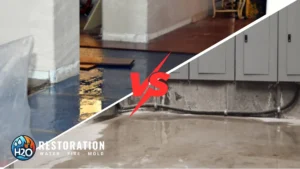

Water damage can be a homeowner’s worst nightmare, causing costly repairs and health risks. Recognizing common signs helps you act before problems escalate. Below we summarize warning signs, why fast response matters, and immediate steps to take. Professional help from H2O Restoration can streamline recovery.
Spotting water damage early saves money and reduces health risks. Look for visible stains, mold, and musty odors on ceilings, walls, or floors—these usually indicate a leak or moisture problem.
H2O Restoration specializes in residential water damage restoration and offers emergency extraction and mold cleanup to return your home to a safe condition.
Visible water damage commonly appears as stains or material changes. Watch for:
Early detection limits repair scope and cost.
Some damage is concealed. Be alert for subtle indicators:
Ignoring hidden signs can lead to structural problems and higher repair bills.
Call professionals right away when you see conditions that pose ongoing risk, including:
Prompt extraction and drying reduce damage and health hazards.
Take these immediate actions to limit harm:
These steps help containment and speed up professional recovery.
Fast action limits mold, structural deterioration, and overall costs. Key benefits include:
Speed protects both your home and your family’s health.
Mold spreads quickly in damp conditions and can harm indoor air quality. Since growth can start within 24–48 hours, finding and drying wet areas fast is essential.
Research highlights the health risks of mold in damp environments and supports rapid intervention to prevent significant growth.
Water Damage Health Hazards & Mold Remediation
Workers, first-responders, homeowners, and volunteers who handle moldy indoor spaces after storms and flooding face growing health concerns. Damp building materials especially those with cellulose are prone to fungal and bacterial growth. Experts recommend dealing with moisture or water intrusion quickly, since significant mold growth can occur within 48 h.
… health hazards and prevention measures for response and recovery workers and volunteers after natural disasters, flooding, and water damage: mold and dampness, E Johanning, 2014. For more information, see the publication available at CDC NIOSH Publication 2014-102.
Damp materials create ideal conditions for mold, which can trigger respiratory issues and allergic reactions. Common health concerns include:
Because of these risks, address mold quickly and consult professionals when needed.
Effective remediation follows a clear process:
If you suspect structural damage from mold, have a qualified professional assess the building, check how much water entered, how long it sat, and which materials were affected.
Water Intrusion: Mold Damage & Professional Restoration
If you suspect that mold has damaged building integrity, you should consult with a qualified professional to assess the extent of the damage and develop a remediation plan. Restorers post-water intrusion should estimate the amount of water that has entered the building, the duration of the intrusion, and the types of materials affected.
Water Intrusion: An Analysis of Water Sources, Categories, and the Degradation Science of Building Materials, 2024
These steps help restore your home to a safe, dry condition.
Restoration returns your home to its pre-damage state through a sequence of controlled steps:
Professional restoration reduces ongoing risks and addresses hidden moisture.
Residential Water Damage Restoration & Risks
Water damage restoration, structural drying and remediation of damp issues in UK properties: A comprehensive review. Water damage is a pervasive problem in the UK, posing significant risks to both residential and commercial properties.
Water damage restoration, structural drying and remediation of damp issues in UK properties: A comprehensive review, 2024.
Understanding the main restoration stages helps you set expectations.
Timelines depend on severity and conditions. Restoration can take a few days to several weeks, influenced by:
These factors shape realistic timelines for repair and cleanup.
Repair costs vary; common drivers include:
Knowing these cost drivers helps you budget for restoration work.
If you need professional assistance, consider contacting H2O Restoration via the contact us page.
To learn more about us and our approach, visit our website.
Long-term moisture can weaken walls, floors, and foundations and encourage mold growth. This may cause breathing problems, allergies, and reduced energy efficiency. Prompt repair reduces these long-term risks.
Regular upkeep helps prevent many issues: keep roofs, gutters, and downspouts clear; consider a sump pump in basements; inspect plumbing and appliances for leaks; use water leak detectors; and grade soil away from the foundation.
Check basements, attics, and behind appliances for discoloration, mold, or musty smells. If you find signs, call a professional restoration service for a full inspection with moisture-detection tools.
For small, contained incidents you can dry areas, clean surfaces, and use fans. For major flooding, mold, or structural issues, hire professionals with proper equipment and training.
Review your policy to confirm coverage. Many policies cover sudden water damage but exclude long-term leaks or flood events. Document damage with photos, keep repair records, and talk with your agent about coverage and flood insurance.
Call professionals if you see visible mold, have a persistent musty odor, or household members develop respiratory symptoms. If mold covers more than a small area or keeps returning, seek professional remediation to find and fix the moisture source.
Spotting water damage early protects your home and health. Quick, informed action limits repairs and reduces mold risk. Working with professionals like H2O Restoration helps ensure safe, thorough restoration. If you need expert help, reach out today.