
Storm Water Cleanup Cost – Secure Your Home Assets
June 12, 2026
Understanding Storm Water Cleanup Cost After Sudden Property Flooding Waking up to the sound of rushing water downstairs can instantly…
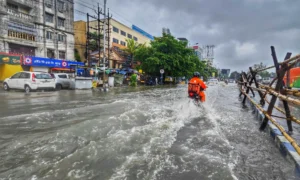
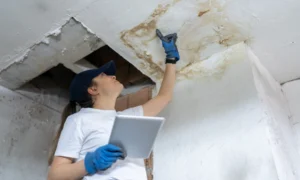



Imagine walking downstairs at midnight and discovering your basement has turned into an indoor swimming pool. This kind of disaster can happen suddenly, whether from a burst pipe, appliance failure, heavy rainfall, or storm surge. In those first moments, panic sets in quickly—not just about the damage to your home, but about the financial burden that follows. The most immediate concern for many homeowners is understanding the final structural drying fee before agreeing to any restoration service.
Water emergencies are stressful because they combine urgency, uncertainty, and cost all at once. Without a clear understanding of how pricing works, homeowners often feel overwhelmed when they receive the final bill. Learning what drives the structural drying fee helps you stay informed, reduce confusion, and make better decisions during a crisis.
Property emergencies never happen on a convenient schedule. A pipe can burst at night, a washing machine hose can fail while you’re away, or heavy storms can overwhelm drainage systems within minutes. When a restoration team arrives, their first priority is to stop the source of water and prevent further structural damage.
Once the immediate threat is controlled, the technical drying process begins. Behind the scenes, technicians deploy equipment such as air movers, dehumidifiers, and moisture detection tools. Every piece of equipment used, along with every hour of labor, contributes directly to your final structural drying fee.
Because these services are time-sensitive and labor-intensive, homeowners who are unfamiliar with the process often experience “sticker shock” when they see the final invoice. Understanding how these charges are calculated helps reduce that stress.
Restoration pricing is not random. Most professional mitigation companies rely on standardized estimating systems like Xactimate to ensure pricing reflects local labor rates and material costs. This means your structural drying fee is based on real regional data rather than arbitrary pricing.
One of the biggest cost drivers is how much space has been affected. A small bathroom leak is far less complex than a flooded basement or multi-room water intrusion. As the affected area expands, more equipment, more labor, and more time are required.
Water that spreads behind walls, under flooring, or into insulation significantly increases complexity. In these cases, technicians may need to perform controlled demolition to ensure complete drying.
Drying is one of the longest phases in restoration. Industrial equipment often runs continuously for several days to stabilize moisture levels and prevent mold growth.
Each day that equipment remains active adds to your structural drying fee, including:
Technicians take regular readings to ensure the drying process is progressing correctly. Equipment is only removed once moisture levels return to safe standards.
Not all water damage is the same. Professionals classify water into three categories:
As contamination levels increase, so do safety requirements. Category 3 situations require protective equipment, antimicrobial treatments, and disposal of contaminated materials. These procedures significantly increase your structural drying fee due to added labor and safety protocols.
Insurance plays a major role in managing water damage expenses, but coverage varies widely depending on your policy. Many homeowners assume all water damage is fully covered, but deductibles, exclusions, and limitations can create unexpected out-of-pocket costs.
To avoid complications, documentation is essential from the very beginning. Homeowners should:
These records help validate your structural drying fee and support your insurance claim. The more detailed your documentation, the smoother the claims process tends to be.
Selecting the right restoration company is one of the most important decisions you can make during a water emergency. Hiring unqualified or uninsured contractors can lead to incomplete drying, hidden fees, or long-term structural issues like mold growth.
Reputable professionals are often certified by the Institute of Inspection, Cleaning and Restoration Certification (IICRC). These certifications ensure technicians follow industry standards for safety, drying procedures, and documentation.
Certified restoration teams typically provide:
Working with certified professionals ensures your structural drying fee is fair, documented, and aligned with actual work performed.
While emergencies cannot always be avoided, many can be prevented with consistent maintenance. Small issues often lead to major damage if left unresolved.
Homeowners should regularly:
These preventive steps reduce the likelihood of major water intrusion and help you avoid future restoration costs altogether. Proactive maintenance is often far less expensive than any emergency structural drying service.
Water damage restoration requires both fast action and financial awareness. Understanding how your structural drying fee is calculated gives you confidence during a stressful situation. From equipment usage and contamination levels to insurance documentation and contractor selection, every factor plays a role in your final cost.
The key is preparation. When you understand the process ahead of time, you are less likely to be overwhelmed during an emergency and more capable of making informed decisions that protect both your home and your finances.
Ultimately, restoration is not just about drying a structure—it is about restoring safety, stability, and peace of mind for your household.


