
WATER DAMAGE
RESIDENTIAL
CATEGORY 1
Upstairs bathroom leak Cincinnati, OH
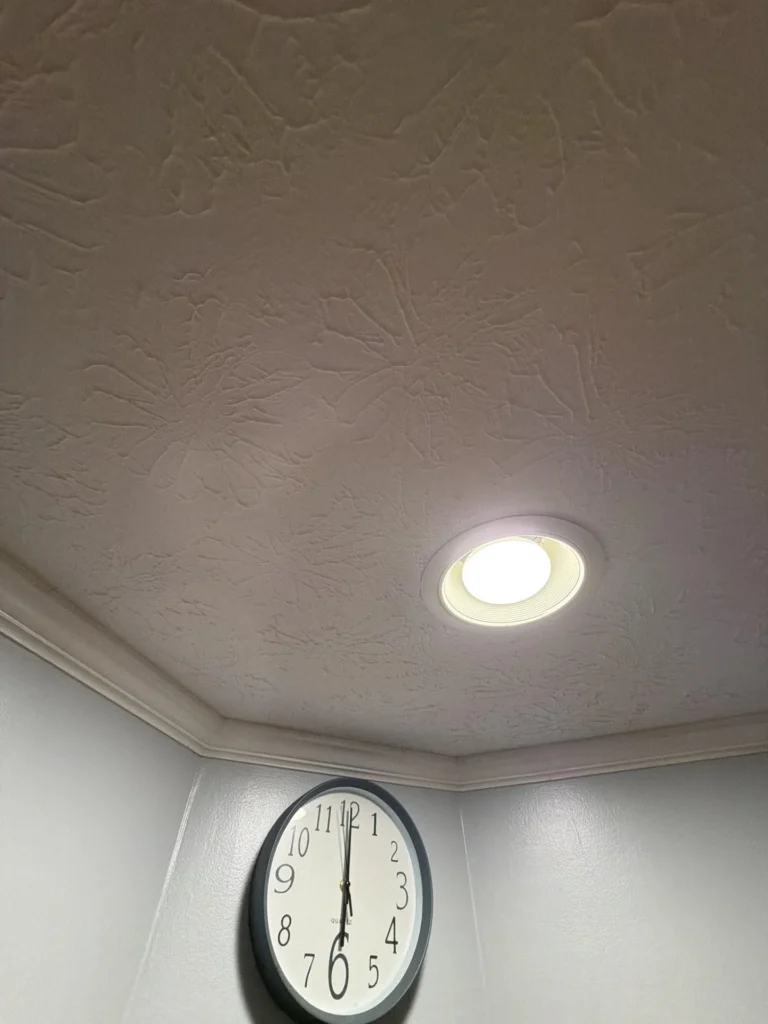
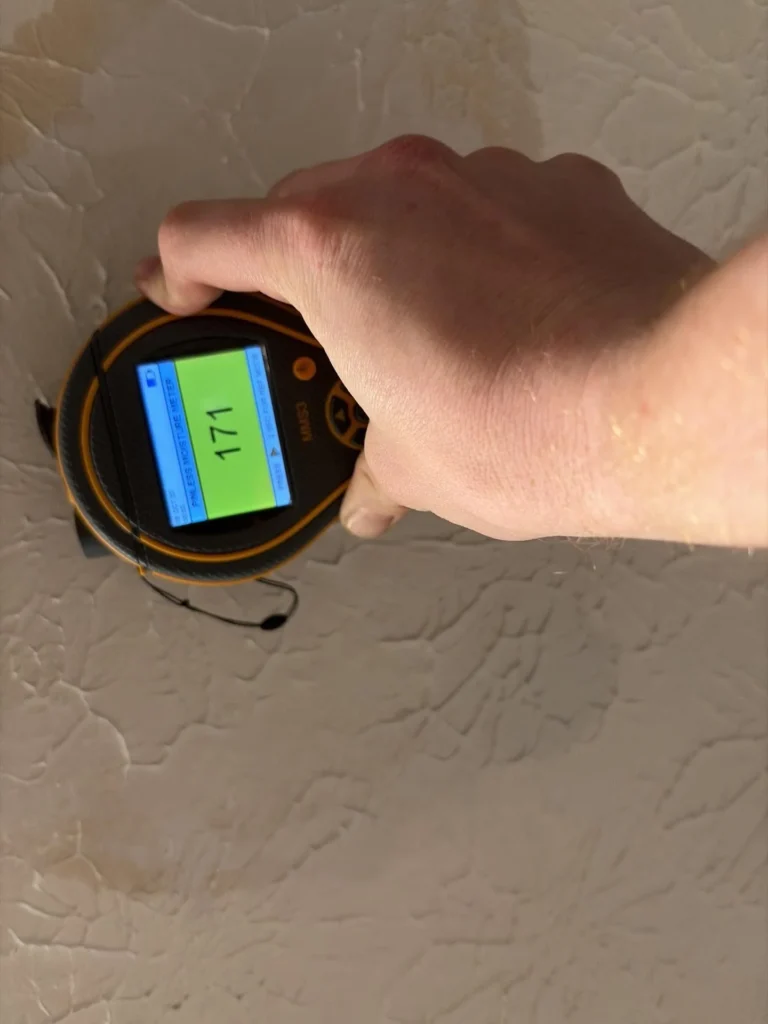
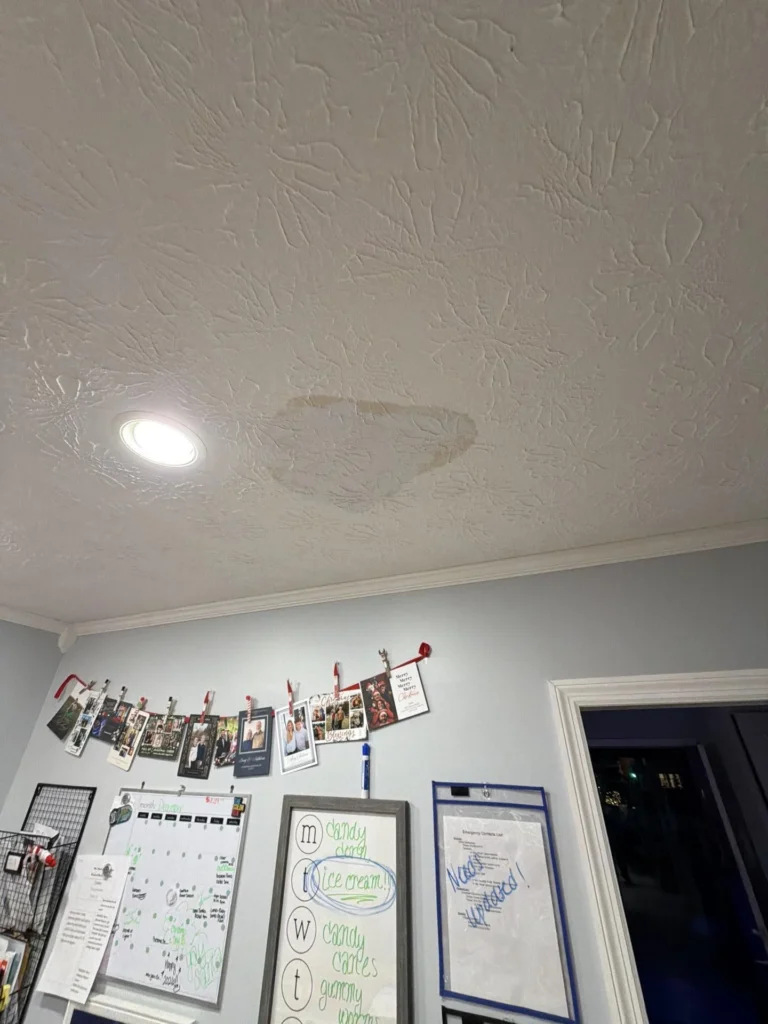
A bathroom leak on the upper floor of this Cincinnati, OH home soaked through the floor assembly and saturated the kitchen and dining room ceiling below — leaving a visible stain, glistening wet drywall across the full span of both rooms, and a moisture reading of 171 on arrival. H2O Restoration deployed a full Injectidry drying system through the ceiling using injection tubing at multiple points, treating the entire floor-ceiling assembly from below without opening the ceiling.
LOCATION
Cincinnati, OH
Total affected area
420 sq ft
CAUSE OF LOSS
Bathroom leak — upper floor
RESPONSE TIME
Within 59 minutes
PROJECT OVERVIEW
WHAT HAPPENED
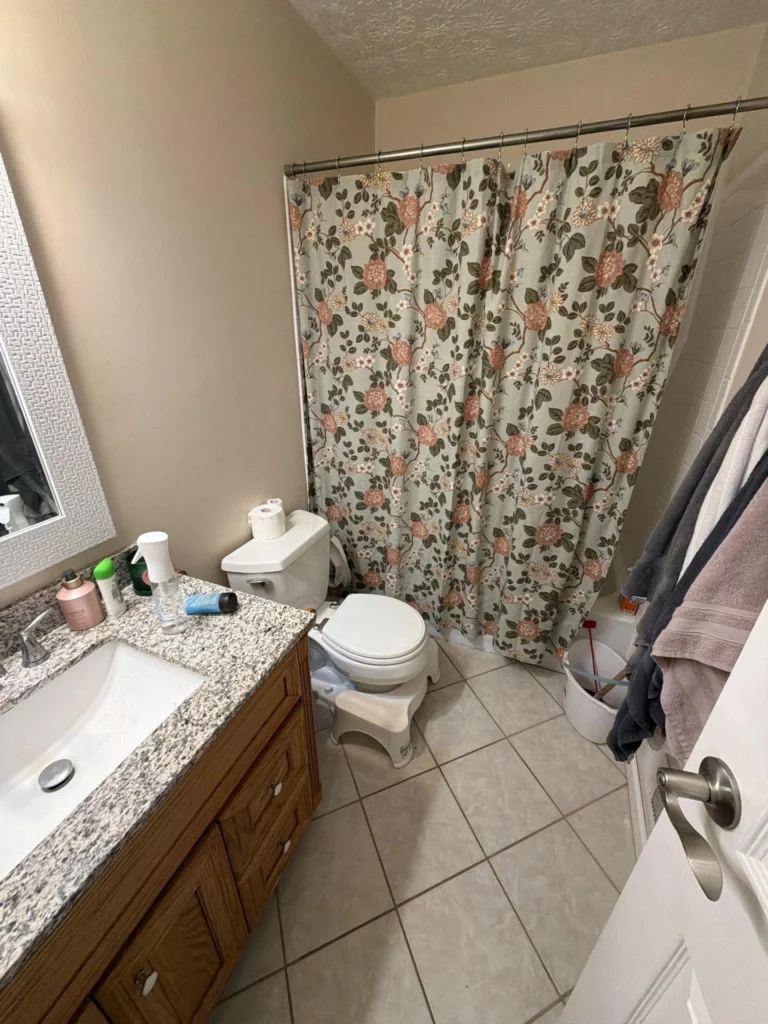
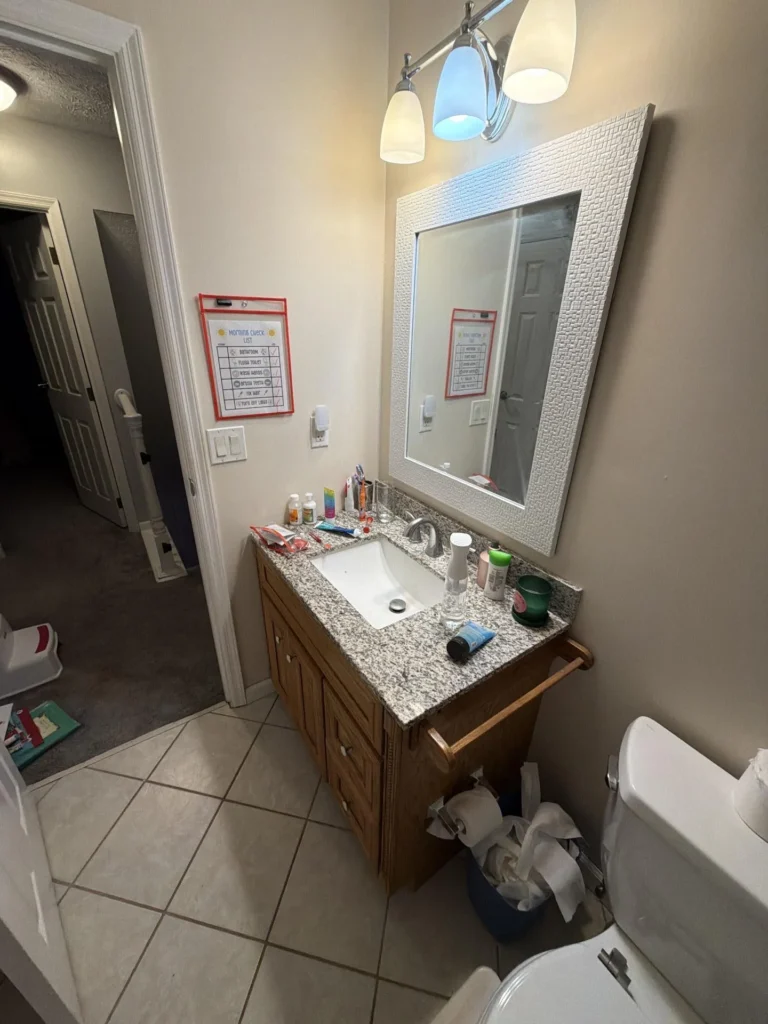
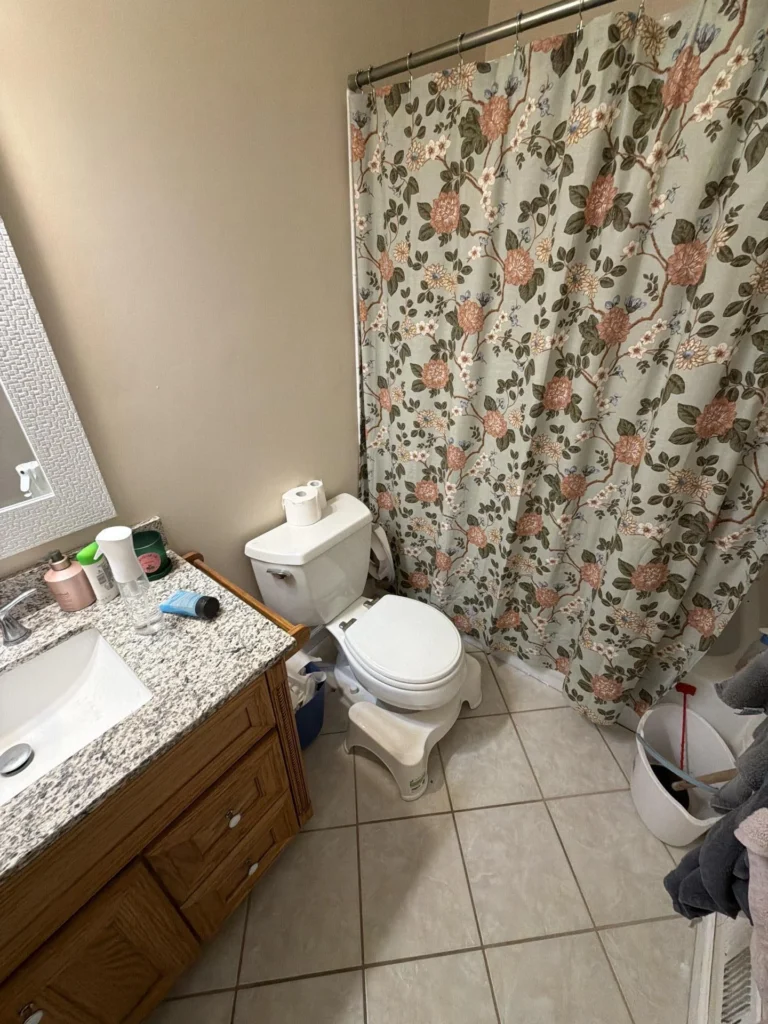
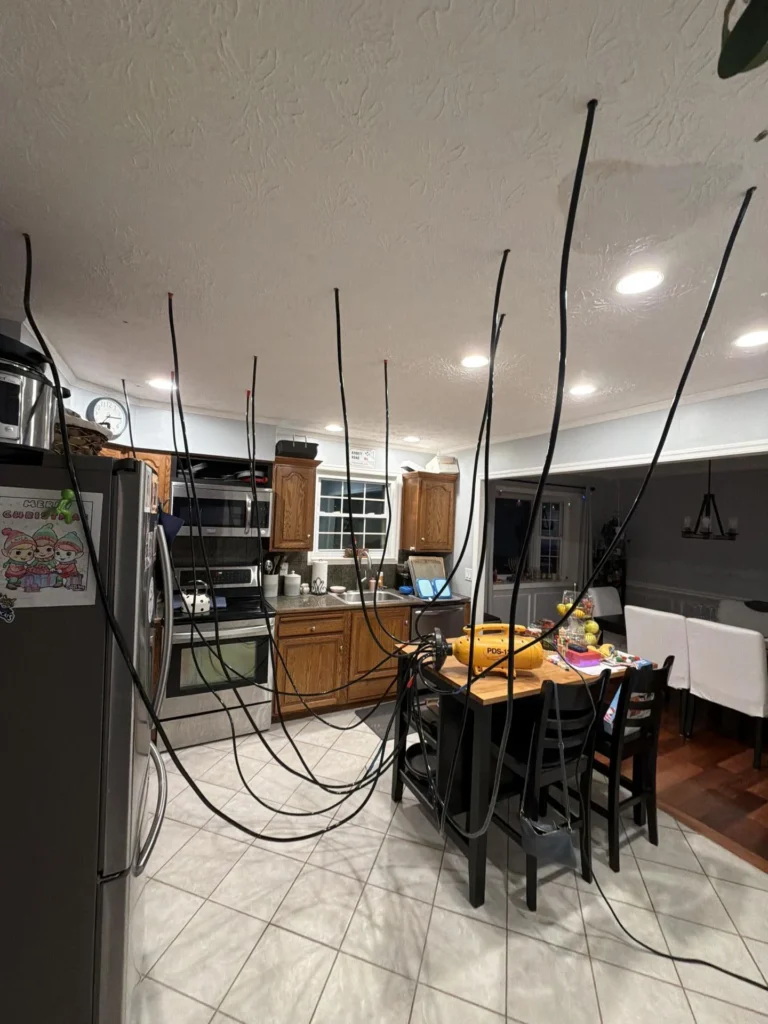
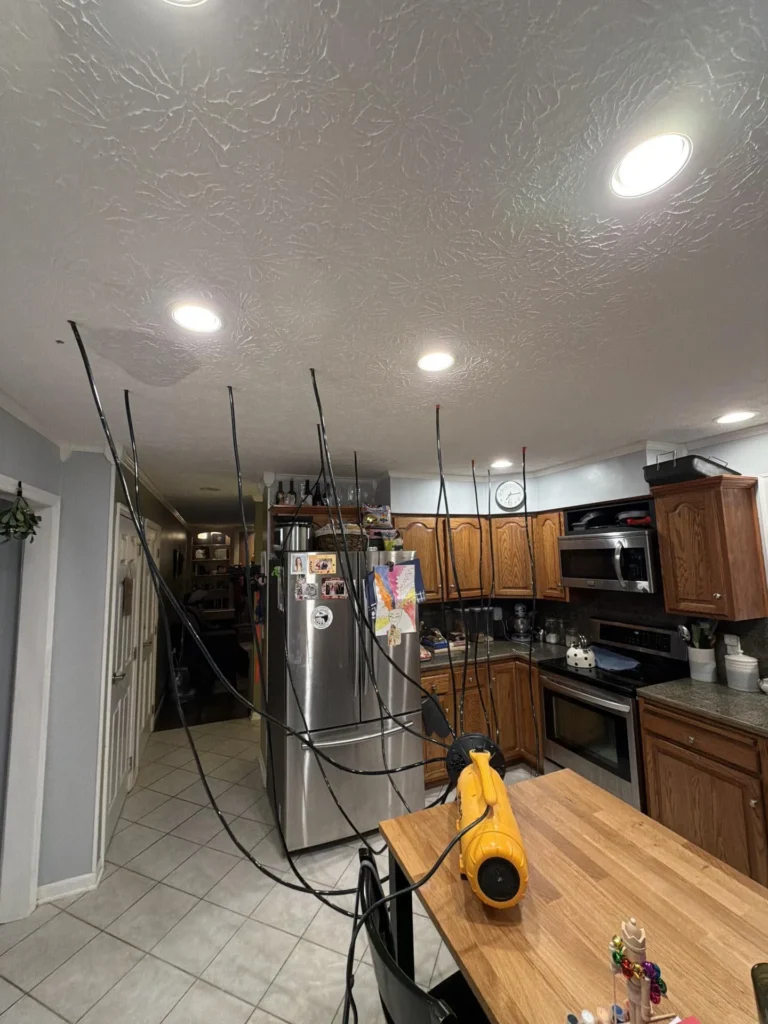
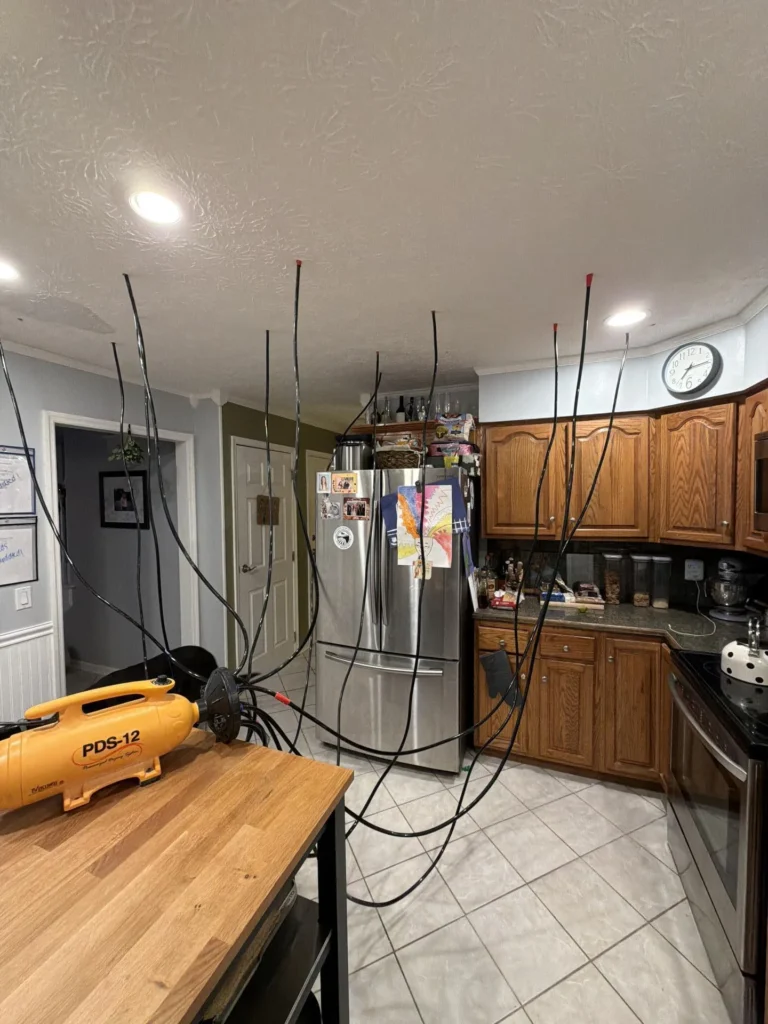
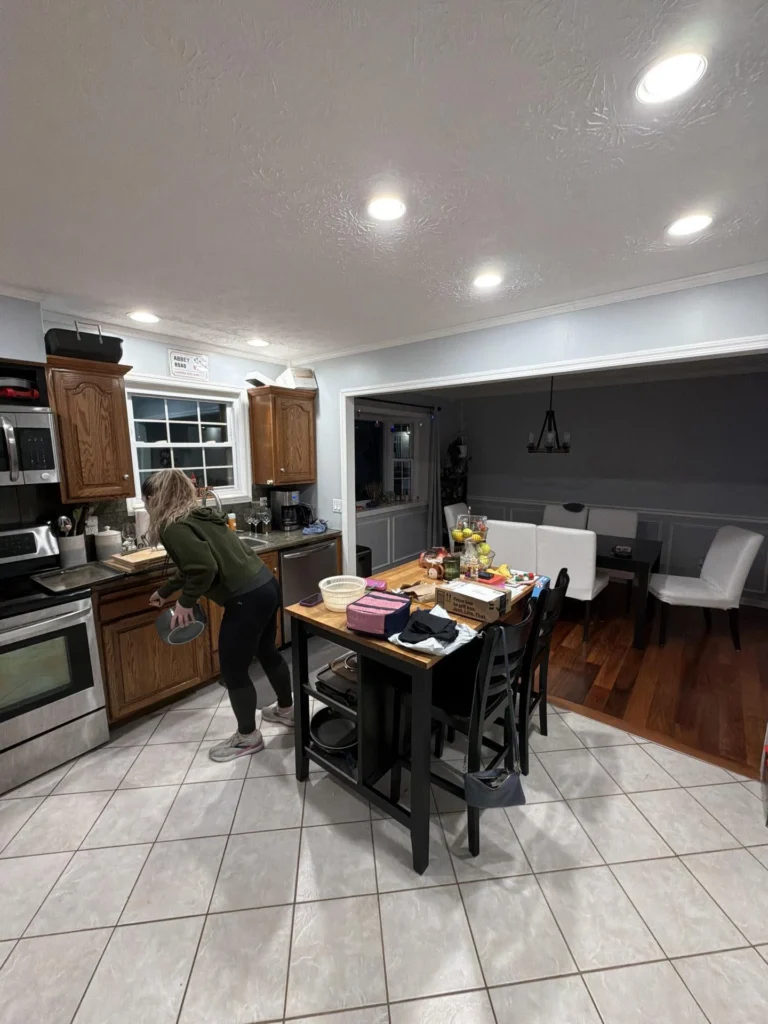
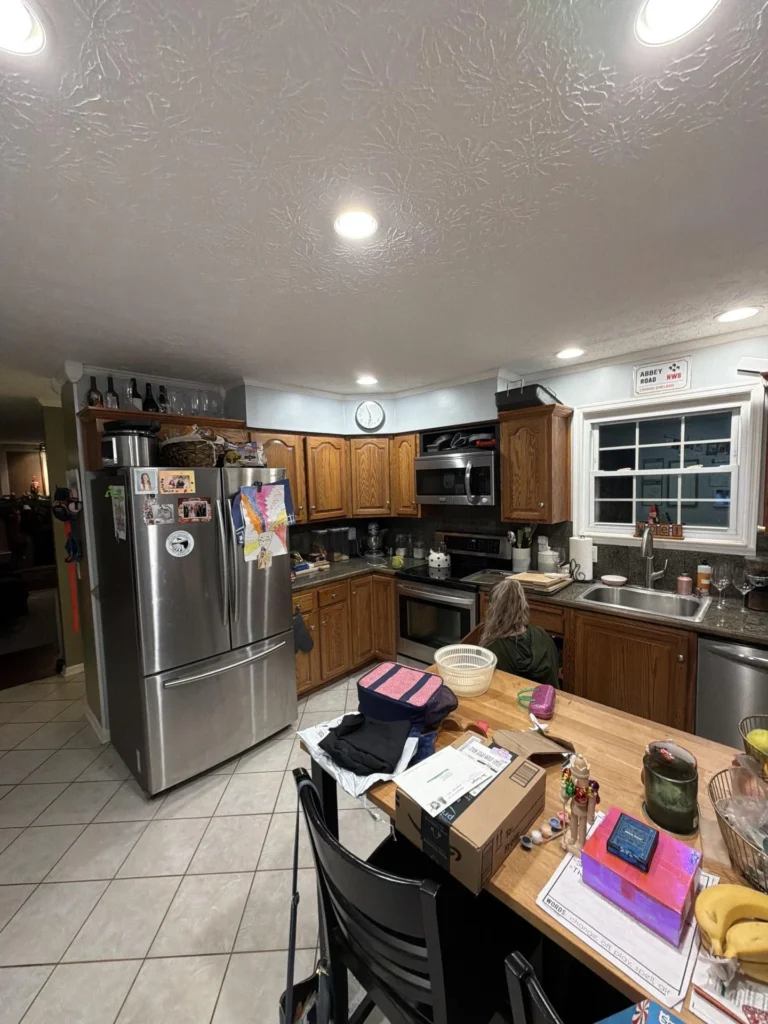
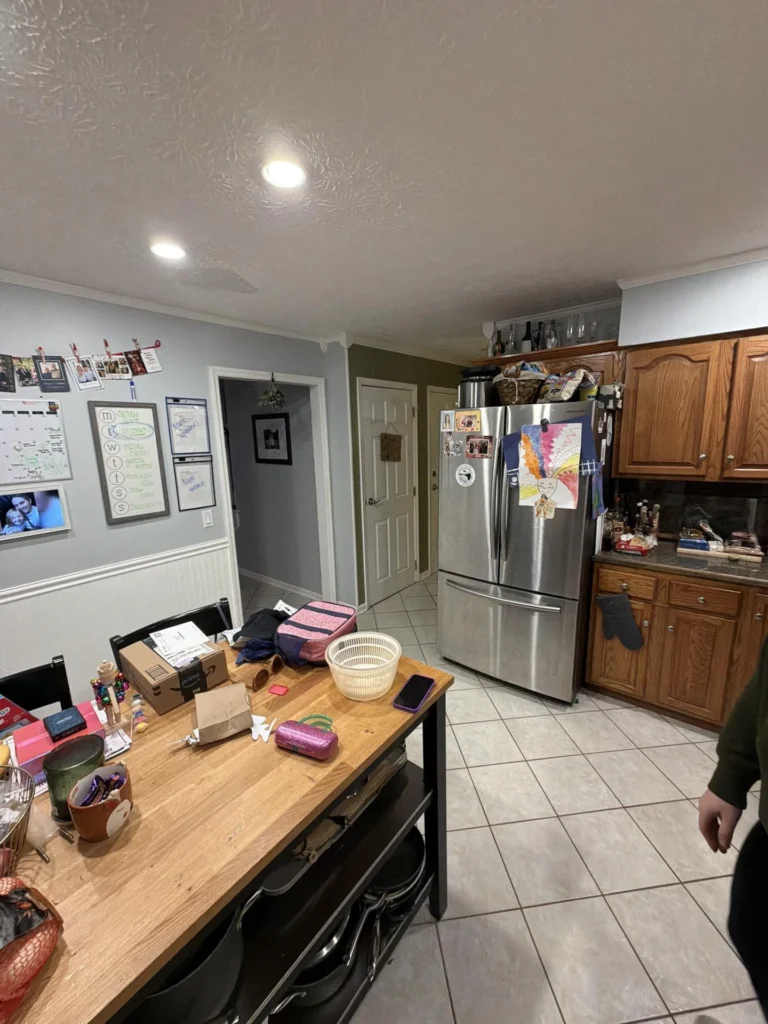
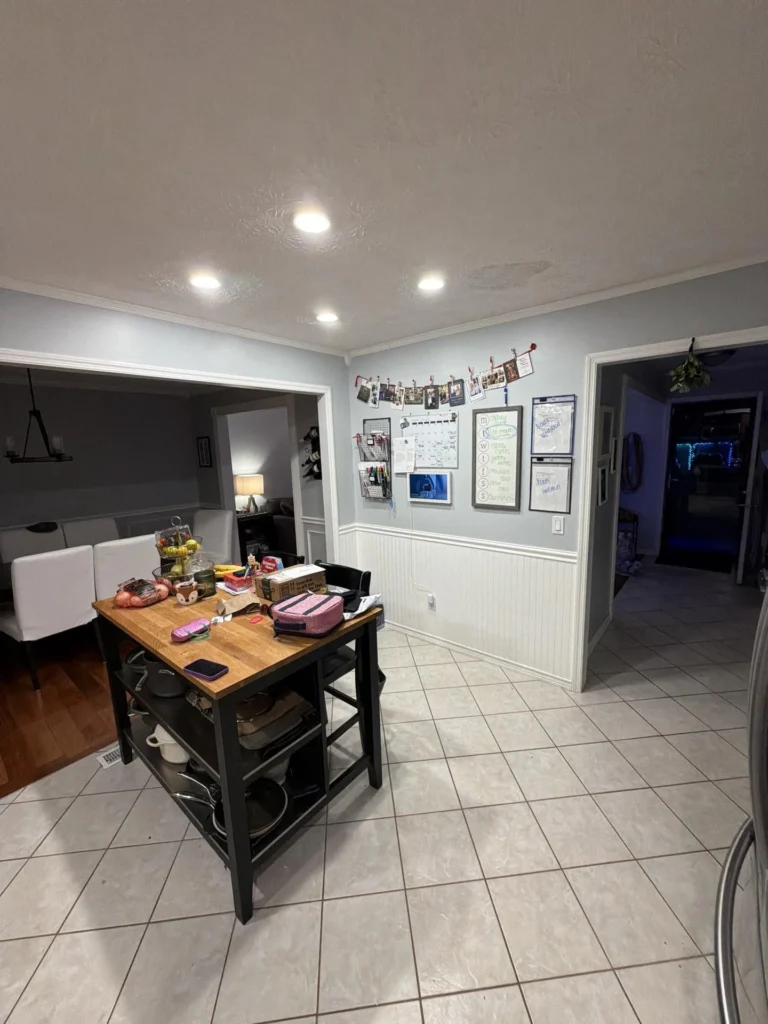
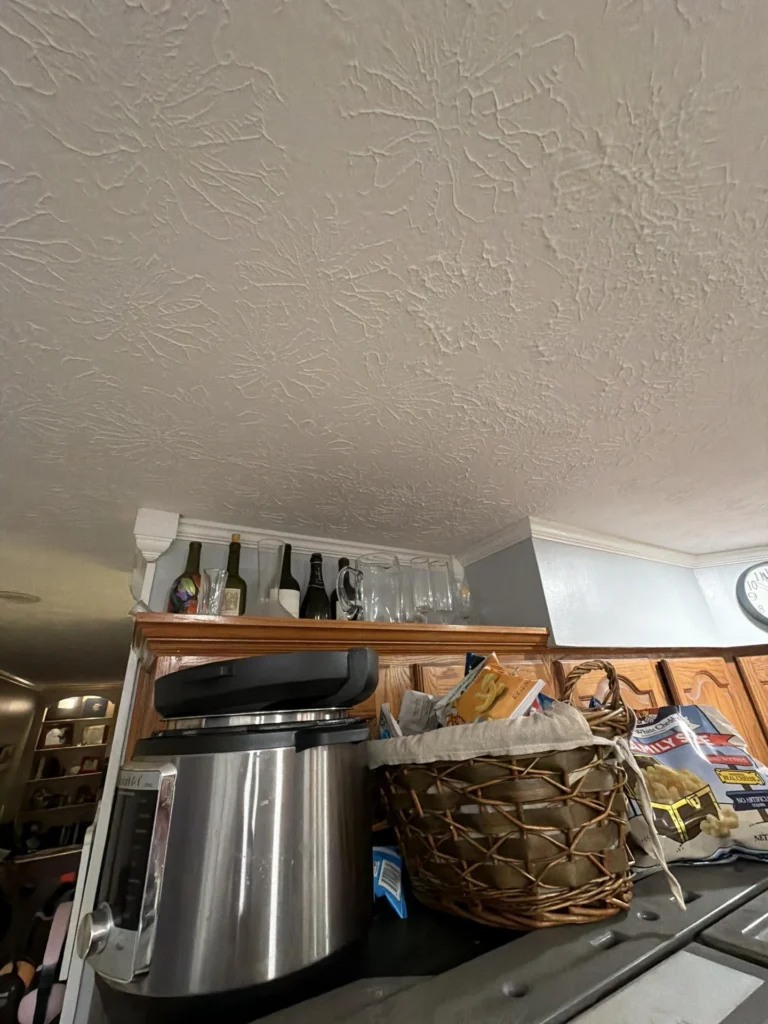
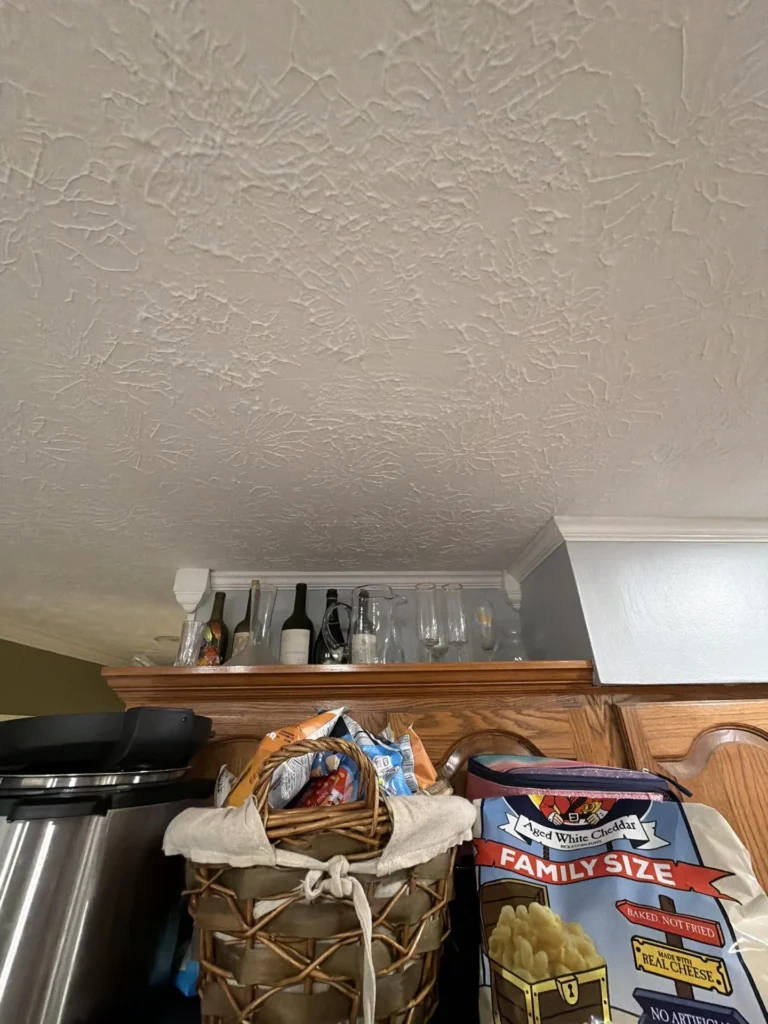
A leak originating in the upstairs bathroom on Stonehill Dr pushed water down through the floor assembly and into the ceiling of the kitchen and dining room below — by the time H2O Restoration arrived, the kitchen ceiling showed a large, visible amber stain near the recessed lighting, the drywall surface was glistening and wet to the touch across a wide area, and moisture had already begun spreading laterally through the ceiling toward the open dining room. The kitchen itself is a fully occupied, active family space — oak cabinetry throughout, a full appliance suite, granite countertops, wine storage above the upper cabinets, and personal items across every surface — all of which were documented and protected before drying work began. Rather than opening the ceiling, H2O Restoration used a PDS-12 Injectidry drying system, drilling small injection ports and running flexible tubing up through the ceiling at more than a dozen points across the kitchen and dining room to push warm, pressurized air directly into the saturated cavity and pull moisture out without any destructive opening of the finished ceiling surface.
The Injectidry approach on this job kept the kitchen ceiling fully intact — no drywall was opened, no repairs to the ceiling were needed after drying. The system injected warm, pressurized airflow directly into the ceiling cavity through small insertion points, drying the saturated assembly from the inside while the family continued using the kitchen throughout the drying period.
JOB DETAILS
- Cause of loss
- Water category
- Spaces affected
- Drying method
- Injection points
- Ceiling stain present
- Contents at risk
- Insurance support
Affected spaces — from floor plans
- Kitchen
- Dining room
- Combined kitchen + dining
- Bath (source)
- Hall (source floor)
- Bath + hall total
- Floor type — kitchen
- Combined total
EQUIPMENT DEPLOYED
Injectidry PDS-12 drying system
Flexible injection tubing (12+ points)
LGR dehumidifiers
Low-profile air movers
Pinless moisture meter (MMS3)
Thermal imaging camera
Thermal hygrometer
JOB SITE IMAGES
A CLOSER LOOK AT THE DAMAGE
Our process
Work completed
1
Assessment — moisture mapped across both ceiling surfaces
H2O Restoration conducted a full pinless moisture scan across the kitchen and dining room ceilings, logging readings at multiple points to establish the extent of saturation and the lateral spread pattern. The visible amber stain near the recessed lighting and the glistening surface across the kitchen ceiling confirmed active, widespread saturation — not a contained drip. The upstairs bathroom and hall floor were also assessed to confirm the source and document the origin for the claim.
2
Contents protection — kitchen cabinetry, appliances, and wine storage documented
The kitchen contained significant personal property — full oak cabinetry, a stainless appliance suite, granite countertops, a wine rack with bottles and stemware stored above the upper cabinets, and personal items across the counters and island. All at-risk contents were documented, photographed, and protected before drying equipment was deployed. Nothing was moved that didn't need to be.
3
Injectidry installation — 12+ injection points drilled through kitchen and dining room ceiling
Rather than cutting the ceiling open, H2O installed a full Injectidry PDS-12 pressurized drying system — drilling small insertion points across the kitchen and dining room ceilings and running flexible black tubing up through each port into the saturated floor-ceiling cavity above. Tubing was run across both rooms and into the dining room, with the PDS-12 unit centrally positioned on the kitchen island to push warm, pressurized air into the cavity and pull moisture out through the assembly.
4
Upstairs bathroom and hall drying — source floor assembly treated simultaneously
The bathroom and hall floor above the kitchen were dried simultaneously with LGR dehumidifiers and air movers deployed on the upper floor, addressing the subfloor from above while the Injectidry system worked from below. Moisture readings were taken on the bathroom tile floor and hall carpet to confirm drying progress at the source.
5
Daily monitoring and insurance documentation
Moisture readings were logged daily at all mapped ceiling and floor points across both levels. A complete moisture mapping report — with before-and-after readings, the Injectidry setup documentation, and the full two-level scope — was compiled and submitted to the carrier. The non-destructive drying approach was documented to establish that no ceiling repair would be required as part of the rebuild scope.
H2O Restoration handles both mitigation and full reconstruction — including ceiling stain treatment, paint, and any upstairs flooring repair — so you work with one team from the first call through the final walkthrough.

"I called them about a stain on my kitchen ceiling and honestly expected them to cut a hole in the ceiling and tell me it was a big job. Instead they drilled these tiny holes, put some kind of tubing system up in the ceiling, and dried the whole thing out from inside without opening anything up. My kitchen was totally usable the whole time. Super impressed with how they handled it and they handled everything with insurance too."
Water damage in Greater Cincinnati or Northern Kentucky?
H2O Restoration responds 24/7 across Greater Cincinnati, Northern Kentucky, and surrounding communities — on site in 59 minutes or less. We find every affected space, document it all, and handle the insurance so you don't have to.
CALL: (513) 909-6540