
Water Damage Restoration in Cincinnati
When water damage hits, you need help fast, and you need it done right. H2O Restoration provides professional water damage restoration across Cincinnati and nearby areas, with rapid response, thorough drying, and clear communication from start to finish. If you’re dealing with a burst pipe, overflowing toilet, basement water, or storm flooding, we’re ready to respond and help you stabilize the property, prevent further damage, and get a clean plan for next steps.
Fast water damage restoration when you need it most
Water damage can spread quickly and cause serious damage if not addressed immediately. Our professional water damage restoration service removes standing water, dries affected areas, and restores your property using advanced equipment and proven restoration methods. We work quickly to minimize damage, prevent mold growth, and return your home or business to a safe condition.
If you’re dealing with water damage, don’t wait. Contact H2O Restoration today for fast, professional water damage restoration and a free assessment.

What’s included in our water damage restoration service
H2O Restoration is built for emergency response and proper structural drying. We don’t just remove standing water and leave. We focus on the full restoration process needed to stabilize the property and prevent secondary damage.
Emergency water removal and extraction
We remove standing water using professional extraction equipment designed for fast removal from floors, carpets, and affected areas. The quicker the water is removed, the better the outcome, especially for flooring and wall materials.
Moisture detection and damage assessment
We use professional moisture detection equipment to locate hidden water, assess the extent of the damage, and create an effective restoration plan to prevent further issues.
Structural drying and dehumidification
Drying is where the real work happens. We set up commercial-grade air movers and dehumidifiers to remove moisture from the structure, not just the air. We focus on reaching proper moisture targets so the property can safely move toward repairs.
Monitoring and daily progress checks
Drying is a process, and it needs monitoring. We track moisture levels and adjust equipment placement and airflow as needed. This ensures the job is moving in the right direction and helps prevent lingering moisture that causes long-term issues.
Documentation for insurance support
If you’re filing a claim, documentation matters. We provide photos, moisture readings, and job notes that help support the work performed. We can also coordinate with your adjuster when needed to make the process smoother.
Repair planning and next steps
Once drying is complete, we help you understand what comes next. Some properties need minor repairs, while others may need more extensive restoration. Either way, we’ll give you a clear plan so you’re not left guessing.
Our water damage restoration process
When you call H2O Restoration, we keep the process simple and predictable, even during a stressful situation.
1) Rapid response and on-site inspection
We respond quickly, assess the situation, and identify the source and category of water damage. We check visible damage and investigate hidden moisture so nothing is missed.
2) Water extraction and safety measures
We remove standing water and take steps to help protect the property. This can include moving wet materials, setting up containment where needed, and identifying areas that need priority drying.
3) Drying, dehumidification, and moisture mapping
We place drying equipment strategically, based on moisture readings and airflow needs. Our goal is to dry the structure effectively and reduce the risk of damage spreading.
4) Monitoring and adjustments
We monitor drying progress and adjust equipment to keep the job moving efficiently. This step is critical because drying is rarely “set it and forget it.”
5) Drying complete and next-step guidance
Once moisture targets are met, we document completion and guide you on repair needs and next steps. If insurance is involved, we help make sure the process remains clear and supported by documentation.
After the structure has been fully dried, we’ll walk you through the recommended repairs and restoration work. Whether the damage is minor or more extensive, you’ll know exactly what to expect moving forward.
Cincinnati Homeowners Reviews

Matt Balducci
on Google

Matt Balducci
on GoogleMatt Balducci
on GoogleMatt Balducci
on GoogleMatt Balducci
on GoogleMatt Balducci
on GoogleMatt Balducci
on GoogleMatt Balducci
on GoogleMatt Balducci
on GoogleMatt Balducci
on Google
Terrence Cooper
on GoogleTerrence Cooper
on GoogleTerrence Cooper
on GoogleTerrence Cooper
on GoogleTerrence Cooper
on GoogleTerrence Cooper
on GoogleTerrence Cooper
on GoogleTerrence Cooper
on GoogleTerrence Cooper
on GoogleTerrence Cooper
on Google
Angelia H.
on GoogleAngelia H.
on GoogleAngelia H.
on GoogleAngelia H.
on GoogleAngelia H.
on GoogleAngelia H.
on GoogleAngelia H.
on GoogleAngelia H.
on GoogleAngelia H.
on GoogleAngelia H.
on Google
Ikia Hatchett
on GoogleIkia Hatchett
on GoogleIkia Hatchett
on GoogleIkia Hatchett
on GoogleIkia Hatchett
on GoogleIkia Hatchett
on GoogleIkia Hatchett
on GoogleIkia Hatchett
on GoogleIkia Hatchett
on GoogleIkia Hatchett
on Google
Maia Jones
Maia Jones
Maia Jones
Maia Jones
Maia Jones
Maia Jones
Maia Jones
Maia Jones
Maia Jones
Maia Jones

Jarrod Humphrey
on GoogleJarrod Humphrey
on GoogleJarrod Humphrey
on GoogleJarrod Humphrey
on GoogleJarrod Humphrey
on GoogleJarrod Humphrey
on GoogleJarrod Humphrey
on GoogleJarrod Humphrey
on GoogleJarrod Humphrey
on GoogleJarrod Humphrey
on Google
Jake Chase
on GoogleJake Chase
on GoogleJake Chase
on GoogleJake Chase
on GoogleJake Chase
on GoogleJake Chase
on GoogleJake Chase
on GoogleJake Chase
on GoogleJake Chase
on GoogleJake Chase
on Google
Amanda Mensing
on GoogleAmanda Mensing
on GoogleAmanda Mensing
on GoogleAmanda Mensing
on GoogleAmanda Mensing
on GoogleAmanda Mensing
on GoogleAmanda Mensing
on GoogleAmanda Mensing
on GoogleAmanda Mensing
on GoogleAmanda Mensing
on Google
Megan D.
on GoogleMegan D.
on GoogleMegan D.
on GoogleMegan D.
on GoogleMegan D.
on GoogleMegan D.
on GoogleMegan D.
on GoogleMegan D.
on GoogleMegan D.
on GoogleMegan D.
on Google

David Trinh
on GoogleDavid Trinh
on GoogleDavid Trinh
on GoogleDavid Trinh
on GoogleDavid Trinh
on GoogleDavid Trinh
on GoogleDavid Trinh
on GoogleDavid Trinh
on GoogleDavid Trinh
on GoogleDavid Trinh
on Google
Why fast drying matters in Cincinnati homes and buildings
In Greater Cincinnati, water damage can happen year-round, from winter pipe breaks to heavy rains and basement seepage. The key is acting quickly. The longer water sits, the more it spreads into materials and the more complicated the job becomes.
Even when surfaces look dry, moisture can remain trapped behind baseboards, inside wall cavities, under flooring, and in substructures. Proper restoration is about reaching correct moisture levels, not just drying what you can touch. That’s why professional moisture detection, proper equipment, and monitoring make a big difference in results.
Help with insurance claims, without the headaches
Many water damage situations involve insurance, and the paperwork can feel overwhelming during an emergency. We keep it practical and straightforward.
Coverage depends on your policy and the cause of loss, but sudden events like burst pipes are often covered. If you’re unsure whether to file a claim, call us first. We’ll help you understand the situation and what questions to ask your carrier.

Serving Greater Cincinnati & Nearby Areas
Ohio
Kentucky
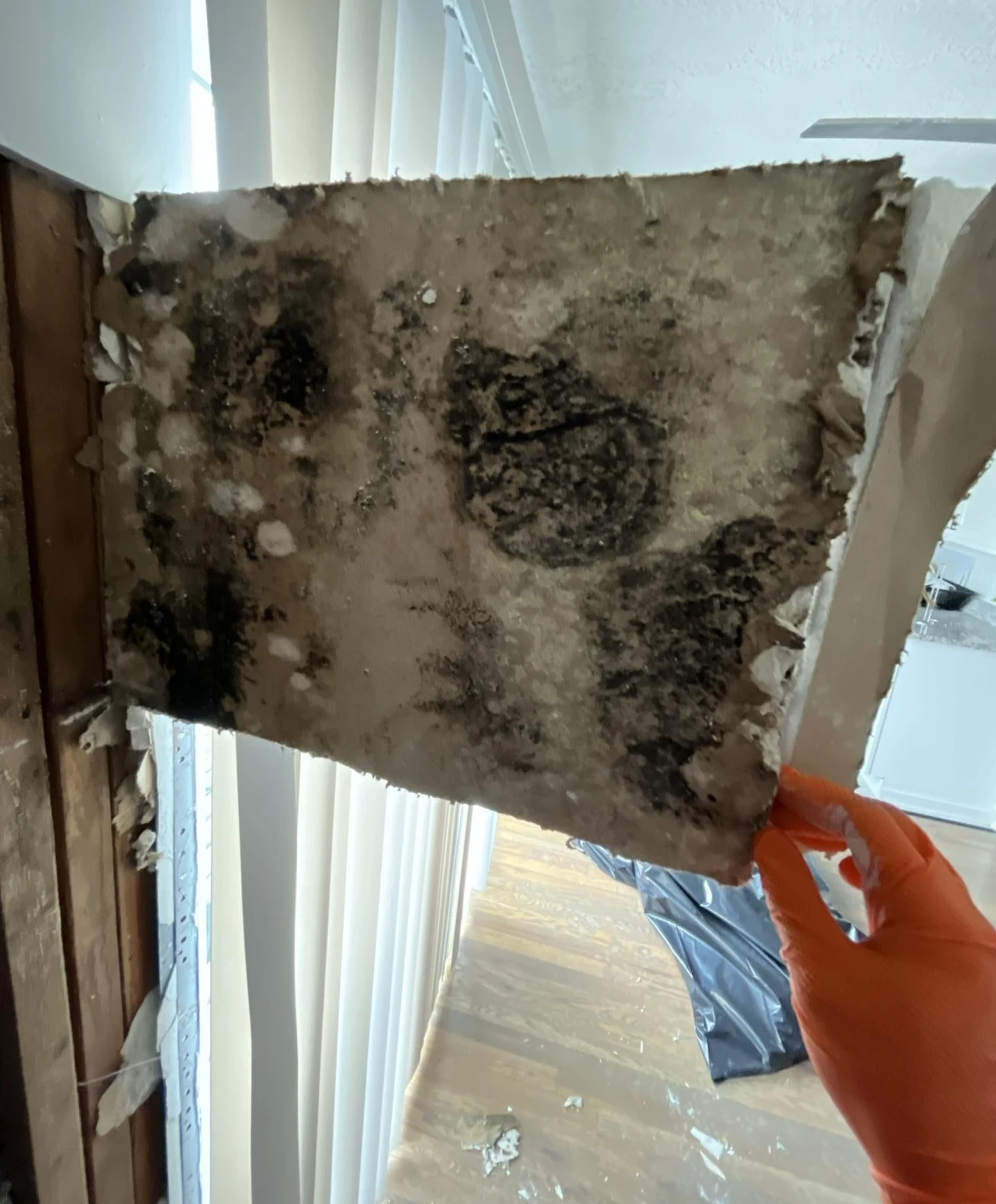
Signs you need professional water damage restoration
Water damage isn’t always easy to spot. While standing water is an obvious sign, hidden moisture can continue damaging your property long after the surface appears dry. If you notice any of the following, it’s time to schedule a professional water damage restoration service:
Ignoring these warning signs can lead to structural damage, mold growth, and costly repairs. A professional water damage restoration service can identify hidden moisture, restore affected areas, and help prevent further damage to your property.
Frequently Asked Questions
How soon should I call after water damage?
As soon as you can. Even a small leak can spread into materials within hours. The faster water is removed and drying begins, the better the chance of preventing secondary damage like warped flooring, swelling drywall, and mold risk. If the leak is active, shut off the water source if it’s safe, then call for emergency help. If you’re in Greater Cincinnati, call (513) 909-6540 and we’ll guide you on the next step.
How long does water damage restoration take?
It depends on how much water is present, how long it sat, and what materials were affected. Many drying jobs take several days, especially when moisture has moved into walls, floors, or substructures. The goal is to dry to proper moisture targets, not just dry what looks wet. We monitor progress and adjust equipment as needed, then confirm when drying is complete based on readings.
What’s the difference between water removal and water restoration?
Water removal is the extraction of standing water. Water restoration includes the full process of stabilizing the property, detecting hidden moisture, drying, dehumidifying, monitoring, and documenting the work. Restoration is focused on preventing ongoing damage and preparing the property for repairs. If you only extract water without proper drying, moisture can remain trapped and lead to more problems later.
Will my homeowner’s insurance cover water damage?
Often, sudden water damage events like a burst pipe may be covered, but coverage depends on the cause and your policy details. Some policies exclude certain types of seepage or long-term leaks that weren’t addressed. If you’re unsure, we can help you understand what to document and what questions to ask your carrier. We also provide job documentation that can support the claim process.
Can water damage cause mold?
Yes, especially if moisture remains trapped in building materials. Mold risk increases when wet materials aren’t dried properly and promptly. That’s why professional drying and moisture detection matter. Even if the surface feels dry, moisture can be present behind walls or under floors. If you’re concerned about mold, we can assess the situation and recommend the right next step.
Do I need to replace drywall after a leak?
Not always, but sometimes. Drywall can be saved in some situations if it’s dried properly and hasn’t been compromised. However, if drywall swells, crumbles, or has been exposed to contaminated water, removal may be necessary. The right decision depends on the category of water and how far moisture traveled. We assess the materials and help you make the safest and most practical call.
What should I do first after a pipe bursts?
First, shut off the main water supply if it’s safe to do so. If water is near electrical outlets or appliances, avoid the area and shut off power only if it can be done safely. Then call for emergency water extraction and drying. While waiting, if it’s safe, move small valuables away from wet areas and avoid running fans that blow moisture deeper into walls. Call (513) 909-6540 for immediate help in Greater Cincinnati.
How do you detect moisture inside walls or floors?
We use professional moisture detection tools designed to locate and measure water inside building materials. That includes checking drywall, baseboards, flooring, and subfloors. This lets us map affected areas and set up a drying plan based on real readings. It also helps confirm that drying is complete, which is important for long-term results and documentation.
Is it safe to stay in the home during drying?
Often, yes, but it depends on the extent of damage and which areas are affected. Drying equipment can be loud and may limit access to certain rooms. If the water damage involved contaminated water or created unsafe conditions, you may need to avoid specific areas. We’ll explain what’s safe, what to avoid, and how to protect kids and pets during the drying process.
How much does water damage restoration cost in Cincinnati?
Costs vary based on the amount of water, how far it spread, how long it sat, and the materials affected. A small localized leak is very different from a flooded basement. The best way to get accurate pricing is an on-site assessment so we can measure moisture, determine the scope, and outline the work needed. If you’re in Cincinnati or nearby areas, call (513) 909-6540 and we’ll help you get clarity quickly.