
Flood Cleanup in Cincinnati
Water in your basement can soak flooring, walls, and belongings. You need to know what can be saved and what to do next.
H2O Restoration provides flood cleanup in Cincinnati, including water removal and structural drying. We assess the affected areas and explain the cleanup steps. Call (513) 909-6540 to discuss the damage and get help planning what comes next.
Fast help for flooding, from water removal to drying
Flood water spreads quickly and soaks into materials that don’t look wet at first. It can travel under flooring, behind baseboards, into drywall, insulation, and subfloors. Even after the standing water is gone, hidden moisture can continue to cause damage. Our flood cleanup process is built to remove water fast, detect what you can’t see, dry the structure to proper targets, and document the work so you have clarity from day one.
If you’re unsure whether it counts as “flooding” or “water damage,” call us anyway. We’ll help you assess what’s happening and the safest next step.
What’s included in our flood cleanup service
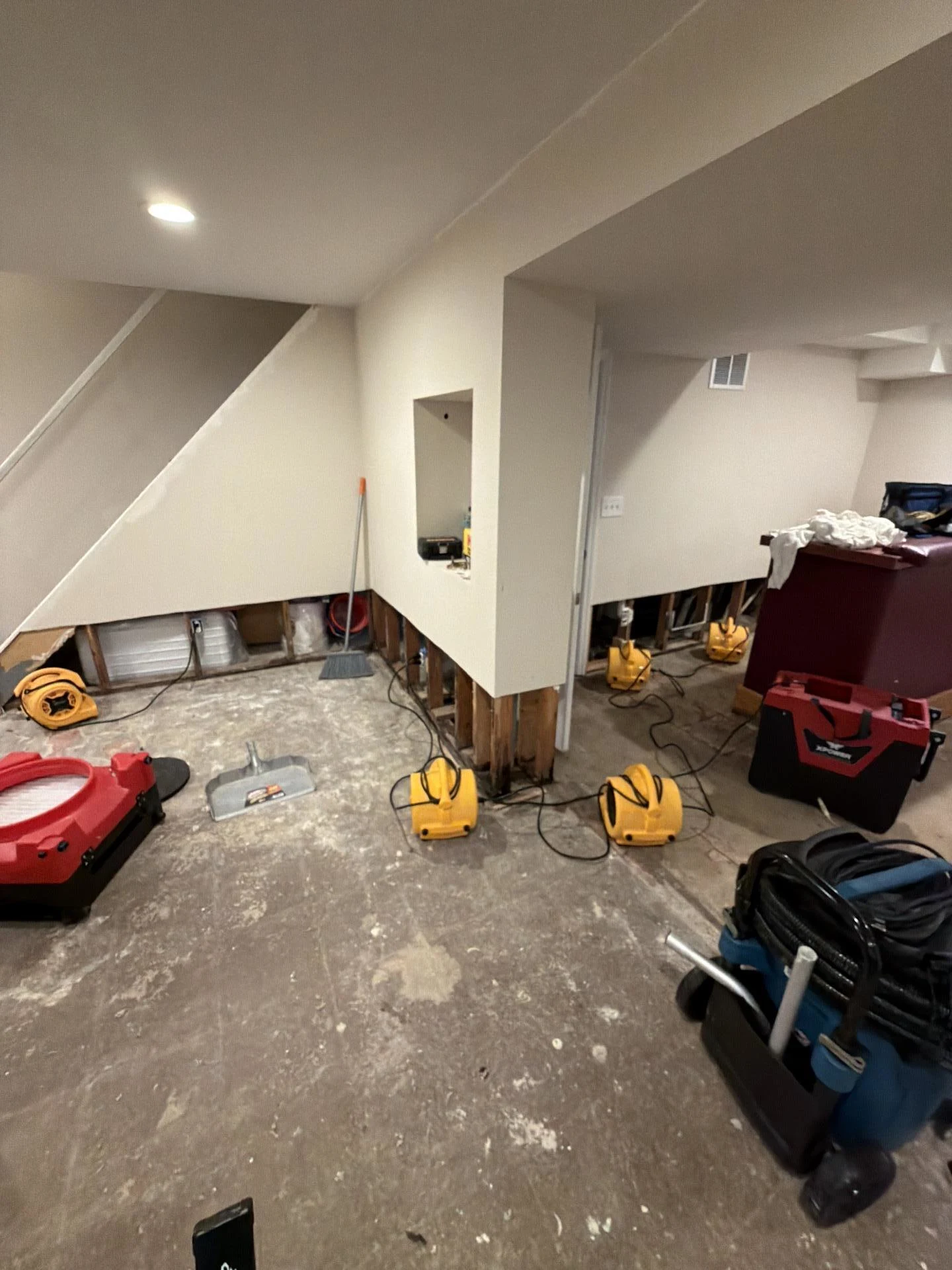
H2O Restoration handles flood cleanup from the emergency stage through structural drying and next-step guidance. Our approach is designed to prevent secondary damage and get your home or business back to a stable condition as quickly as possible.
Emergency flood water removal
We remove standing flood water using professional extraction equipment. This includes water removal from floors, carpets, and lower-level areas where water tends to pool. Speed matters because flooded materials deteriorate quickly, especially in basements.
Moisture detection and affected-area mapping
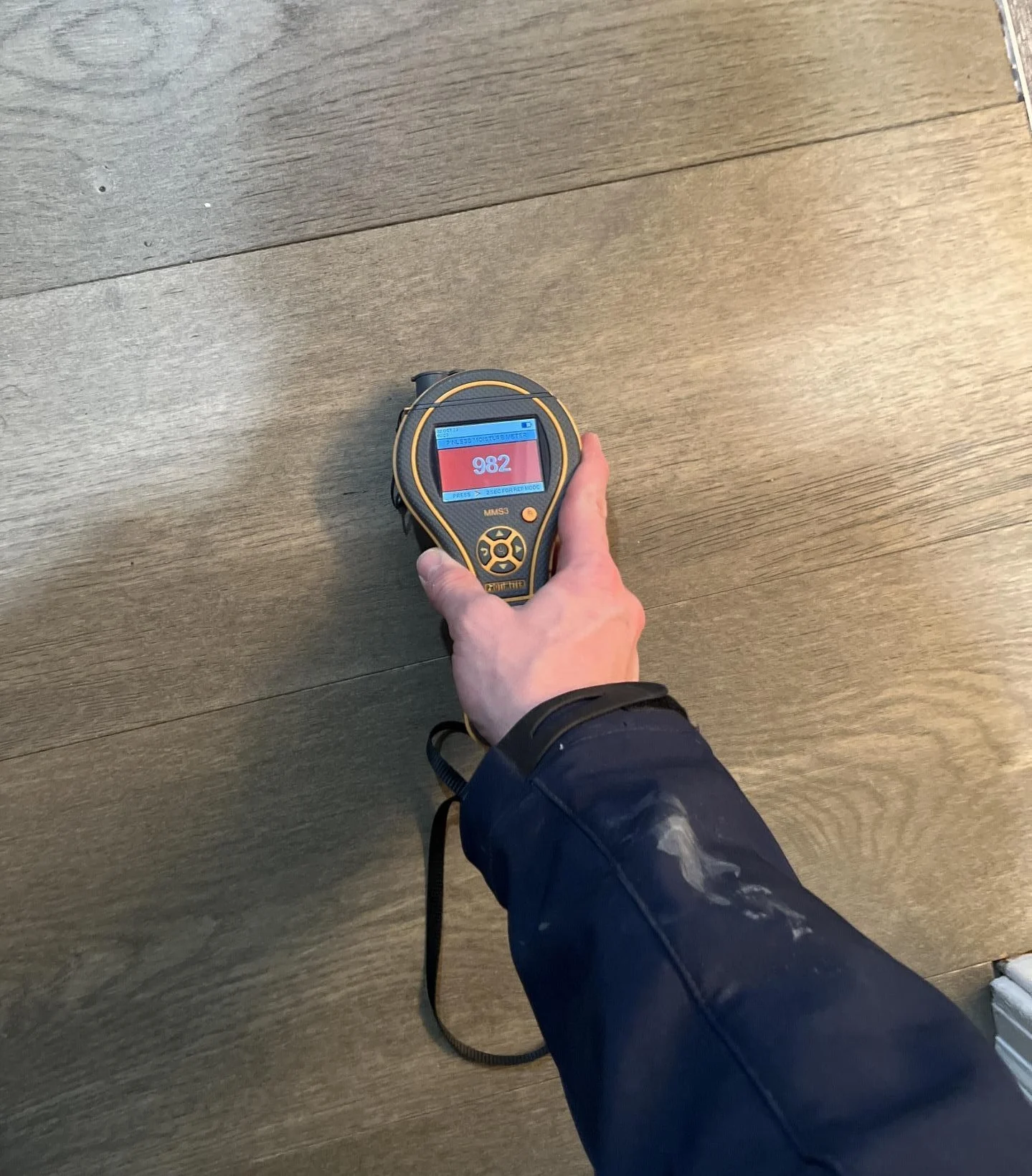
Flooding often creates hidden moisture in wall cavities, behind baseboards, and beneath flooring. We use professional moisture detection tools to map the full affected area, not just what’s visible. This helps us build a drying plan that’s accurate and prevents missed wet spots.
Structural drying and dehumidification
Drying after flooding requires more than fans. We use commercial-grade air movers and dehumidifiers to pull moisture out of structural materials and stabilize indoor humidity. We target proper moisture levels so your property is ready for repairs and safe to move forward.
Monitoring and equipment adjustments
Flood cleanup isn’t a one-time visit. We monitor drying progress and adjust equipment as needed. This helps ensure drying is effective and reduces the chance of lingering moisture that causes odors and mold risk.
Cleaning guidance and documentation
Flood events can involve debris, silt, and contaminants depending on the water source. We document the conditions, the affected areas, and the drying process. If insurance is involved, proper documentation helps support the work performed and keeps the process clearer.
Next steps for repairs and restoration
After the cleanup and drying phase, we help you understand what repairs may be needed. Some situations require minor material replacement, while others need more extensive restoration. Either way, we’ll give you a clear plan so you’re not left guessing.
Our flood cleanup process
We keep flood cleanup organized and predictable, even when the situation feels overwhelming.
1) Rapid response and flood assessment
We arrive quickly, assess the extent of flooding, identify affected areas, and determine where water has traveled. We also evaluate material impact and prioritize critical areas.
2) Water extraction and stabilization
We remove standing water and take steps to stabilize the space. This may include removing saturated materials when necessary, setting up airflow, and preparing the area for effective drying.
3) Drying, dehumidification, and moisture mapping
We install drying equipment based on readings and airflow needs. Our goal is to dry thoroughly and reduce the chance of long-term issues that can follow a flood.
4) Monitoring and adjustments
We track moisture levels and modify the setup as needed to keep the job moving. This step is key because flood moisture often hides under floors and inside walls.
5) Drying complete and next-step guidance
Once drying targets are met, we document completion and guide you on repairs and restoration planning. If insurance is involved, we help keep the process supported with clear documentation.
Cincinnati Homeowners Reviews

Matt Balducci
on Google

Matt Balducci
on GoogleMatt Balducci
on GoogleMatt Balducci
on GoogleMatt Balducci
on GoogleMatt Balducci
on GoogleMatt Balducci
on GoogleMatt Balducci
on GoogleMatt Balducci
on GoogleMatt Balducci
on Google
Terrence Cooper
on GoogleTerrence Cooper
on GoogleTerrence Cooper
on GoogleTerrence Cooper
on GoogleTerrence Cooper
on GoogleTerrence Cooper
on GoogleTerrence Cooper
on GoogleTerrence Cooper
on GoogleTerrence Cooper
on GoogleTerrence Cooper
on Google
Angelia H.
on GoogleAngelia H.
on GoogleAngelia H.
on GoogleAngelia H.
on GoogleAngelia H.
on GoogleAngelia H.
on GoogleAngelia H.
on GoogleAngelia H.
on GoogleAngelia H.
on GoogleAngelia H.
on Google
Ikia Hatchett
on GoogleIkia Hatchett
on GoogleIkia Hatchett
on GoogleIkia Hatchett
on GoogleIkia Hatchett
on GoogleIkia Hatchett
on GoogleIkia Hatchett
on GoogleIkia Hatchett
on GoogleIkia Hatchett
on GoogleIkia Hatchett
on Google
Maia Jones
Maia Jones
Maia Jones
Maia Jones
Maia Jones
Maia Jones
Maia Jones
Maia Jones
Maia Jones
Maia Jones

Jarrod Humphrey
on GoogleJarrod Humphrey
on GoogleJarrod Humphrey
on GoogleJarrod Humphrey
on GoogleJarrod Humphrey
on GoogleJarrod Humphrey
on GoogleJarrod Humphrey
on GoogleJarrod Humphrey
on GoogleJarrod Humphrey
on GoogleJarrod Humphrey
on Google
Jake Chase
on GoogleJake Chase
on GoogleJake Chase
on GoogleJake Chase
on GoogleJake Chase
on GoogleJake Chase
on GoogleJake Chase
on GoogleJake Chase
on GoogleJake Chase
on GoogleJake Chase
on Google
Amanda Mensing
on GoogleAmanda Mensing
on GoogleAmanda Mensing
on GoogleAmanda Mensing
on GoogleAmanda Mensing
on GoogleAmanda Mensing
on GoogleAmanda Mensing
on GoogleAmanda Mensing
on GoogleAmanda Mensing
on GoogleAmanda Mensing
on Google
Megan D.
on GoogleMegan D.
on GoogleMegan D.
on GoogleMegan D.
on GoogleMegan D.
on GoogleMegan D.
on GoogleMegan D.
on GoogleMegan D.
on GoogleMegan D.
on GoogleMegan D.
on Google
Kimber Roberson
on GoogleKimber Roberson
on GoogleKimber Roberson
on GoogleKimber Roberson
on GoogleKimber Roberson
on GoogleKimber Roberson
on GoogleKimber Roberson
on GoogleKimber Roberson
on GoogleKimber Roberson
on GoogleKimber Roberson
on Google
David Trinh
on GoogleDavid Trinh
on GoogleDavid Trinh
on GoogleDavid Trinh
on GoogleDavid Trinh
on GoogleDavid Trinh
on GoogleDavid Trinh
on GoogleDavid Trinh
on GoogleDavid Trinh
on GoogleDavid Trinh
on Google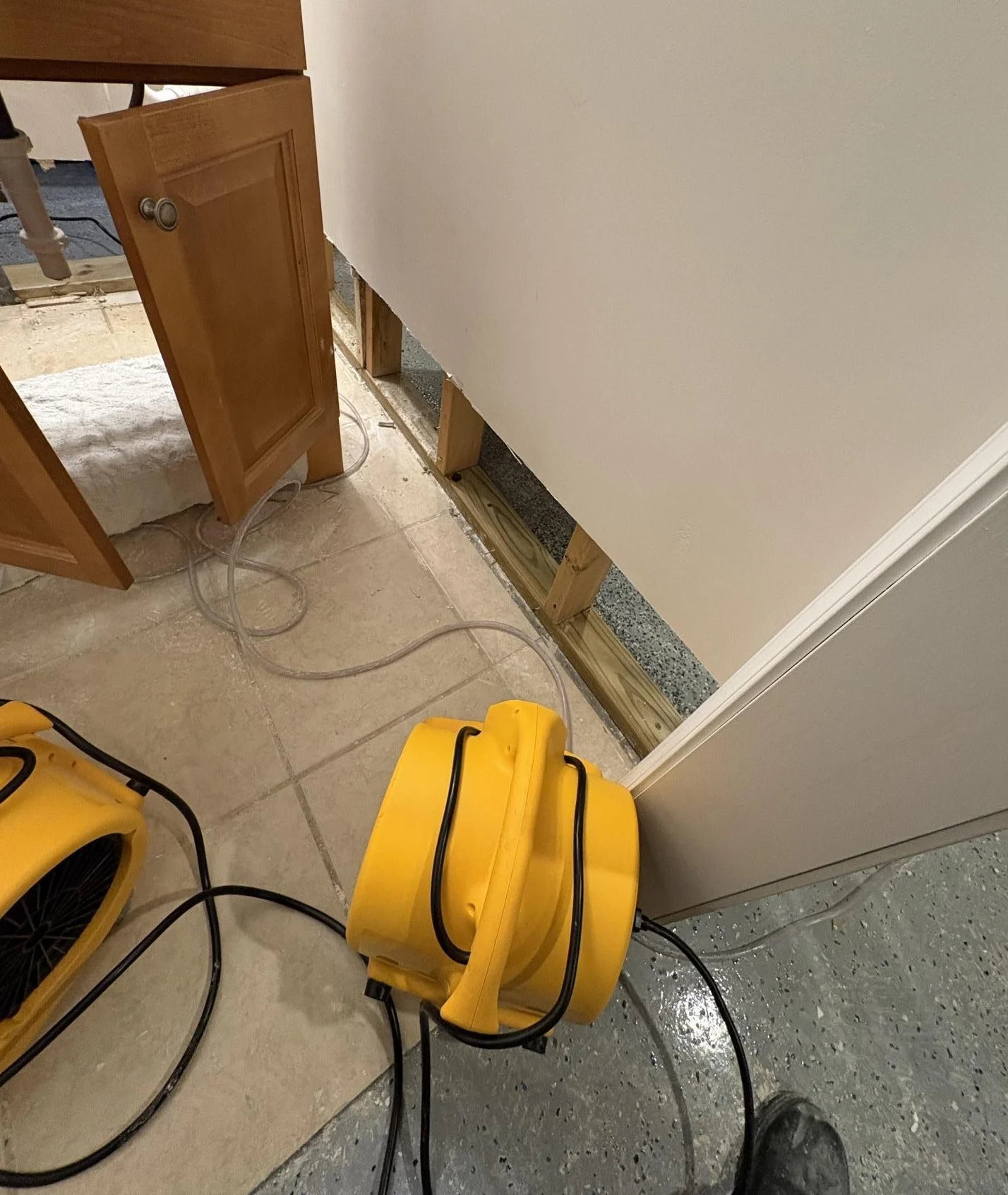
Why fast flood cleanup matters in Cincinnati homes and basements
Flooding in Greater Cincinnati often impacts basements and lower levels, especially during heavy rains and seasonal storms. Even a few inches of water can soak into drywall, insulation, and framing, and the damage can spread if cleanup and drying don’t happen quickly.
Flood cleanup is not only about removing water. It’s about making sure moisture doesn’t remain trapped in building materials. When moisture lingers, you may see warped floors, peeling paint, musty smells, and mold risk. Proper moisture detection, professional drying equipment, and monitoring are what prevent the flood from becoming a larger restoration problem.
Help with insurance claims, without the headaches
Flood-related cleanup can be confusing when insurance is involved, especially because coverage depends on how the flooding happened. We keep it practical and straightforward.
Coverage varies by policy, and some flood events may involve separate flood insurance. If you’re unsure what applies to your situation in Cincinnati or nearby areas, call us first. We’ll help you understand what to document and what to ask your carrier.
Serving Greater Cincinnati & Nearby Areas
Ohio
Kentucky
Common signs you need professional flood cleanup
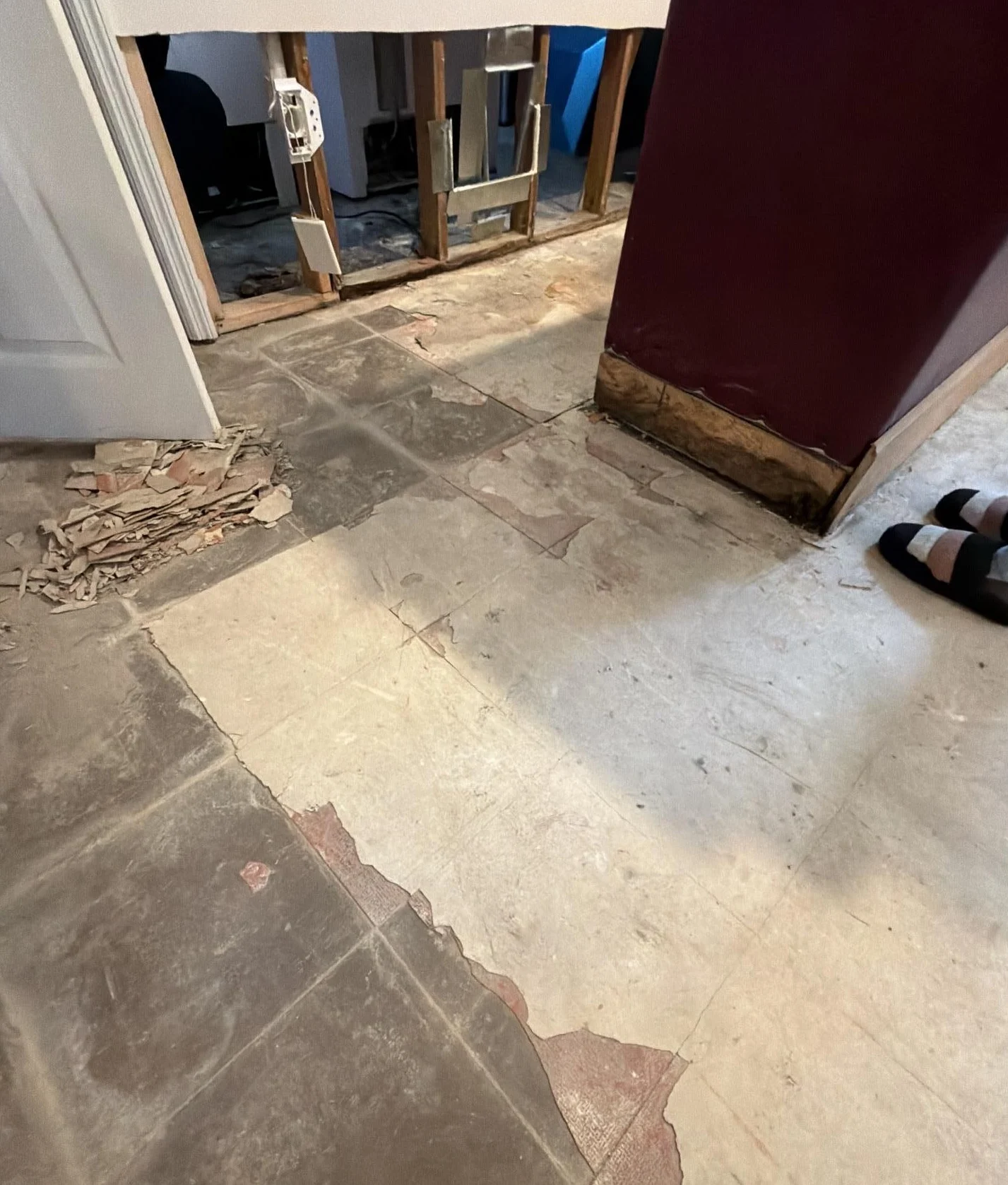
Sometimes the standing water is gone, but the problem remains. If you notice any of the following, it’s worth getting a professional flood cleanup assessment:
Hidden moisture is one of the biggest reasons flood damage turns into a long-term issue. A proper assessment can prevent expensive surprises.
Frequently Asked Questions
How soon should I start flood cleanup after a basement floods?
Immediately. The longer water sits, the more it penetrates building materials and the harder it is to prevent secondary damage. In many cases, damage can begin within hours, especially to drywall, flooring, and insulation. If it’s safe, stop the source of water and avoid electrical hazards, then call for professional water removal and drying. If you’re in Greater Cincinnati, call (513) 909-6540 for help right away.
How long does flood cleanup take?
It depends on how much water entered the space and what materials were affected. Water removal may happen quickly, but drying often takes several days because moisture can remain trapped under flooring and inside walls. We monitor moisture levels and adjust equipment until drying targets are met. The goal is to dry properly, not just dry what looks wet.
Is flood cleanup different from water damage restoration?
Flood cleanup is a type of water damage restoration, but it often involves more widespread saturation, especially in basements and lower levels. Flood cleanup typically requires aggressive extraction, careful moisture mapping, and thorough drying. Depending on the source of water, it may also involve additional cleaning steps. We evaluate the situation and follow the safest and most effective approach for the property.
Can I clean up a flood myself?
For very small, clean-water situations, you may be able to remove some water. But many floods involve hidden moisture and soaked materials that don’t dry properly without professional equipment. DIY cleanup can leave moisture behind walls or under flooring, leading to odors, warped materials, and mold risk. If your basement flooded in Cincinnati or nearby areas, it’s best to get a professional assessment quickly.
Will insurance cover flood cleanup?
Coverage depends on the source of the flooding and your policy. Some events may be covered under homeowner’s insurance, while others may require separate flood insurance. The best approach is to document what happened and call your carrier to confirm coverage. We can help by providing photos, moisture readings, and drying documentation to support the work performed.
Can a flooded basement cause mold?
Yes. Mold risk increases when wet materials aren’t dried properly and quickly. Even if the surface looks dry, moisture can remain behind baseboards, inside wall cavities, and under flooring. That’s why professional drying and moisture detection are so important after a flood. If you’re worried about mold after flooding, call (513) 909-6540 and we’ll help you evaluate the situation.
Do I need to remove drywall after a basement flood?
Not always, but sometimes. If drywall absorbed water, swelled, or was exposed to contaminated water, removal may be necessary to properly dry the structure and prevent odor or mold issues. The right decision depends on how high the water got, how long it sat, and what type of water it was. We assess materials and help you make the safest and most practical choice.
What should I do first if my basement floods in Cincinnati?
If it’s safe, avoid electrical hazards and do not walk through standing water if you’re unsure about power. Stop the source if possible, such as shutting off water or checking the sump pump. Then call for professional flood cleanup and drying. While waiting, move small valuables to a dry area if it can be done safely. For emergency help in Greater Cincinnati, call (513) 909-6540.
How do you know when the flooded area is fully dry?
We don’t rely on “it feels dry.” We use moisture readings to confirm drying progress and to verify that materials have reached proper targets. Flood moisture can remain under floors and in walls even after the surface dries. Monitoring and verification are what help prevent hidden moisture problems later.
How much does flood cleanup cost in Cincinnati?
Costs depend on the amount of water, how far it spread, how long it sat, and which materials were affected. A small area of seepage is very different from a fully flooded basement. The most accurate way to price flood cleanup is an on-site assessment with moisture checks and scope review. If you’re in Cincinnati or nearby areas, call (513) 909-6540 and we’ll help you get clarity quickly.