
WATER DAMAGE
RESIDENTIAL
Category 1
Pipe failure collapses ceilings & saturates Covington, KY
A pipe failure inside the walls of this late-1800s Victorian on Russell Street in Covington, KY saturated 969 sq ft across two floors — driving original hardwood floors to 82.9% moisture, collapsing plaster ceilings in a bedroom and adjacent room, peeling paint from plaster walls floor-to-ceiling, and threatening irreplaceable ornate crown molding and plaster medallions throughout. H2O Restoration responded, documented every affected zone, and coordinated a scope of work designed to protect the historic fabric of the structure while returning it to dry standard.
LOCATION
Covington, KY
Total affected area
969 sq ft
CAUSE OF LOSS
Pipe failure
RESPONSE TIME
Within 60 minutes
PROJECT OVERVIEW
WHAT HAPPENED
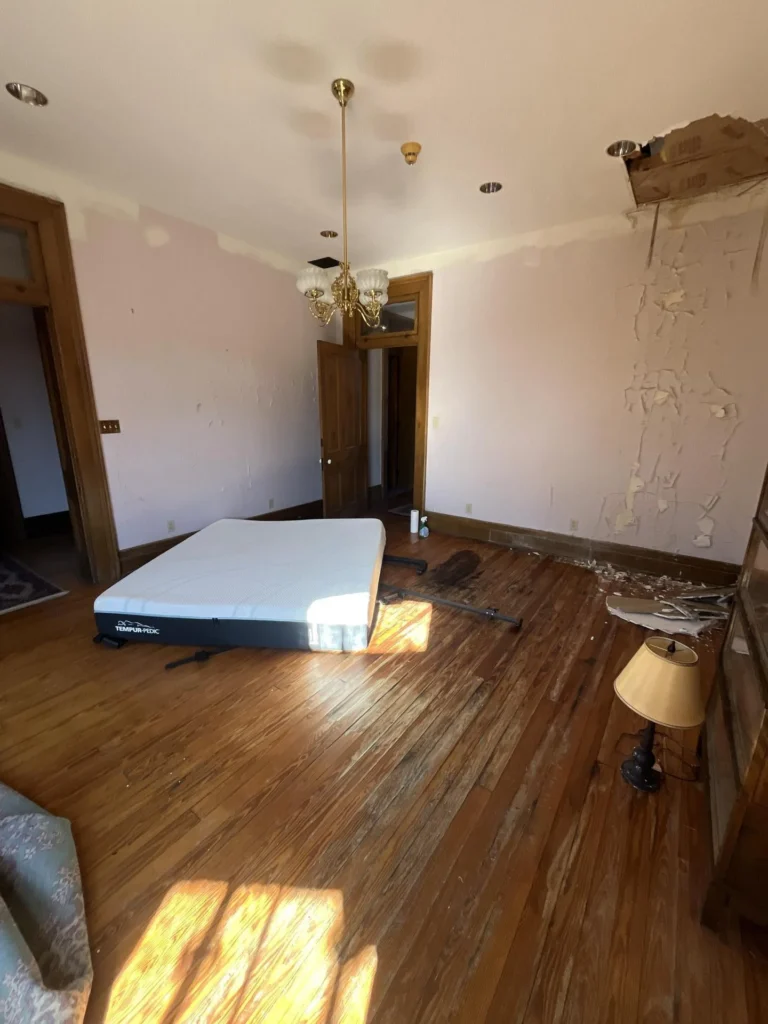
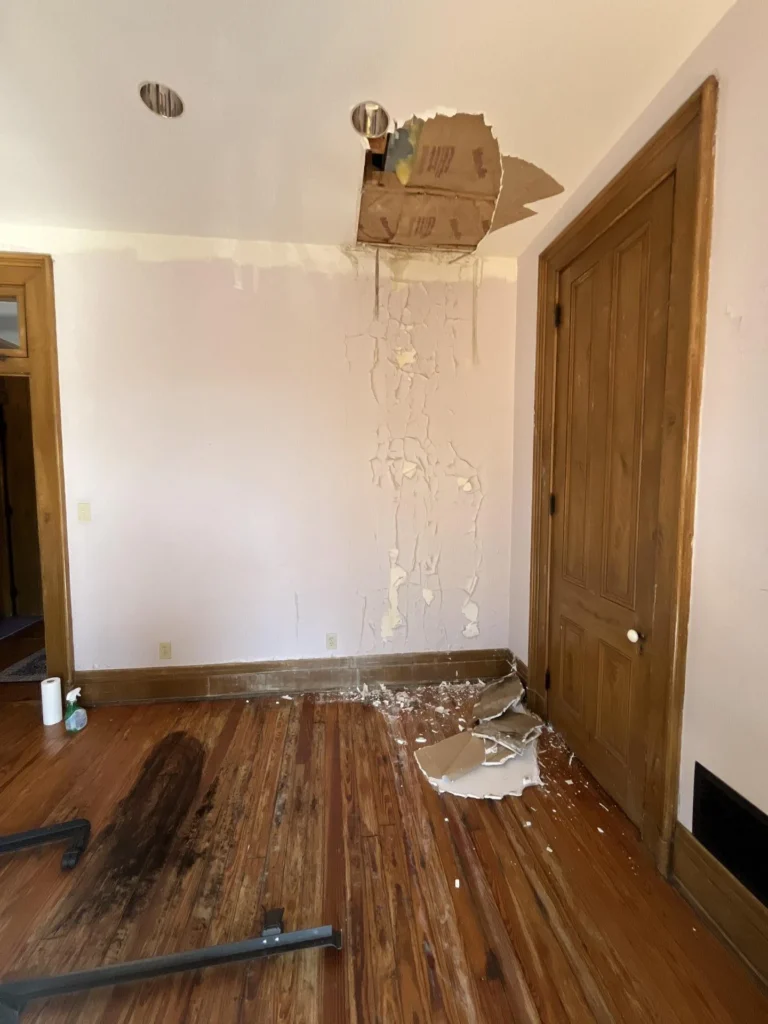
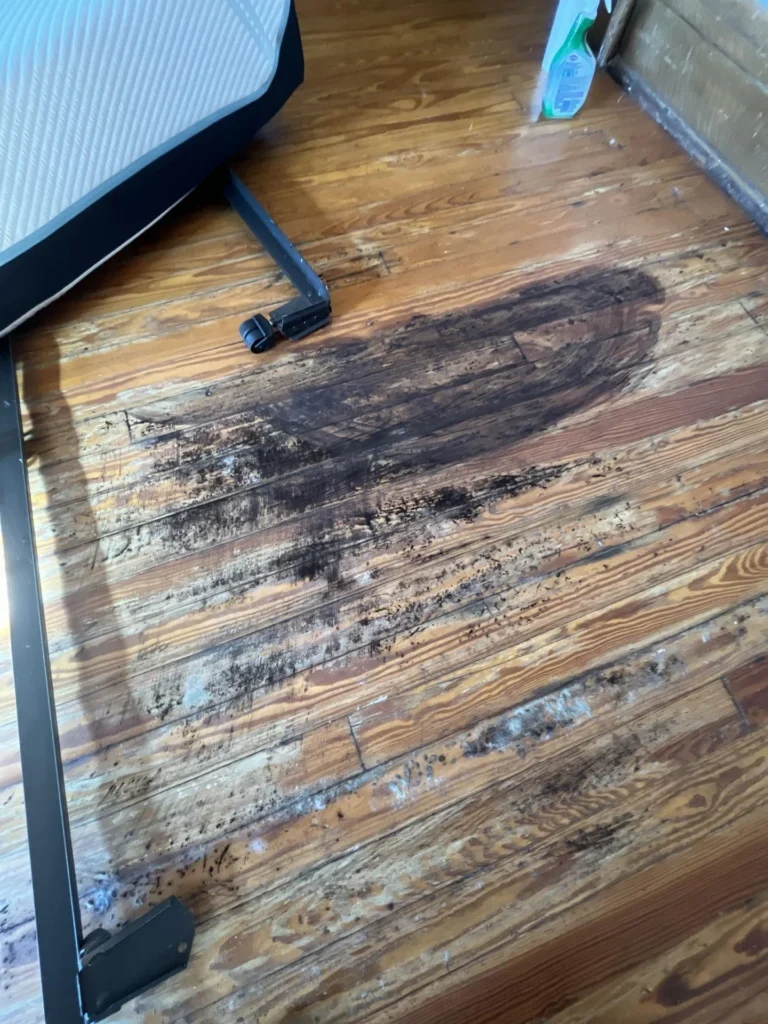
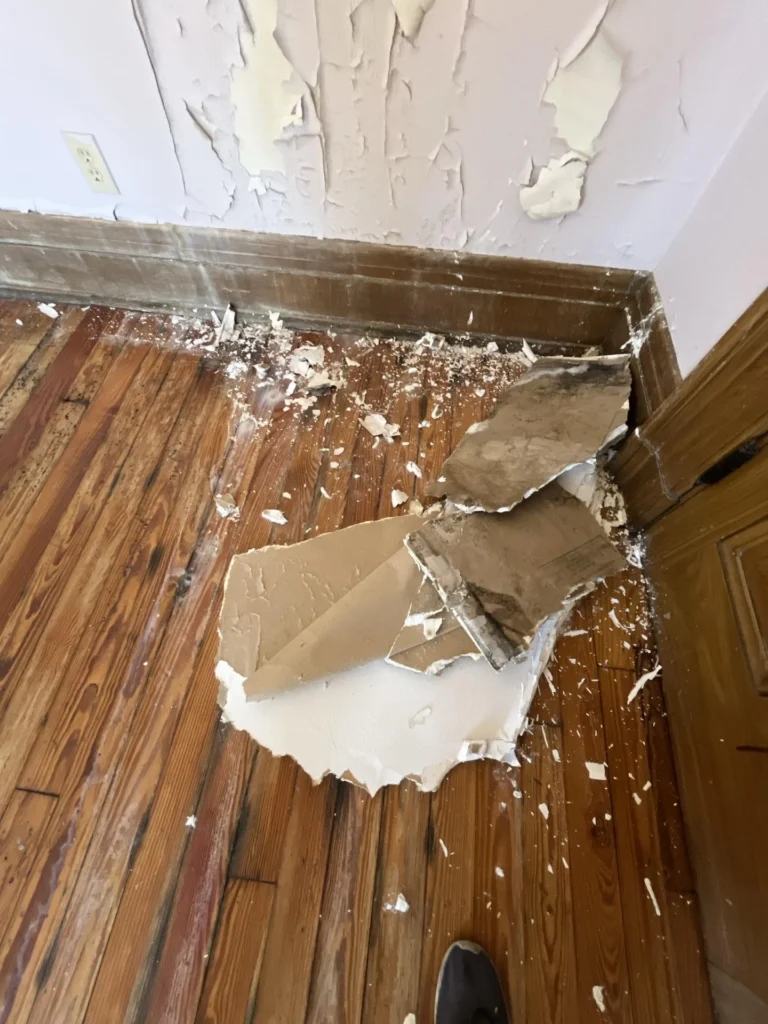
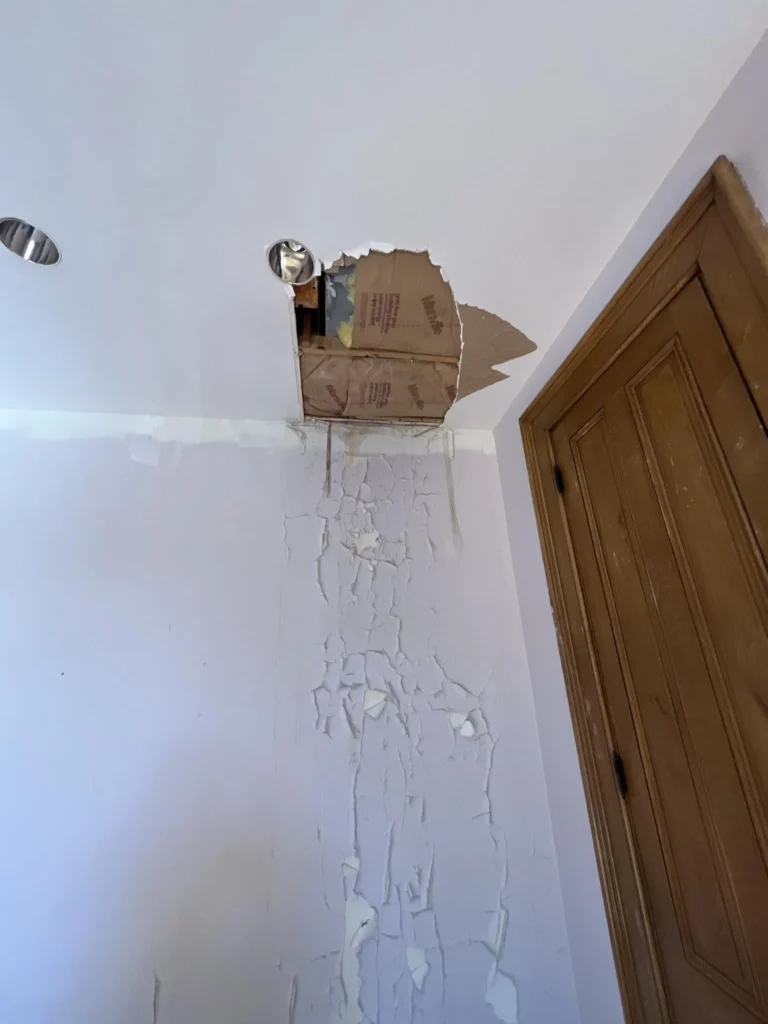
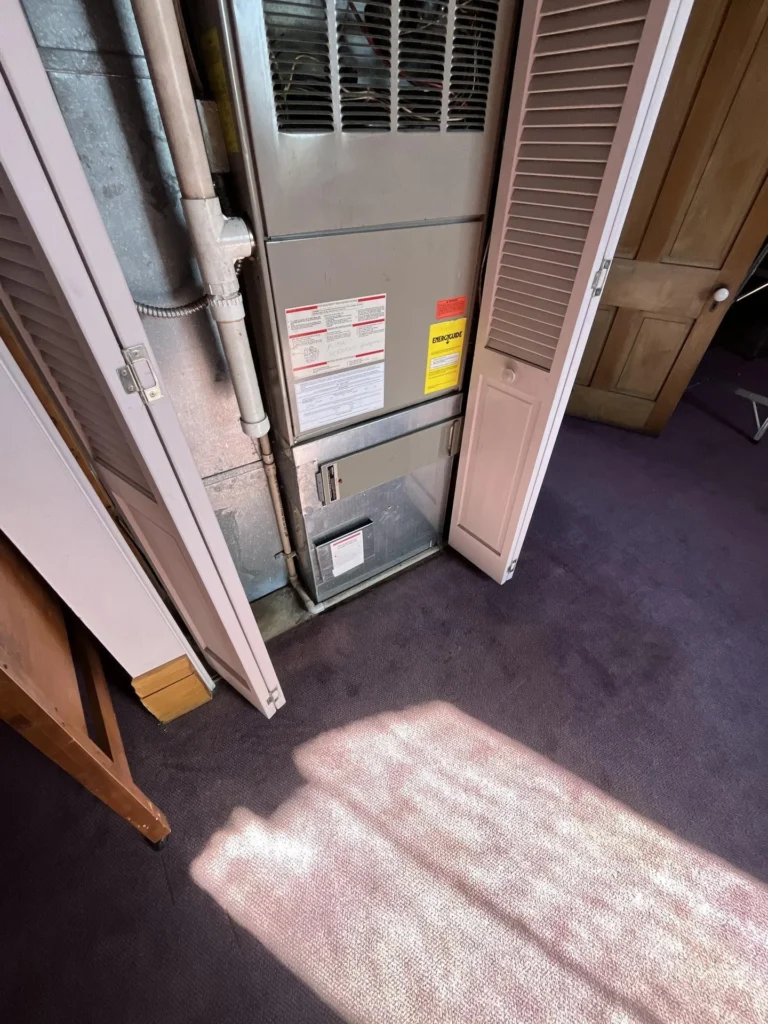
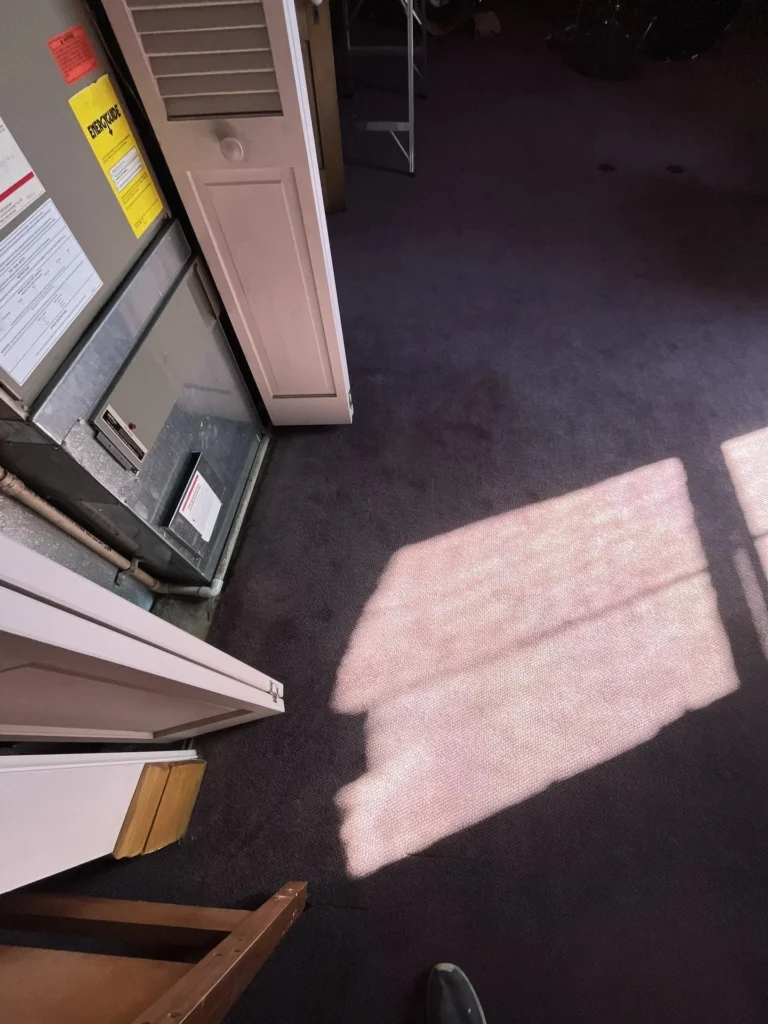
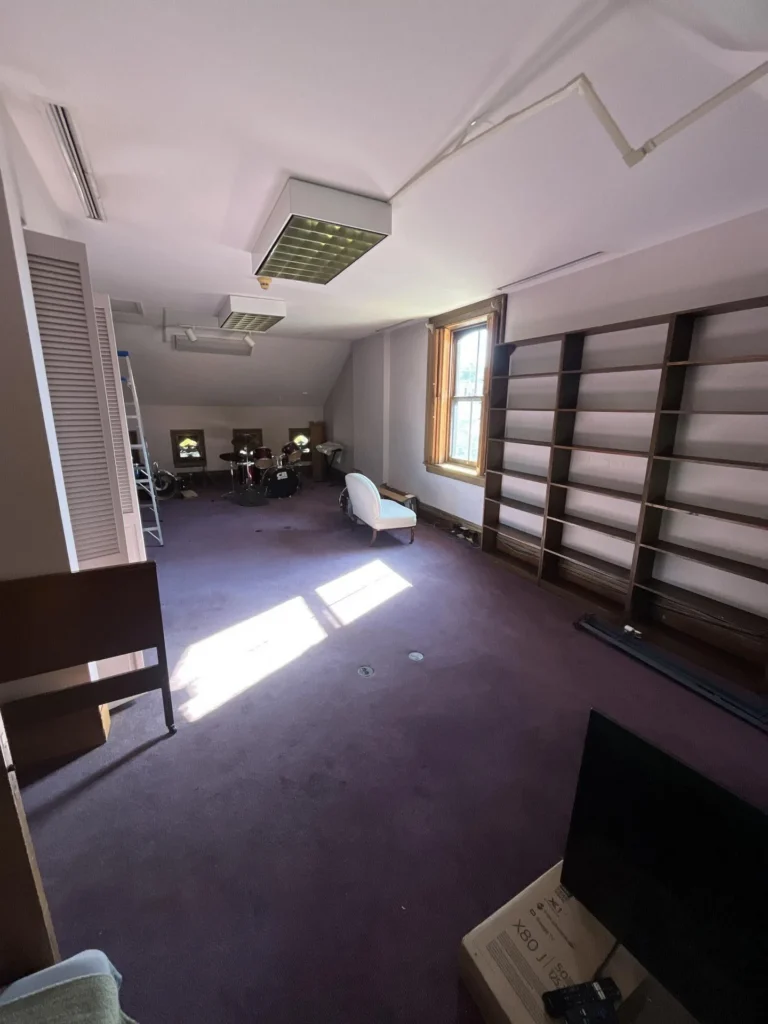
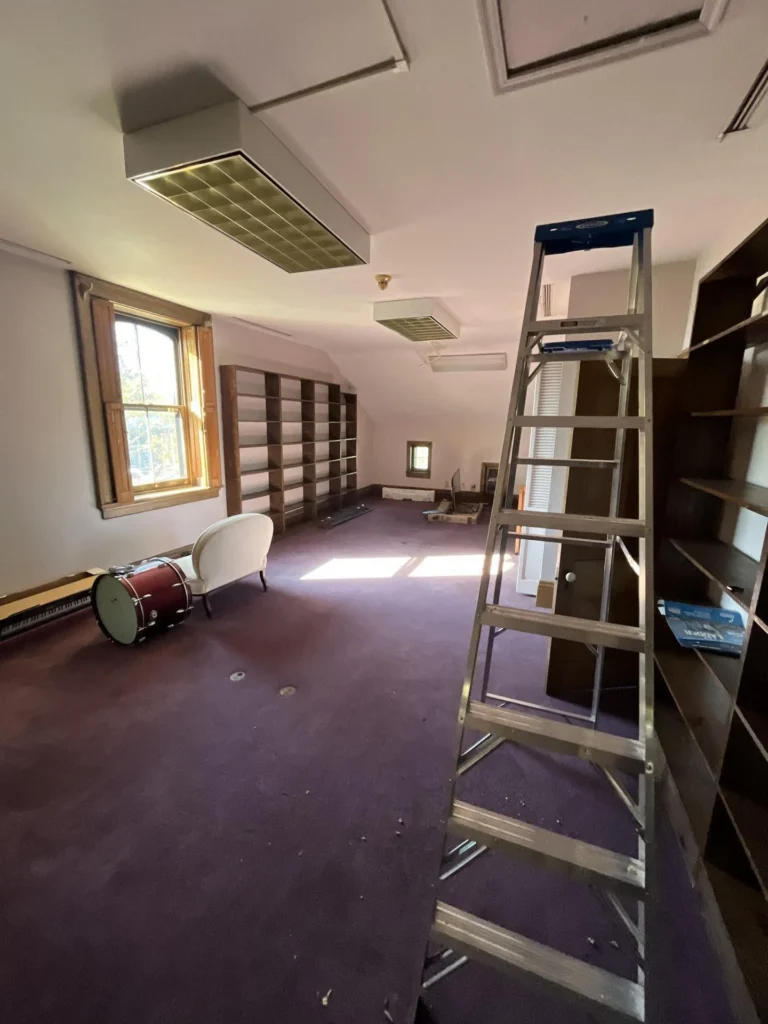
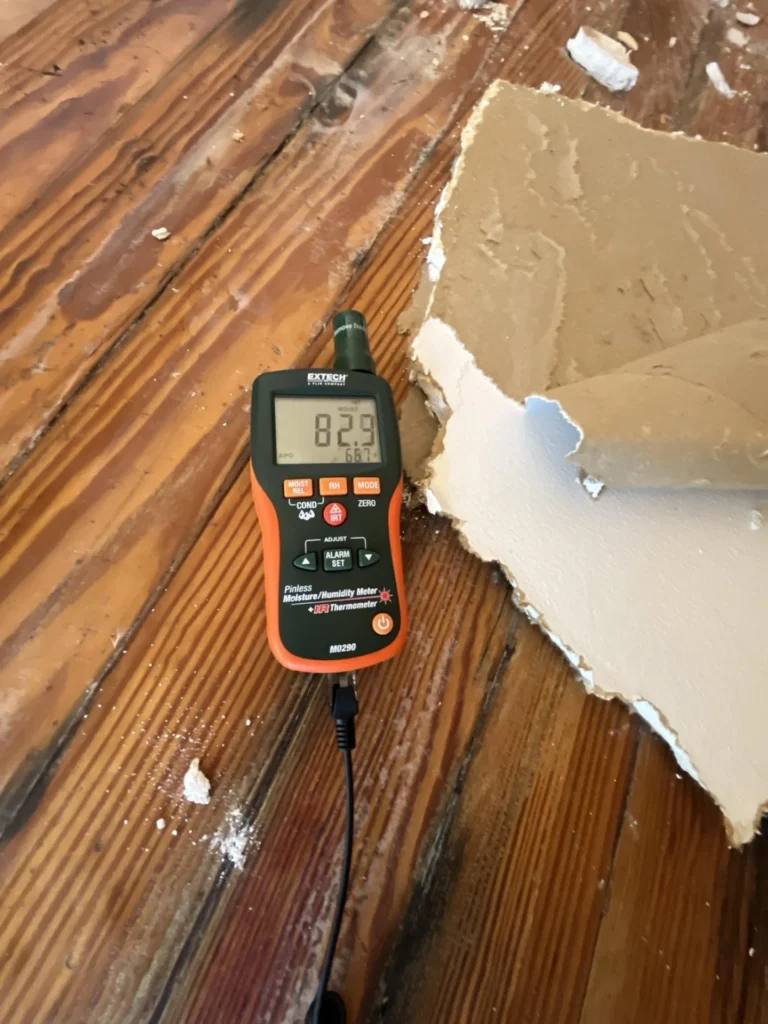
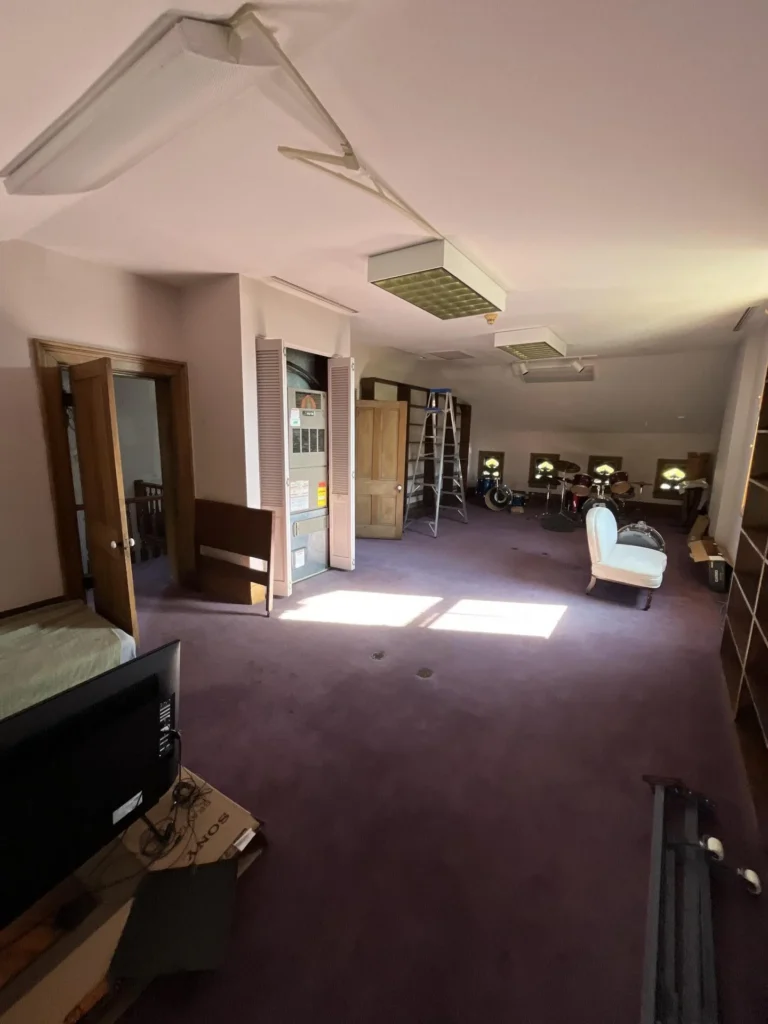
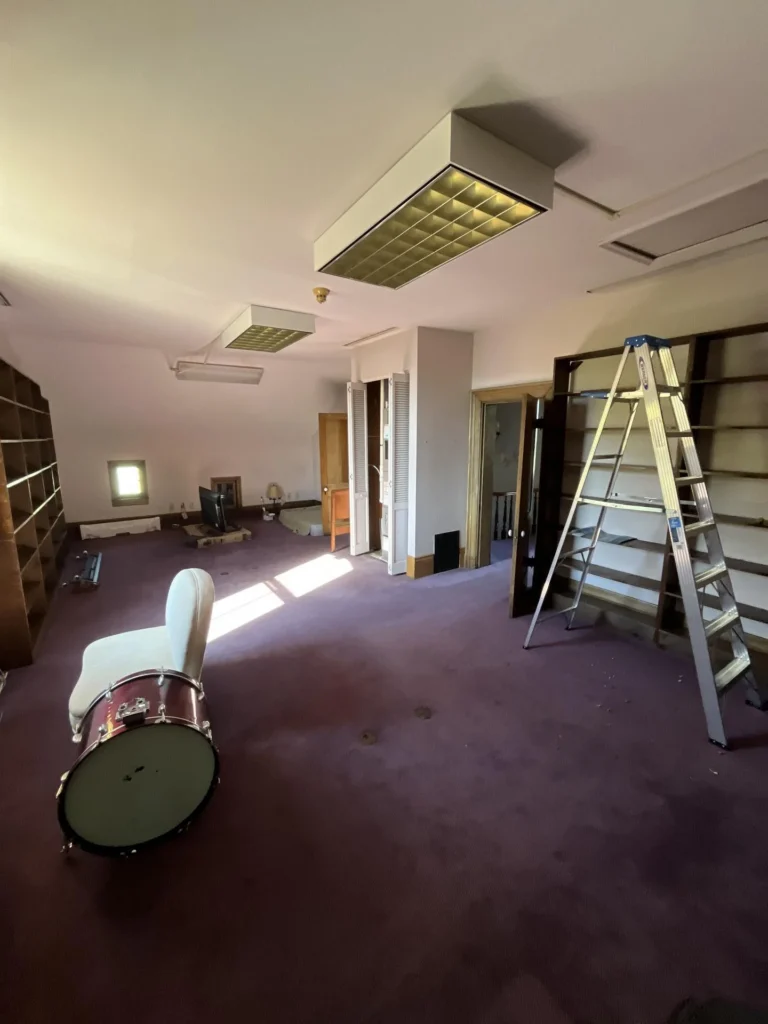
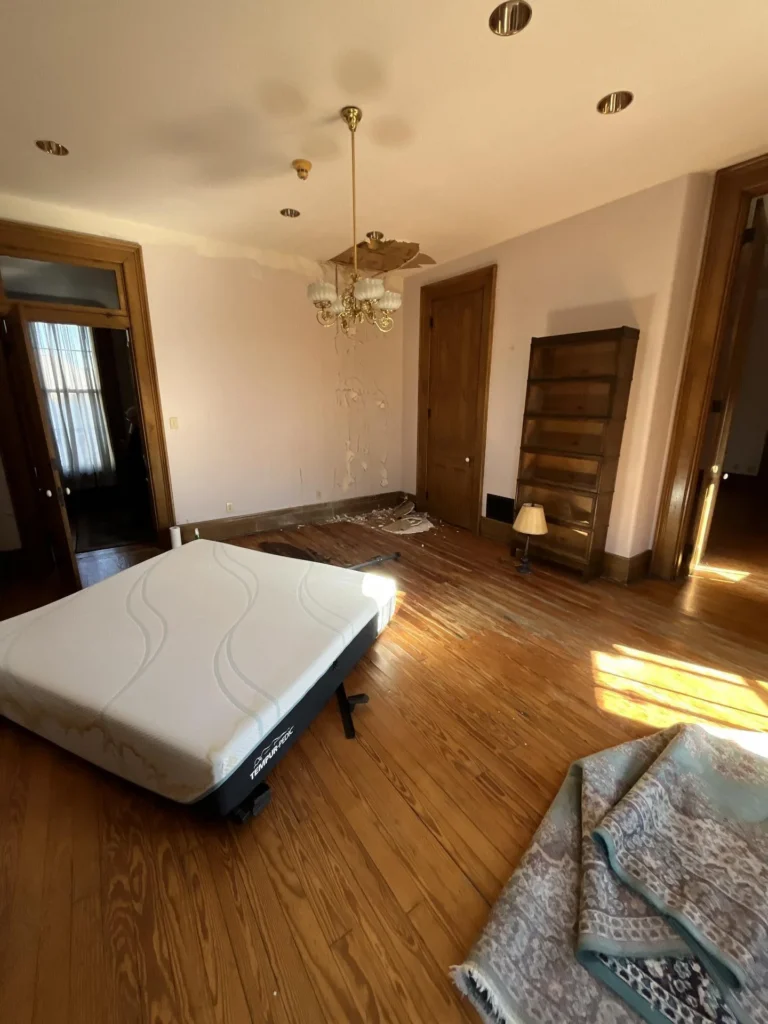
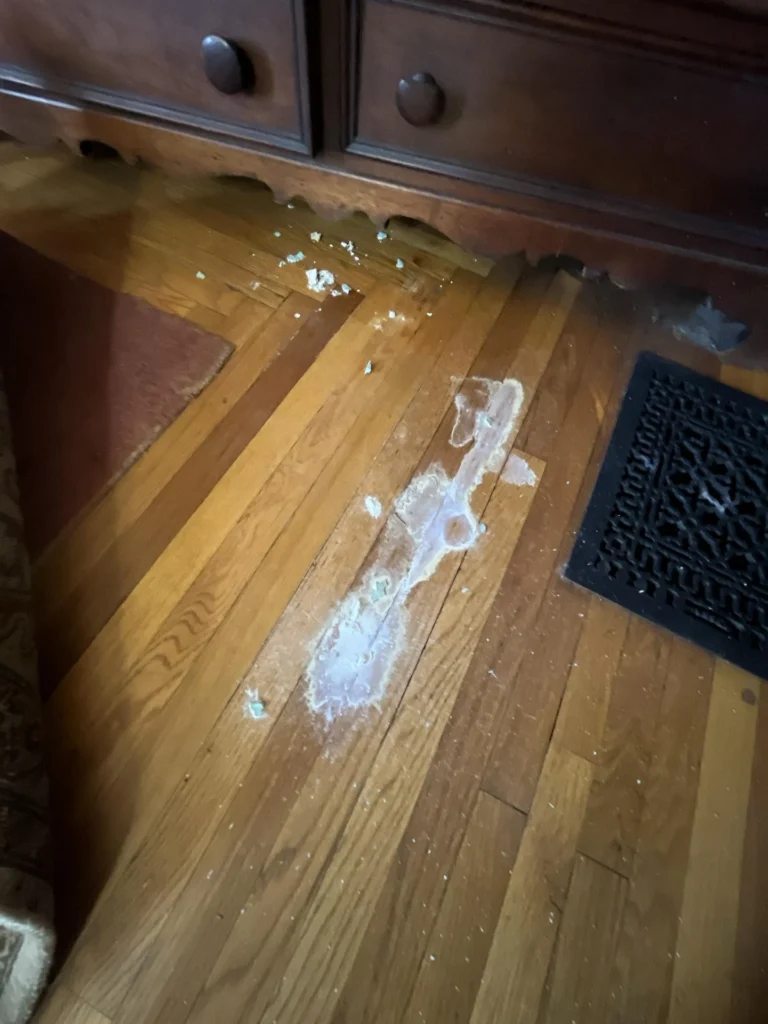
A pipe failure inside the walls of this historic Russell Street Victorian allowed water to migrate through the floor assembly and into both levels of the home — saturating original wide-plank hardwood floors to a measured moisture reading of 82.9% on the Extech M0290 pinless meter, collapsing plaster ceiling sections in the master bedroom and an adjacent room under the weight of accumulated water, and stripping paint from plaster walls in full sheets from the ceiling line to the baseboard; by the time H2O Restoration arrived, the 35'8"×15'8" upper room (614 sq ft) was showing saturated carpet and an HVAC air handler at risk, while the 16'9"×20'6" bedroom (355 sq ft) had visible ceiling collapse at the light fixture, paint peeling in cascading sheets down to the original hardwood floor, and dark staining under the Tempurpedic mattress — all within a structure where every damaged surface carries historic and replacement value far exceeding a standard residential home.
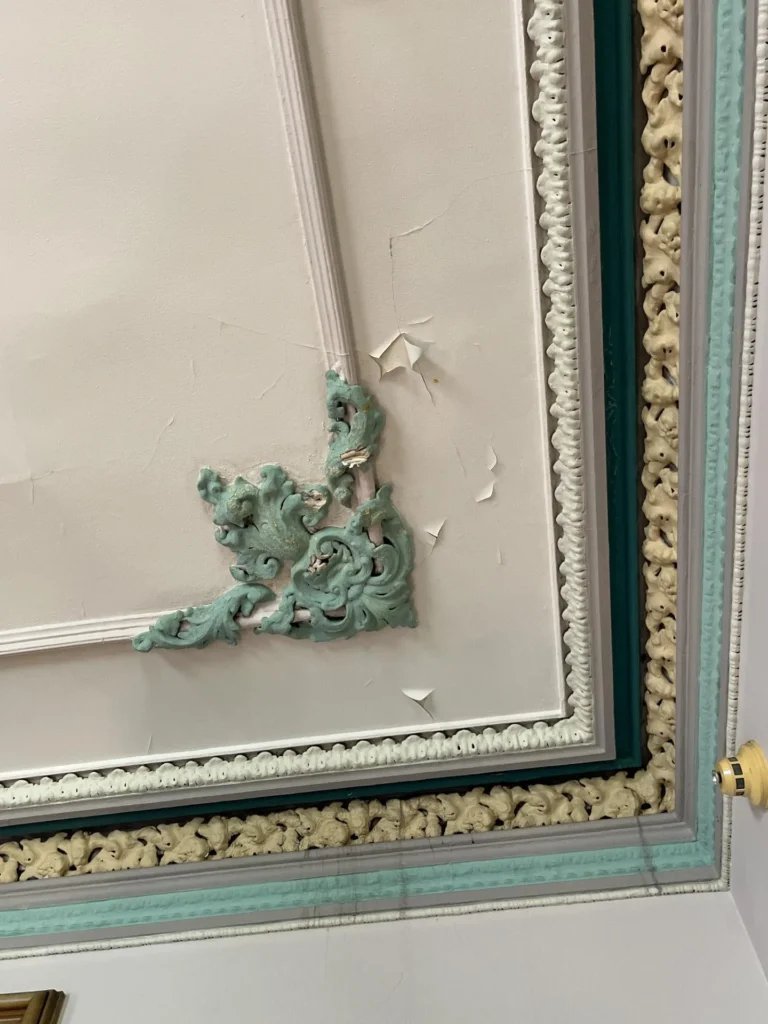
The water had migrated from the pipe failure through the floor assembly and into both the upper room (614 sq ft) and the bedroom below (355 sq ft), saturating the original hardwood subfloor to 82.9% moisture — a reading that, if left unaddressed, would have caused irreversible cupping, buckling, and structural decay in flooring that cannot be cost-effectively replaced. The ornate plaster crown molding and ceiling medallions, already showing paint failure, required special handling protocols to avoid further loss.
JOB DETAILS
- Cause of loss
- Water category
- Total affected area
- Spaces affected
- Flooring type
- Hardwood moisture reading
- Historic elements at risk
- Insurance support
Affected Spaces — From Floor Plans
- Upper room (Floor 1)
- Upper room sq ft
- Bedroom (Floor 2)
- Bedroom sq ft
- Ceiling collapse
- Wall paint failure
- Total
EQUIPMENT DEPLOYED
Extech M0290 pinless moisture meter
Air movers
Commercial air movers
Hardwood floor drying mats
Thermal imaging camera
Moisture meters (multiple)
Photo documentation system
Historic materials PPE
JOB SITE IMAGES
A CLOSER LOOK AT THE DAMAGE
Our process
Work completed
1
Emergency response — on site within 60 minutes
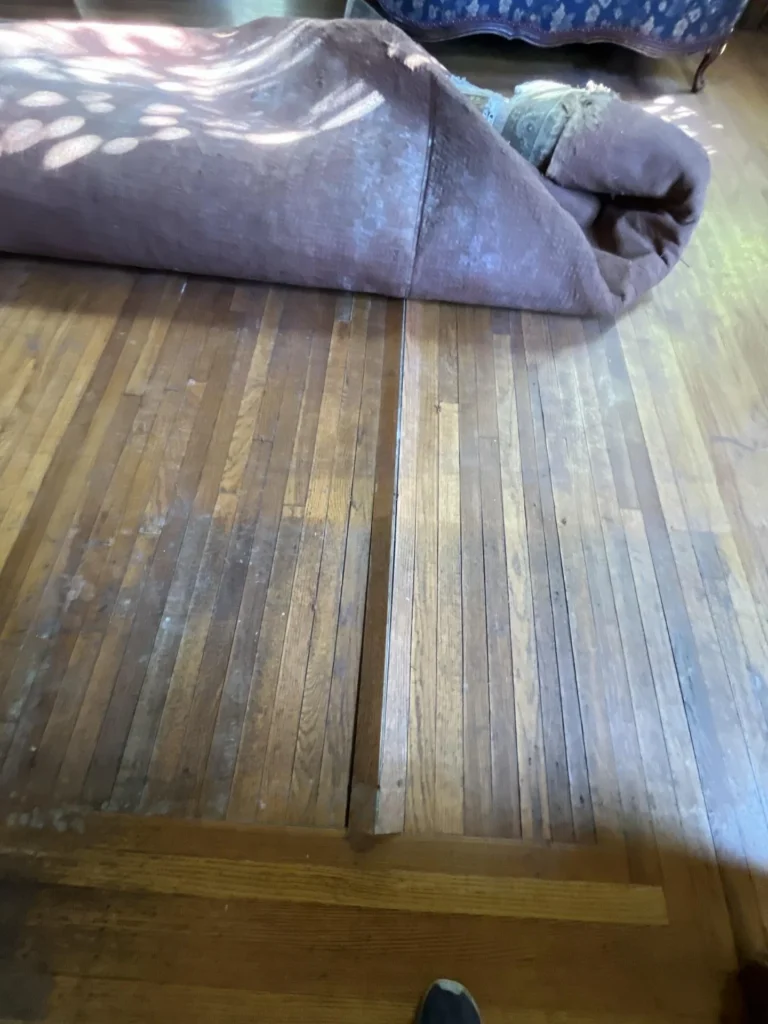
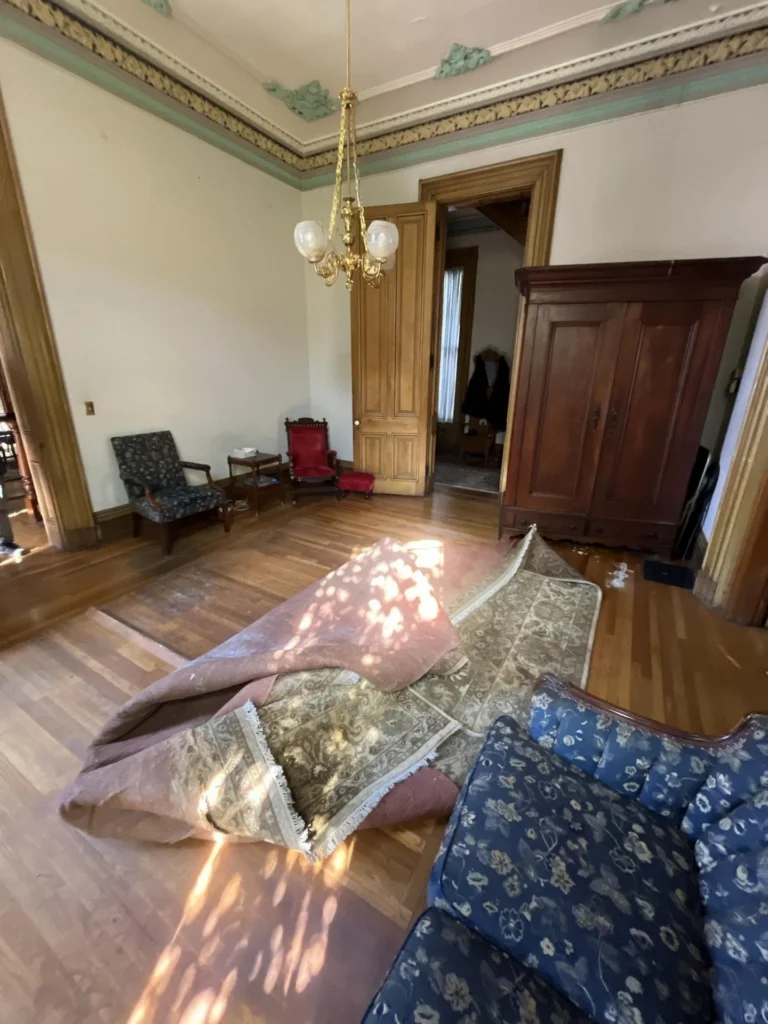
Crew arrived to find the original hardwood floors reading 82.9% moisture on the Extech M0290 pinless meter — a critical saturation level requiring immediate intervention to prevent irreversible cupping and structural decay in flooring that is irreplaceable in a home of this age and character. The Tempurpedic mattress was documented on the floor, area rugs were rolled back, and all historic elements — crown molding, plaster ceiling medallions, original millwork — were identified and photographed before any equipment was staged.
2
Ceiling collapse documentation — bedroom and adjacent room
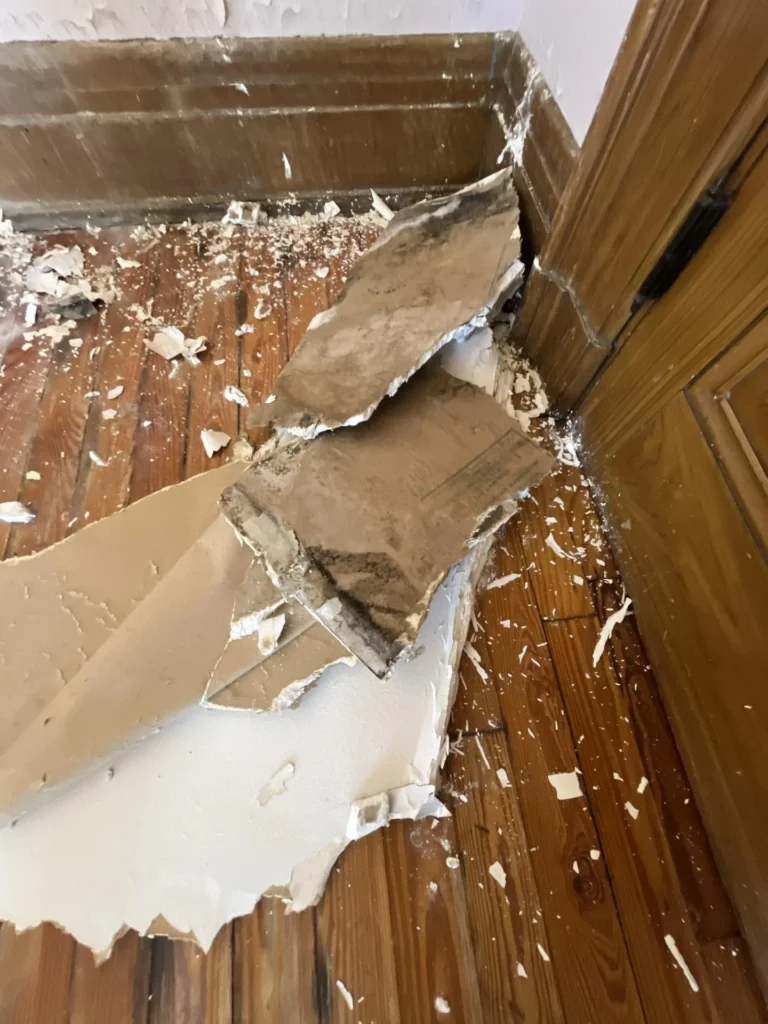
Plaster ceiling sections had collapsed at the light fixture location in the bedroom and in the adjacent room, dropping saturated plaster onto the original hardwood floor. Both collapse areas were documented in detail — ceiling cavity depth, insulation exposure, proximity to the chandelier wiring — before debris was cleared. The extent of the wall paint failure (peeling in full sheets from ceiling line to baseboard) was measured and photographed across all affected walls.
3
HVAC air handler assessment — upper room
The HVAC air handler unit in the upper room (35'8" × 15'8") was found to have water at its base with the condensate pan and drain line at risk. The unit was documented, shut down per protocol, and the surrounding carpet was extracted. Moisture readings were taken at the air handler base, the carpet pad, and the subfloor beneath to determine whether the unit had been compromised by the leak or was a secondary source.
4
Hardwood floor drying — specialized protocol for historic flooring
Given the 82.9% moisture reading in the original wide-plank hardwood, a hardwood floor drying protocol was implemented using drying mats positioned across the affected floor area. Air movers were staged along the perimeter and commercial dehumidifiers deployed in both the bedroom and the upper room. Moisture readings were logged at 12 contact points daily to track the drying curve and protect against over-drying, which can cause as much damage as the initial saturation.
5
Daily monitoring and insurance documentation
Moisture readings were tracked daily across all 12 contact points — hardwood floors, plaster walls, ceiling framing, and carpet in the upper room — until all readings returned to the dry standard. A complete adjuster-ready file was compiled: floor plan measurements (614 sq ft + 355 sq ft = 969 sq ft), moisture reading photographs, ceiling collapse documentation, historic elements inventory, HVAC assessment, and full before-and-after photo coverage of all 20 images.
H2O Restoration handles both mitigation and full reconstruction on historic properties — plaster ceiling repair, historic crown molding restoration, hardwood floor refinishing, period-appropriate paint matching, and HVAC coordination — with special attention to preserving original materials wherever possible. One team, from the first call through the final walkthrough.

"This house has been in our family for a long time and the idea of losing the original floors and the plasterwork was really upsetting. H2O understood that right away — they treated the house with care, documented everything that needed to be covered in the claim, and explained what they were doing at every step. The moisture reading they showed me when they first arrived was eye-opening. Really grateful they got here when they did."
Water damage in a historic home in Greater Cincinnati?
H2O Restoration responds 24/7 across Greater Cincinnati, Northern Kentucky, and surrounding communities. We understand historic properties require extra care — on site in 60 minutes or less, with the documentation your insurance claim needs.
CALL: (513) 909-6540