
Yes. Smoke and soot can travel through hallways, door gaps, and HVAC returns, which means rooms far from the fire can still be impacted. You might notice odor, light residue on walls or ceilings, or staining around vents and door frames even if the flames never reached that area. This matters because residue left behind can keep producing odor and can cause discoloration or surface damage over time. If you’re in Greater Cincinnati and suspect smoke spread, call (513) 909-6540 and we’ll help you determine what needs professional cleanup.
Fire Damage Restoration
A fire can change everything in minutes. Even when flames are contained, smoke, soot, and water from firefighting efforts can spread throughout a home or building and cause serious secondary damage. H2O Restoration provides fire damage restoration in Cincinnati and nearby areas with rapid response, careful assessment, soot and smoke cleanup, odor control, and structural drying when needed so you can stabilize the property and move forward with a clear plan.
CALL: (513) 909-6540After a fire, the damage you can’t see often causes the biggest problems
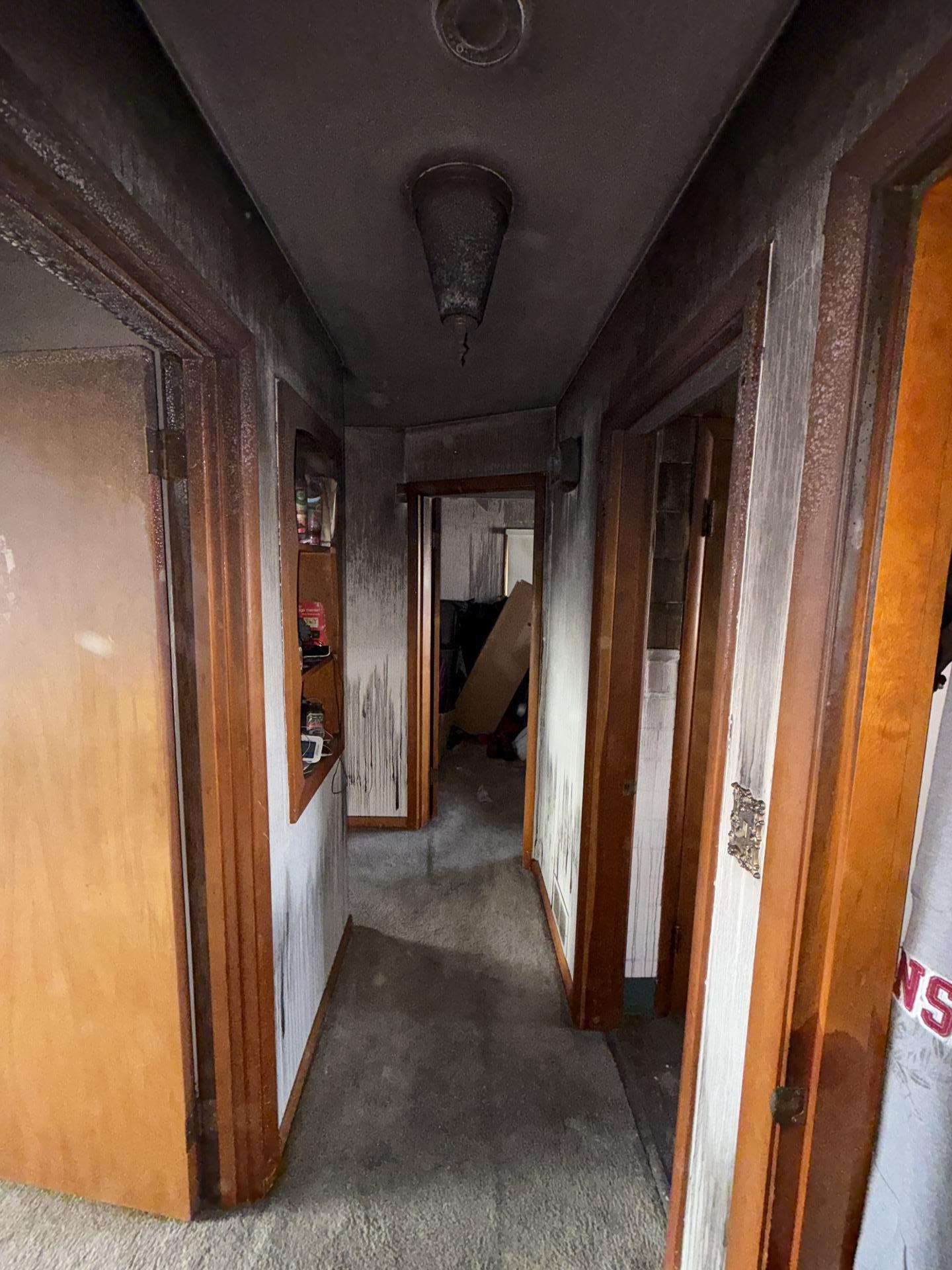
Fire damage isn’t only charred materials. Smoke and soot can travel through hallways, HVAC systems, and wall cavities, leaving behind corrosive residue and strong odor. In many situations, firefighting water also saturates floors, insulation, and framing, which can create additional issues if drying doesn’t begin quickly.
We help property owners in Greater Cincinnati recover from:
If you’re unsure whether you need full fire restoration or smoke cleanup, call us. We’ll help you understand what’s needed to restore safety and prevent long-term damage.

What our fire damage restoration service includes
Fire restoration is a multi-step process. We focus on stabilizing the property, removing hazardous residues, addressing odor, and guiding you through the next steps for repairs and rebuild.
Site assessment and safety-first planning
We inspect the affected areas to identify fire impact, smoke migration patterns, and soot contamination. We also evaluate structural concerns and moisture issues caused by firefighting efforts.
Soot and smoke residue cleanup
Soot can stain and damage surfaces and can be corrosive to certain materials. We clean affected areas using professional methods designed for fire and smoke conditions, targeting walls, ceilings, floors, and other impacted surfaces.
Odor control and air quality improvement
Smoke odor can linger even after visible cleanup if residue remains in porous materials and hidden spaces. We use odor control approaches designed for smoke-affected environments to help reduce lingering smells and improve indoor comfort.
Water removal and structural drying when needed
Many fire situations include water damage from suppression efforts. If materials are wet, we perform water extraction and professional drying to help prevent swelling, warping, and mold risk while the fire restoration is underway.
Handling of damaged contents and affected materials
Fire and smoke can impact furniture, clothing, and stored items. We’ll guide you on what may be salvageable and what needs removal, based on condition and safety. If certain building materials are too damaged or contaminated, we recommend practical next steps.
Documentation for insurance and claim support
Fire damage claims often require clear documentation. We provide photos, notes, and job information that can support the claim process and help communication with adjusters and other parties involved.
What to expect during the fire restoration process
We keep the restoration steps organized and easy to follow, even when the situation feels overwhelming.
1) Evaluate damage, smoke spread, and immediate hazards
We assess fire impact, identify smoke and soot spread, and check for areas that require urgent attention. We also look for water saturation from firefighting.
2) Stabilize the space and protect unaffected areas
We take steps to limit further damage and protect clean areas from soot tracking and ongoing contamination. This helps prevent the restoration from becoming a larger cleanup issue.
3) Remove soot residue and begin odor reduction
We clean soot and smoke residue from impacted surfaces and start odor control measures. This phase focuses on removing the source of odor, not just masking it.
4) Address moisture and dry affected structural materials
If water is present, we implement drying and humidity control with monitoring. This protects materials and helps prevent secondary issues while restoration progresses.
5) Confirm completion and map out repairs or rebuild
Once cleanup, odor work, and drying targets are achieved, we document the results and explain the repair path so you have a clear plan for rebuilding and returning to normal.
Cincinnati Homeowners Reviews
When people are dealing with water damage, speed and communication matter. Here is what local customers say about working with our team.
Many restoration companies stop after drying. We can also handle repairs to help bring your property back to pre-loss condition.
Why fire damage restoration in Cincinnati needs fast action
In Greater Cincinnati, fire damage restoration often involves more than what the flames touched. Smoke spreads quickly, and soot can settle in multiple rooms, even on different floors. Soot residue can also cause ongoing staining and corrosion if not cleaned properly.
Quick professional restoration helps:
The sooner restoration begins, the more you can often save.
CALL: (513) 909-6540Insurance support after a fire
After a fire, insurance can feel like another stressful layer on top of everything else. We keep it practical and focused on documentation and clarity.
We can help by:
Coverage depends on your policy, but documentation and timely stabilization help protect your property either way.
CALL: (513) 909-6540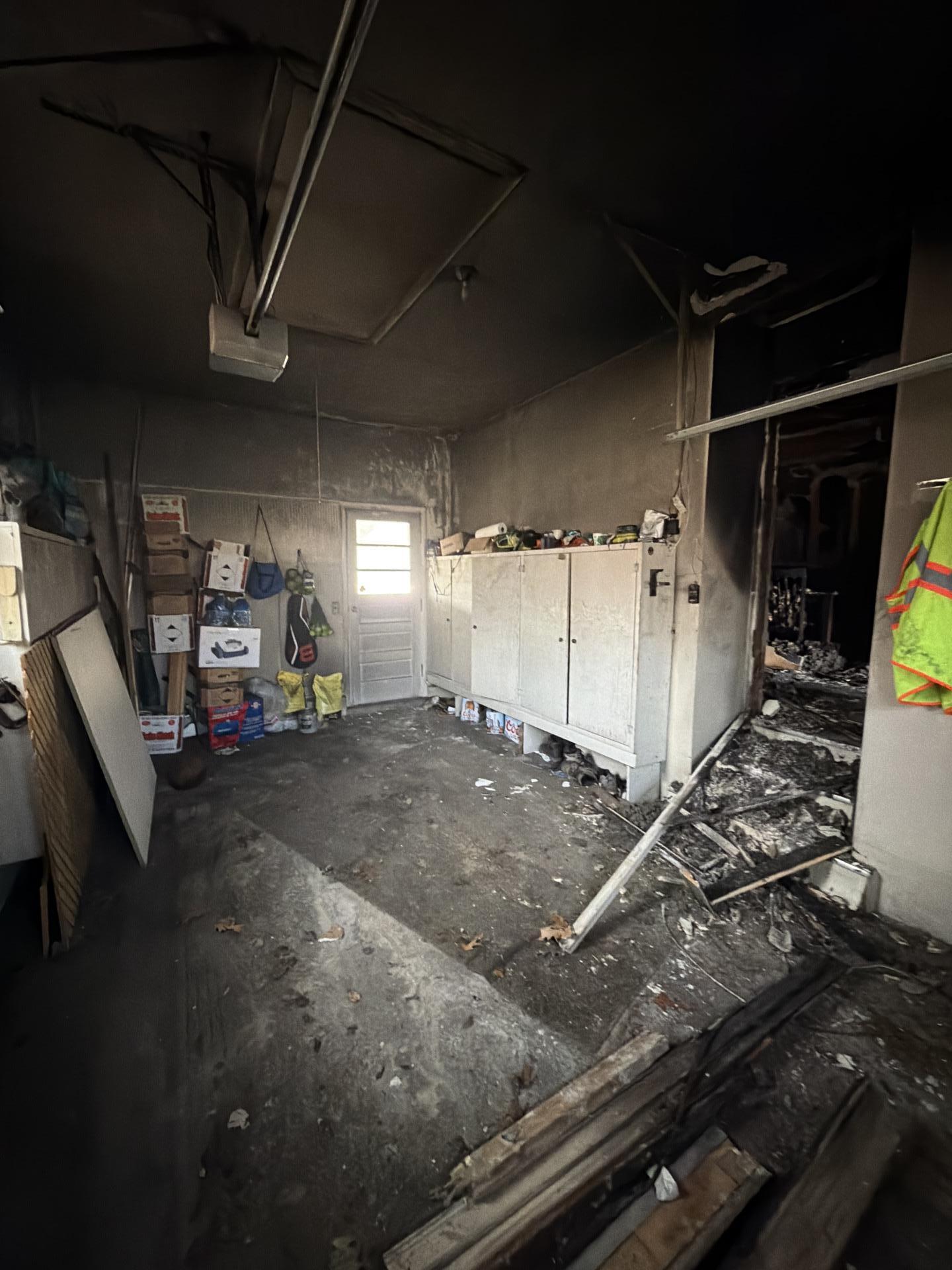
Serving Greater Cincinnati & Nearby Areas
Ohio
Kentucky
Signs you may still have smoke or soot damage after a fire
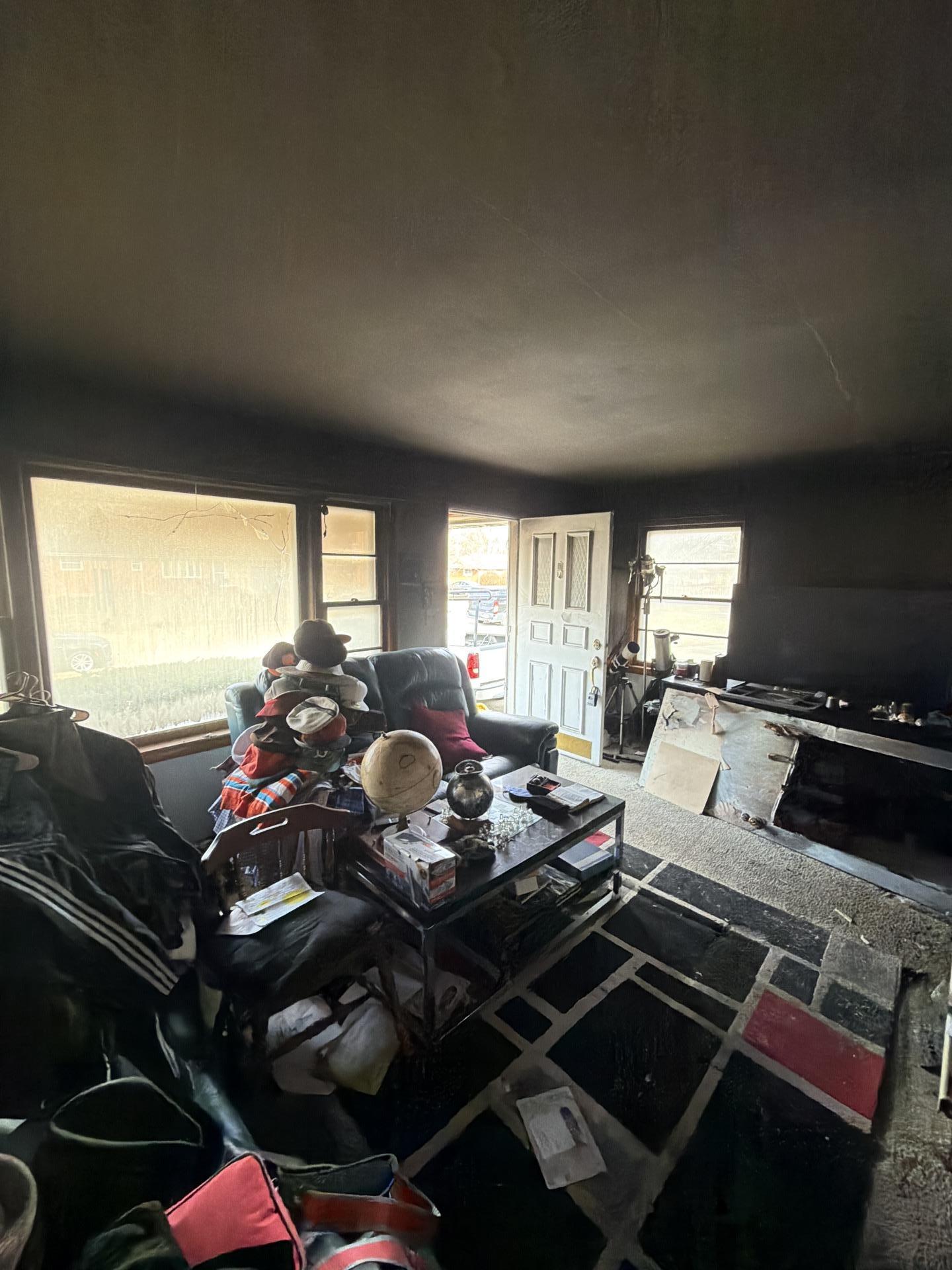
Some fire damage is visible. Smoke damage can be more subtle. If you notice any of the following after a fire or smoke event, it’s worth getting an assessment:
Even small fires can create smoke residue in places you don’t expect. Proper cleanup can prevent long-term odor and surface damage.
CALL: (513) 909-6540Frequently asked questions about fire damage restoration
Is it safe to stay in a home after a fire?
It depends on the extent of fire, smoke spread, and structural or electrical impact. Even if flames were contained, soot and smoke residue can affect indoor air conditions, and firefighting water can create hidden moisture. It’s best to have the property assessed for safety before occupying affected areas. If you’re in Greater Cincinnati, call (513) 909-6540 and we’ll help you understand what’s safest.
How do you remove smoke smell after a fire?
Smoke odor removal starts with removing the source—soot and smoke residue in surfaces, porous materials, and hidden spaces. If residue remains, odors often return, especially when humidity rises or HVAC runs. We use professional cleaning and odor control methods designed for smoke environments to reduce smell and improve air quality. The exact approach depends on the type of fire and how far smoke traveled.
What is soot, and why is it a problem?
Soot is a fine, dark residue left behind by incomplete combustion. It can stain surfaces, irritate airways, and be corrosive to certain materials over time. Soot also settles in corners, vents, and textured surfaces where it’s hard to remove without the right process. Professional cleanup helps reduce staining and prevents residue from spreading further.
Does fire damage restoration include water damage cleanup too?
Often, yes. Many fire events involve water from suppression efforts. That water can soak into floors, framing, and insulation, which needs extraction and professional drying. Addressing water damage quickly helps prevent secondary problems like swelling materials, odors, and mold risk during the fire restoration process.
Will insurance cover fire damage restoration?
Many policies cover fire and smoke damage, but coverage depends on your specific policy and circumstances. We help by documenting affected areas, restoration work, and moisture conditions when relevant, which can support the claims process. If you’re unsure what to do next, call us and we’ll help you understand what to document and what questions to ask your carrier.
How long does fire damage restoration take?
Timelines vary based on how widespread the damage is, how far smoke traveled, and whether water saturation is involved. Some small incidents can be stabilized quickly, while larger fires can require extensive cleanup, drying, and rebuild planning. We’ll explain the expected timeline after assessing the scope and conditions.
Can you restore items and contents after a fire?
Sometimes. Some contents can be cleaned and salvaged, while others may be too damaged by heat, smoke residue, or odor absorption. We’ll help you understand what’s realistically salvageable and what should be discarded based on condition and safety.
What should I do immediately after a fire is put out?
First, follow local authorities’ guidance before re-entering the property. Avoid touching soot-covered surfaces, because soot can smear and become harder to remove. Don’t run HVAC systems, as that can spread residue. If safe to do so, document visible damage with photos for insurance. Then call for professional fire damage restoration so cleanup and stabilization can begin promptly.
How much does fire damage restoration cost in Cincinnati?
Pricing depends on the size of the affected area, the amount of smoke and soot spread, the type of materials impacted, and whether water damage is involved. A small kitchen fire cleanup is very different from a whole-home fire loss. The best way to get accurate cost guidance is an on-site assessment. Call (513) 909-6540 and we’ll help you get clarity quickly.