
Flood Cleanup
Fast help for flooding, from water removal to drying
What’s included in our flood cleanup service
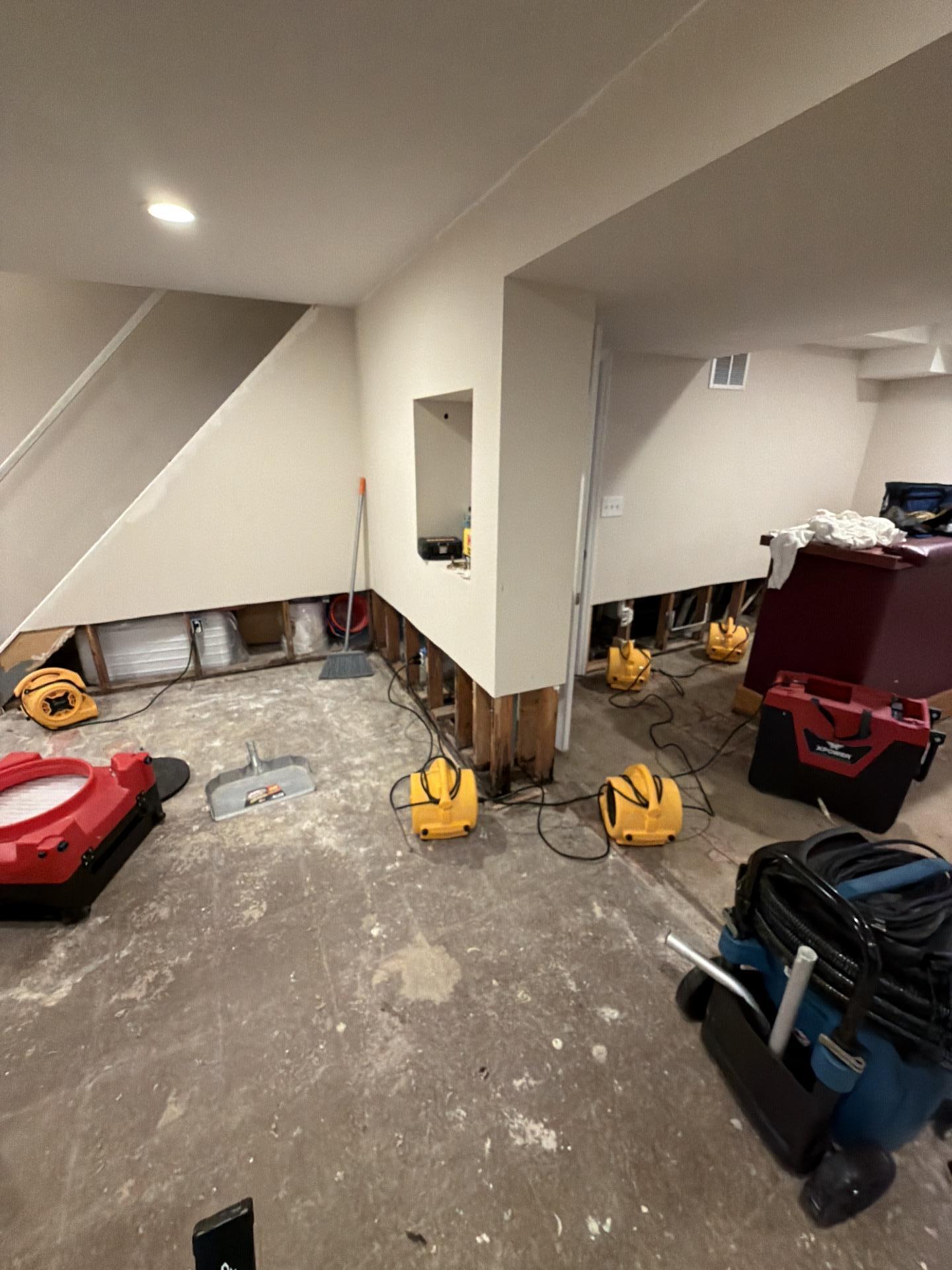
Emergency flood water removal
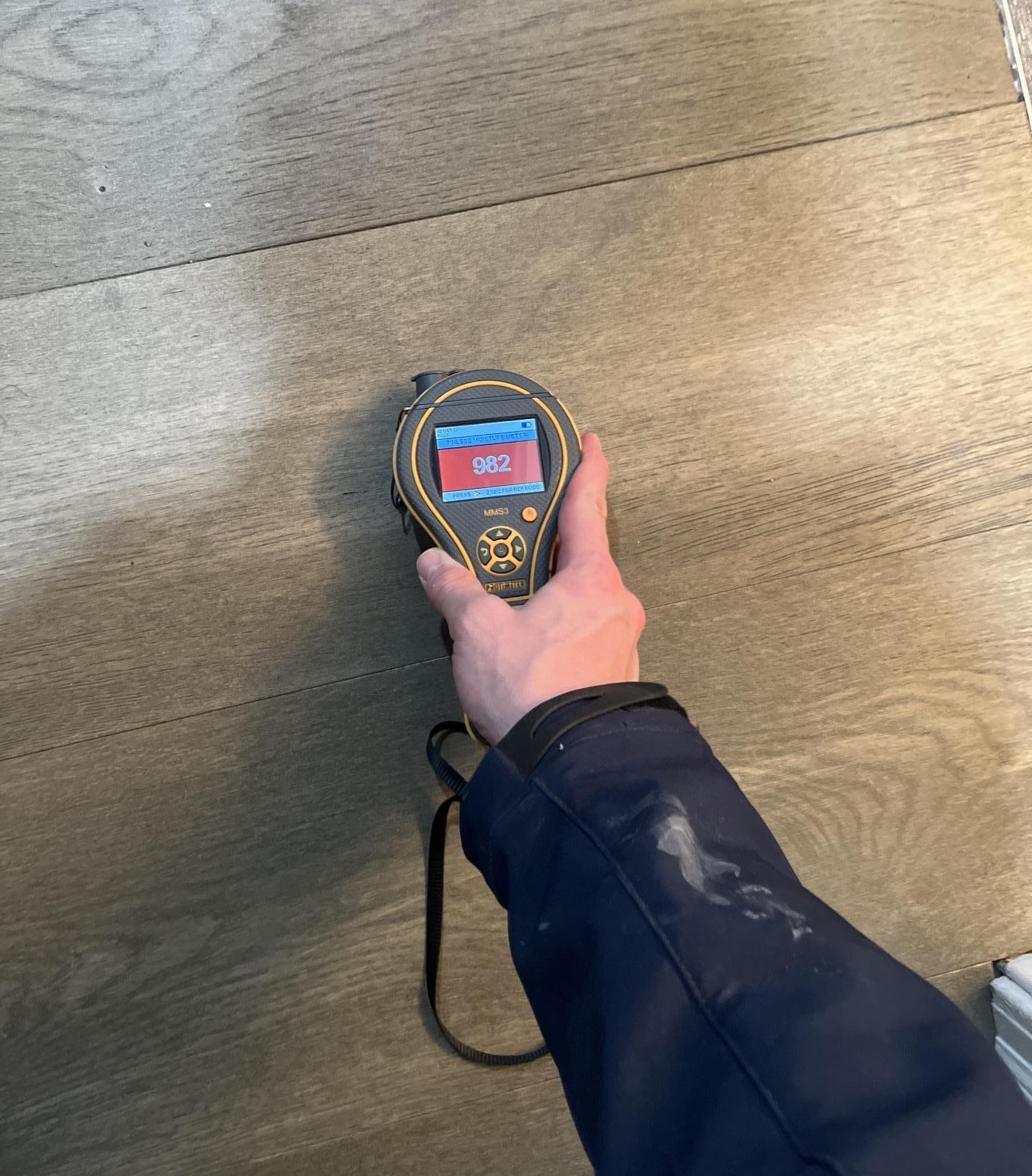
Moisture detection and affected-area mapping
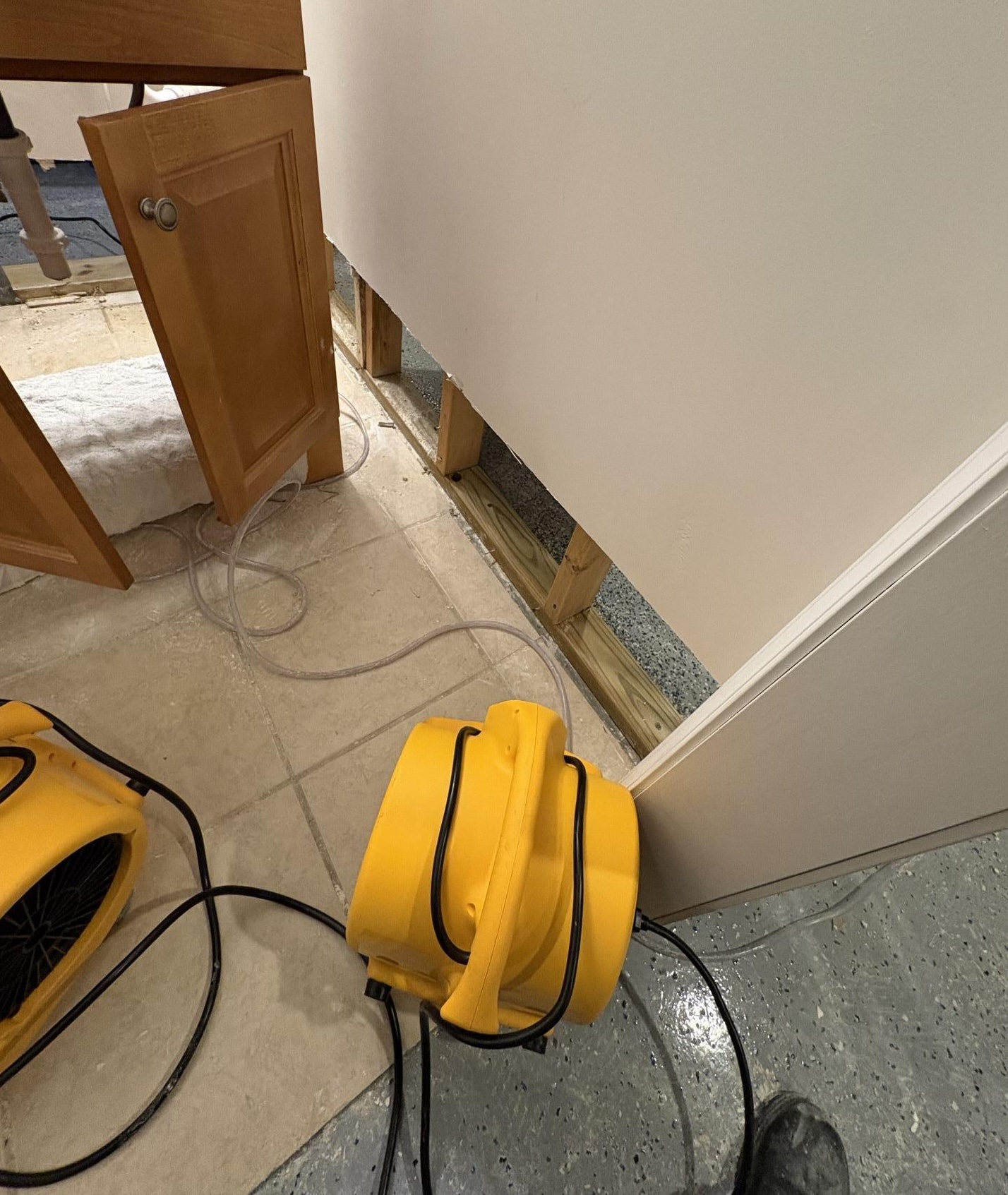
Structural drying and dehumidification
Monitoring and equipment adjustments
Cleaning guidance and documentation
Next steps for repairs and restoration
Our flood cleanup process
1) Rapid response and flood assessment
2) Water extraction and stabilization
3) Drying, dehumidification, and moisture mapping
4) Monitoring and adjustments
5) Drying complete and next-step guidance
Cincinnati Homeowners Reviews
Why fast flood cleanup matters in Cincinnati homes and basements
Help with insurance claims, without the headaches
Serving Greater Cincinnati & Nearby Areas
Ohio
Kentucky
Common signs you need professional flood cleanup
Frequently Asked Questions
How soon should I start flood cleanup after a basement floods?
Immediately. The longer water sits, the more it penetrates building materials and the harder it is to prevent secondary damage. In many cases, damage can begin within hours, especially to drywall, flooring, and insulation. If it’s safe, stop the source of water and avoid electrical hazards, then call for professional water removal and drying. If you’re in Greater Cincinnati, call (513) 909-6540 for help right away.
How long does flood cleanup take?
It depends on how much water entered the space and what materials were affected. Water removal may happen quickly, but drying often takes several days because moisture can remain trapped under flooring and inside walls. We monitor moisture levels and adjust equipment until drying targets are met. The goal is to dry properly, not just dry what looks wet.
Is flood cleanup different from water damage restoration?
Flood cleanup is a type of water damage restoration, but it often involves more widespread saturation, especially in basements and lower levels. Flood cleanup typically requires aggressive extraction, careful moisture mapping, and thorough drying. Depending on the source of water, it may also involve additional cleaning steps. We evaluate the situation and follow the safest and most effective approach for the property.
Can I clean up a flood myself?
For very small, clean-water situations, you may be able to remove some water. But many floods involve hidden moisture and soaked materials that don’t dry properly without professional equipment. DIY cleanup can leave moisture behind walls or under flooring, leading to odors, warped materials, and mold risk. If your basement flooded in Cincinnati or nearby areas, it’s best to get a professional assessment quickly.
Will insurance cover flood cleanup?
Coverage depends on the source of the flooding and your policy. Some events may be covered under homeowner’s insurance, while others may require separate flood insurance. The best approach is to document what happened and call your carrier to confirm coverage. We can help by providing photos, moisture readings, and drying documentation to support the work performed.
Can a flooded basement cause mold?
Yes. Mold risk increases when wet materials aren’t dried properly and quickly. Even if the surface looks dry, moisture can remain behind baseboards, inside wall cavities, and under flooring. That’s why professional drying and moisture detection are so important after a flood. If you’re worried about mold after flooding, call (513) 909-6540 and we’ll help you evaluate the situation.
Do I need to remove drywall after a basement flood?
Not always, but sometimes. If drywall absorbed water, swelled, or was exposed to contaminated water, removal may be necessary to properly dry the structure and prevent odor or mold issues. The right decision depends on how high the water got, how long it sat, and what type of water it was. We assess materials and help you make the safest and most practical choice.
What should I do first if my basement floods in Cincinnati?
If it’s safe, avoid electrical hazards and do not walk through standing water if you’re unsure about power. Stop the source if possible, such as shutting off water or checking the sump pump. Then call for professional flood cleanup and drying. While waiting, move small valuables to a dry area if it can be done safely. For emergency help in Greater Cincinnati, call (513) 909-6540.
How do you know when the flooded area is fully dry?
We don’t rely on “it feels dry.” We use moisture readings to confirm drying progress and to verify that materials have reached proper targets. Flood moisture can remain under floors and in walls even after the surface dries. Monitoring and verification are what help prevent hidden moisture problems later.
How much does flood cleanup cost in Cincinnati?
Costs depend on the amount of water, how far it spread, how long it sat, and which materials were affected. A small area of seepage is very different from a fully flooded basement. The most accurate way to price flood cleanup is an on-site assessment with moisture checks and scope review. If you’re in Cincinnati or nearby areas, call (513) 909-6540 and we’ll help you get clarity quickly.