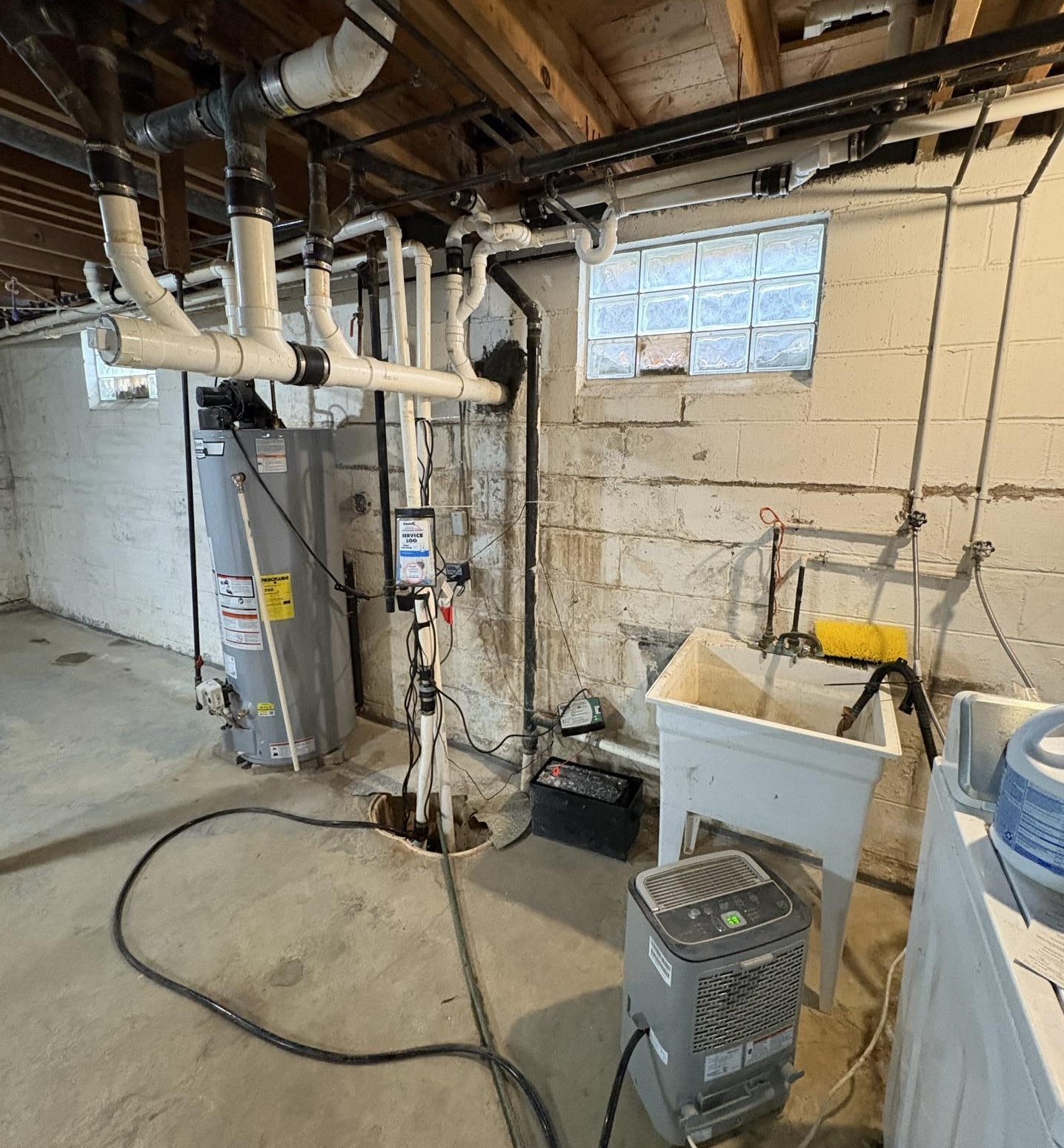
Flooded Basement Cleanup

A flooded basement can go from “a mess” to major damage in a hurry. Water spreads under flooring, soaks into drywall and insulation, and can leave behind odors and lingering moisture that causes long-term problems. H2O Restoration provides flooded basement cleanup across Cincinnati and nearby communities with rapid response, professional water removal, and thorough drying so your lower level can be stabilized the right way.
CALL: (513) 909-6540

Basement flooding is different, and it needs a targeted approach
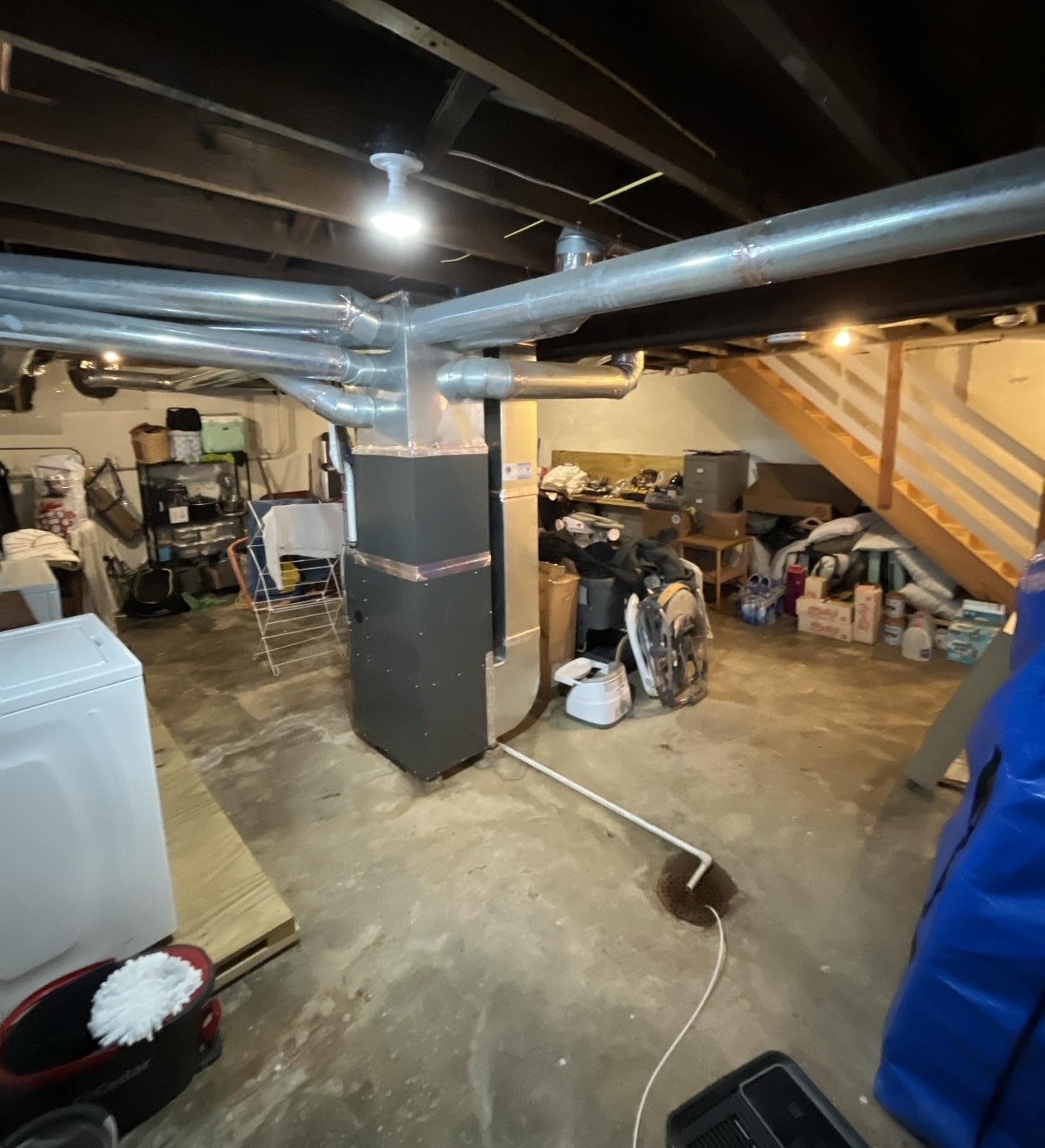
Basements are built differently than main floors. Water often pools in low spots, saturates carpet and padding quickly, and creeps into baseplates, wall cavities, and subfloors. Even when the standing water is gone, hidden moisture can remain behind finished walls and beneath vinyl, laminate, or carpet.
Our flooded basement cleanup service is designed specifically for lower-level water issues, including:
If you’re seeing water, smelling mustiness, or noticing damp walls, it’s worth getting a professional assessment quickly.

What our flooded basement cleanup includes

We focus on stabilizing the basement, removing water efficiently, drying the structure properly, and helping you understand the next step for repairs or rebuilds. Every basement flood is different, so we build the plan around what’s actually wet, not what we assume is wet.

Basement water extraction and pump-out

We remove standing water from basement floors and low points using professional extraction equipment. If the basement has significant water depth, we handle pump-out safely and move into extraction and drying as soon as conditions allow.

Moisture checks in walls, floors, and hidden areas

Basement floods often push moisture into places you can’t see. We check drywall, baseboards, framing, subfloors, and flooring transitions using moisture detection tools. This helps us locate hidden wet zones and reduce the risk of missed moisture that causes odors and mold later.

Drying and dehumidification for lower-level spaces

Basements hold humidity. We set up commercial-grade air movers and dehumidifiers designed to pull moisture from structural materials and control indoor humidity. This is critical for basements because they dry slower than upper levels and can trap damp air.

Ongoing monitoring and drying verification

Drying is not guesswork. We monitor moisture readings and adjust equipment placement to keep drying effective. When the job is complete, we verify dryness based on readings, not appearance.

Cleanup notes and insurance-friendly documentation

If you’re dealing with insurance, documentation can make the process easier. We provide photos, notes, and moisture readings when needed to support the scope of work and the drying process. If appropriate, we can coordinate with your adjuster to help keep things clear.

Guidance on repairs and rebuild decisions

After drying, we help you understand what materials can be saved and what may need replacement. Some basement floods only require drying and minor repairs. Others require partial demo, especially if materials were heavily saturated or contaminated. Either way, you’ll get a clear, practical plan.

How we handle a flooded basement from start to finish

We keep the cleanup organized and predictable so you know what’s happening, even in a stressful situation.

1) Assess the flooding and identify the source

We evaluate the basement, confirm where water is coming in, and identify what areas are affected. This includes checking finished walls, utility areas, and flooring transitions that often hide moisture.

2) Remove standing water and stabilize the area

We remove standing water and take steps to stabilize the space. This may include removing saturated materials when necessary, setting up airflow, and preparing the area for effective drying.

3) Set up drying equipment based on real moisture readings

We create a targeted drying setup for basements, using airflow and dehumidification to pull moisture out of materials and control humidity levels.

4) Monitor progress and fine-tune the drying plan

We track moisture levels as drying continues. Basements can have stubborn damp zones, so monitoring and equipment adjustments are key to a complete dry-out.

5) Confirm dryness and outline next steps for restoration

Once moisture targets are reached, we document completion and discuss repair recommendations so you can move forward with confidence.

Cincinnati Homeowners Reviews

When people are dealing with water damage, speed and communication matter. Here is what local customers say about working with our team.
Many restoration companies stop after drying. We can also handle repairs to help bring your property back to pre-loss condition.

Why basement floods in Cincinnati need fast action

In Greater Cincinnati, basement flooding can happen during heavy storms, quick snow melts, and periods of sustained rain. Many homes also deal with foundation seepage or drainage issues that push water into lower levels. The problem is that basements don’t dry quickly on their own, and trapped moisture can create lingering odors and damage even after the visible water is gone.
Quick professional basement water removal and structural drying can help protect:
The sooner you act, the easier it is to prevent the flood from turning into a bigger restoration project.
CALL: (513) 909-6540

Insurance support for flooded basements
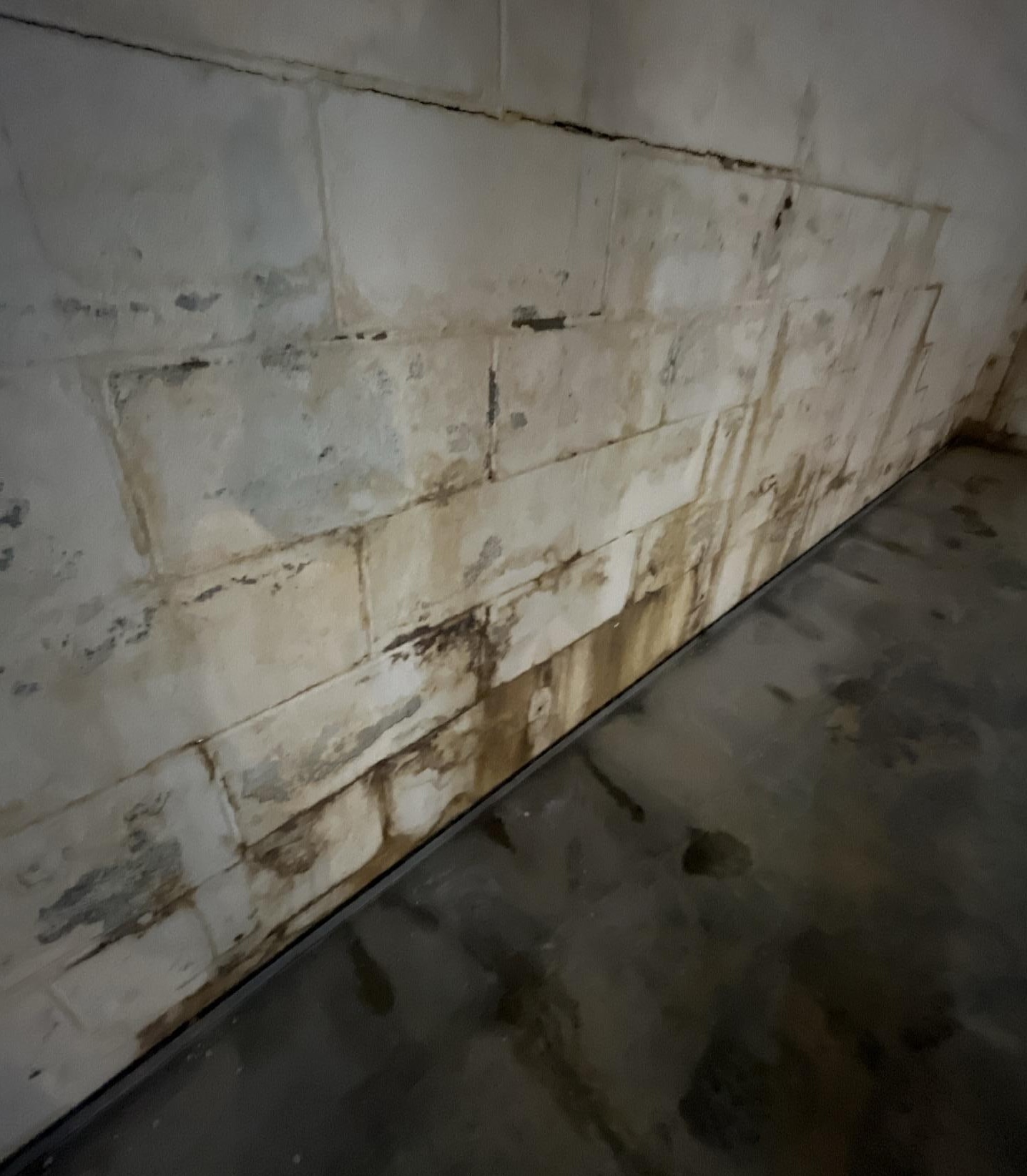
Basement flooding can be confusing from an insurance standpoint because coverage depends on what caused the water. Some situations may be covered under homeowner’s insurance, while others may involve separate flood coverage.
We help keep it simple by:
If you’re unsure whether to file a claim, call us. We’ll help you understand what to document and what questions to ask your carrier.
CALL: (513) 909-6540

Serving Greater Cincinnati & Nearby Areas

Ohio

Kentucky
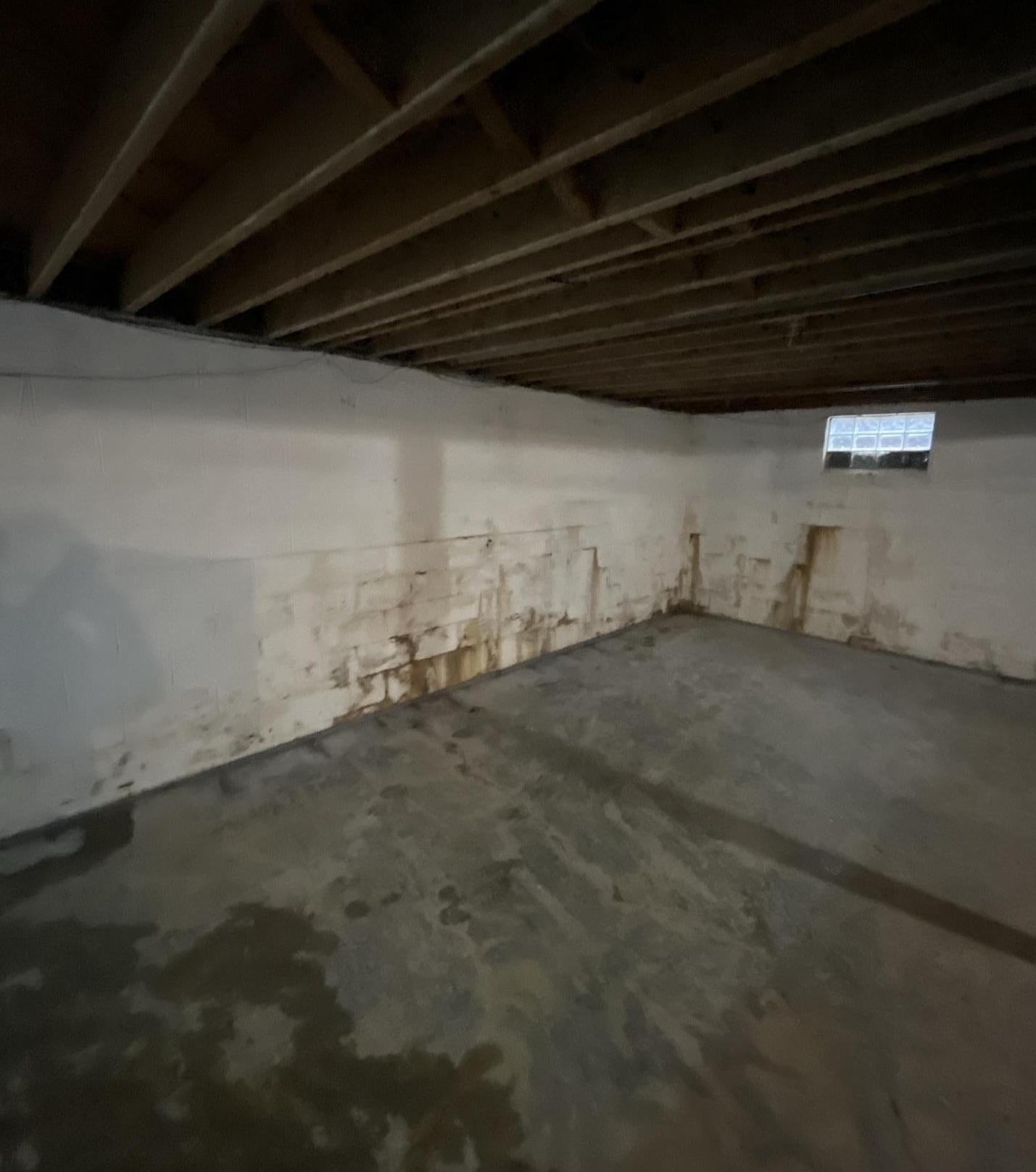
Signs your basement needs professional cleanup, not just fans

A box fan and a shop vac can help with small surface water, but they won’t solve hidden moisture. If you notice any of the following, it’s time to bring in a professional:
These signs often point to moisture trapped in materials, which can lead to bigger issues if not dried correctly.
CALL: (513) 909-6540

Frequently Asked Questions

Right away. The first priority is safety, especially around electrical panels, outlets, and appliances. Once it’s safe, the faster you start water removal and drying, the better. Basement materials absorb water quickly, and moisture can spread behind walls and under floors within hours. If you’re in Greater Cincinnati, call (513) 909-6540 and we’ll guide you on the safest next step.

If it’s safe, avoid areas with standing water near electrical outlets or equipment. Stop the source if you can, such as shutting off a supply line or checking the sump pump. Don’t run fans if water is pushing into wall cavities, because airflow can move moisture deeper. The best move is to call for professional basement water removal so the structure can be dried properly.

Drying time depends on how much water entered, how long it sat, and what materials were affected. Many basement dry-outs take several days because lower levels trap humidity and moisture can get under floors and into wall cavities. We use moisture readings to track progress and confirm when the basement is actually dry, not just “looks dry.”

Sometimes, but often padding needs to be removed because it holds water and dries poorly. Carpet may be salvageable depending on how long it was wet and what type of water entered the basement. We assess the situation, explain what can realistically be saved, and recommend the safest option for your basement.

Not always, but it’s common when water reaches the bottom of finished walls. Drywall can trap moisture, and insulation behind it can stay wet. In some cases, selective removal is needed to dry the structure and prevent odors or mold growth. We check moisture levels and recommend removal only when it’s necessary.

Yes, especially if the area isn’t dried thoroughly. Basements are naturally more humid, and trapped moisture behind walls or under flooring can create conditions where mold can grow. Professional drying, dehumidification, and moisture verification are what reduce the risk.

Coverage depends on the cause. A burst pipe may be handled differently than storm flooding or groundwater intrusion. The best approach is to document what happened and call your carrier. We can provide photos and drying documentation to support the work performed and help keep the claim process clearer.

Yes. We can help with cleanup and drying after each event, and we can also point out common entry patterns we see during our assessment, such as window wells, foundation seepage, or drainage issues. If your basement floods repeatedly in Cincinnati, it’s important to address the cause, not only the cleanup.

We use moisture readings to verify dryness in materials like drywall, framing, and flooring. The surface may feel dry while moisture remains underneath. Verification is what helps prevent lingering odors and long-term damage after a basement flood.

Pricing depends on water depth, affected materials, and how far moisture traveled. A small utility-room leak is very different from a finished basement flood. The best way to get accurate cost guidance is an on-site assessment with moisture checks. Call (513) 909-6540 for fast help in Greater Cincinnati and we’ll give you clear next steps.