
Trusted Water Damage Restoration for Fort Mitchell Homes
Request Service
Our Water Cleanup and Repair Services
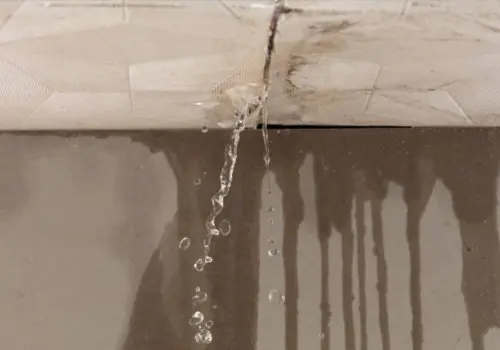
Leaking Pipe Cleanup
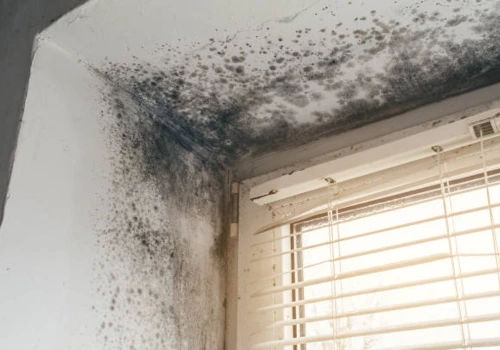
Ceiling Leak Repair
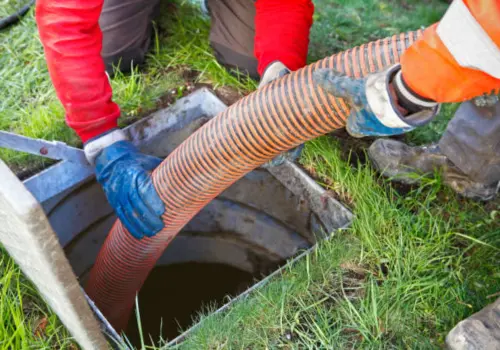
Sewage cleanup
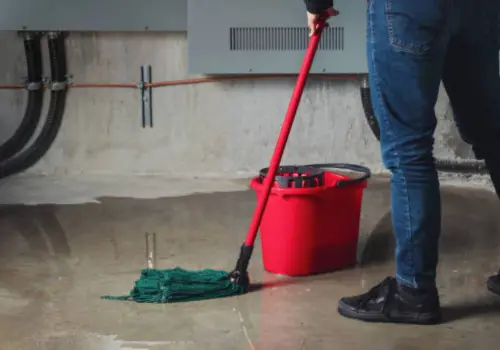
Flood cleanup
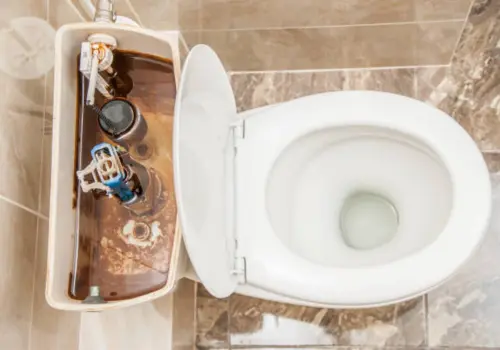
Toilet Overflow Cleanup
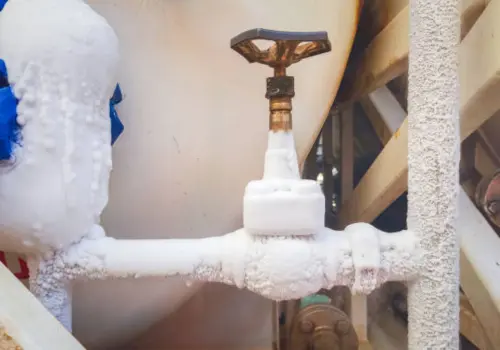
Frozen Pipe Damage Repair
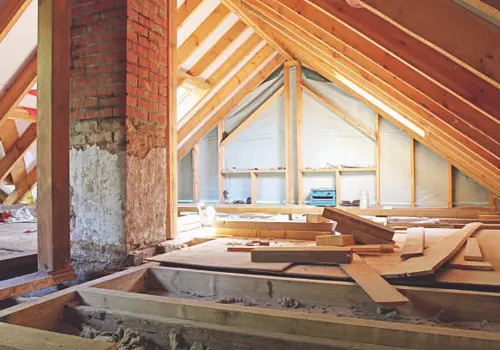
Attic Leak and Repair
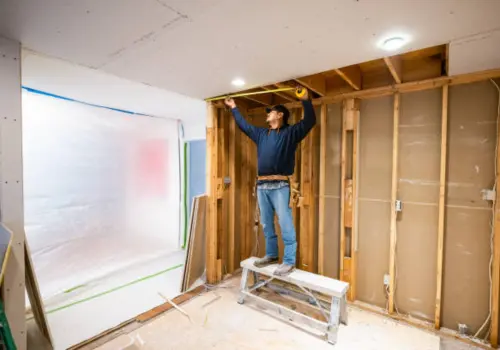
Drywall Repair After Water Damage
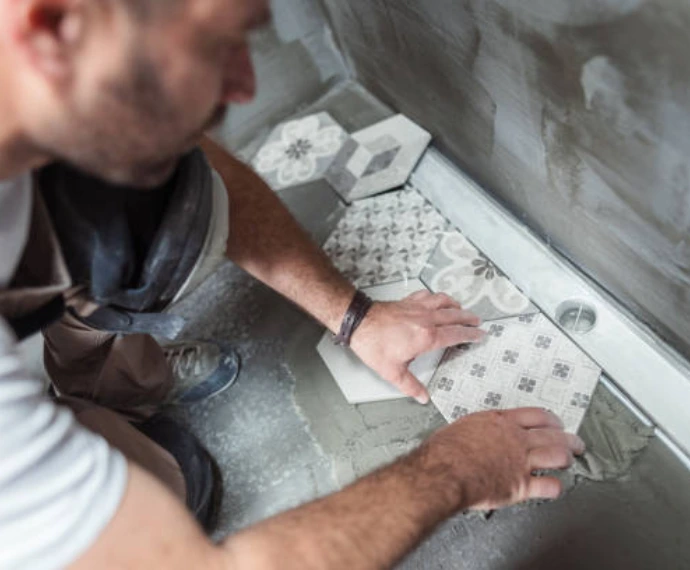
From Water Removal to Finished Repairs
Helping Fort Mitchell Homes and Businesses Recover
What Usually Causes Water Damage in Our Area?
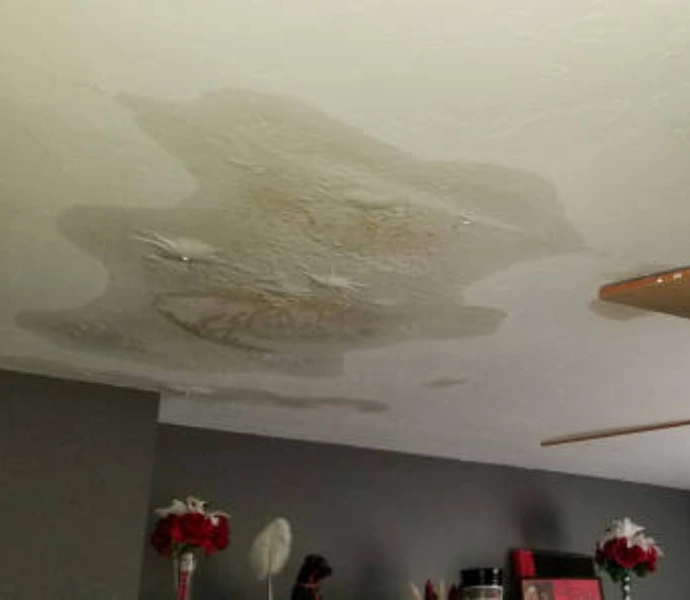
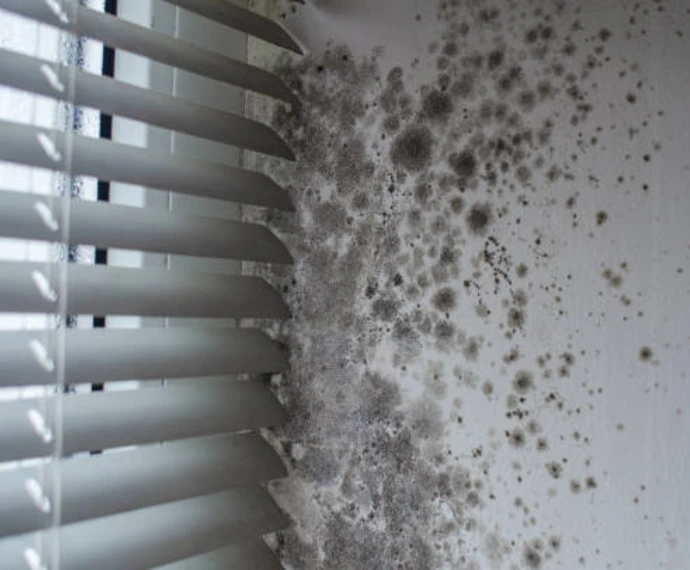
Worried About Mold After a Leak?
24/7 Emergency Response for Water Disasters
We Work With Major Insurance Providers




















How We Assist With Your Insurance Claim
Additional Water Damage Situations We Handle
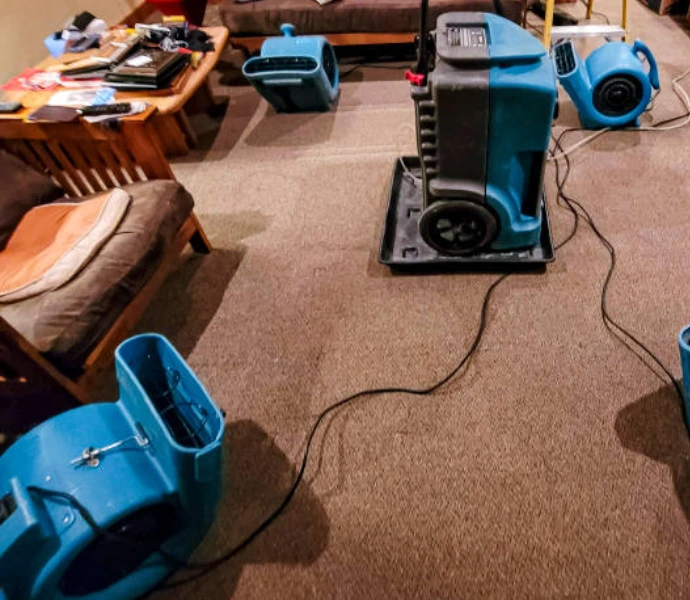
Explore Our Other Restoration Services
Mold Removal & Remediation
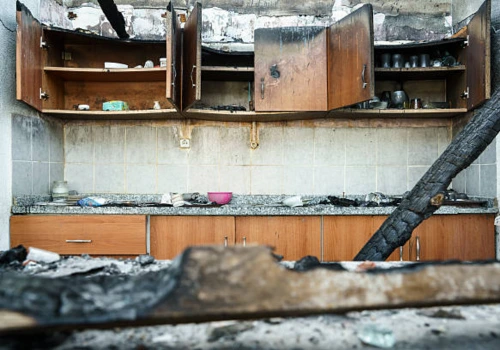
Fire Damage Restoration
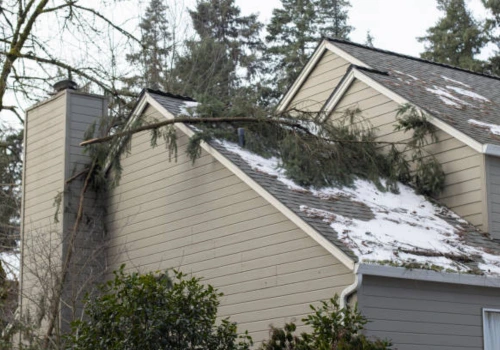
Storm Damage Restoration
What Fort Mitchell Homeowners Are Saying
Why Homeowners Trust H2O Restoration
Frequently Asked Questions About Water Damage
How much does water damage repair cost in Fort Mitchell?
The cost varies greatly based on the water source, affected area size, and materials damaged. Minor leaks may cost a few thousand dollars, while major flooding can be more. We provide a free, detailed estimate after an inspection. Most importantly, we work with your insurance to maximize your policy benefits.
What should I do first when I find water damage?
First, stop the water source if it’s safe (like shutting off the main water valve). Then, call a professional restoration company immediately. Remove small items from the floor if you can do so safely, but avoid using household vacuums on water and don’t enter rooms with standing water near electrical outlets.
How long does it take to dry out a house after a flood?
A typical residential drying process takes 3-5 days with professional equipment. However, this depends on the amount of water, the materials affected, and the indoor humidity. We use moisture meters to monitor progress daily until everything meets dry standards.
Does homeowners insurance cover water damage from a leak?
It depends on your specific policy and the suddenness of the leak. Sudden, accidental events like a burst pipe are often covered. Slow, long-term leaks are typically not. We help document the damage thoroughly for your claim but always recommend you review your policy or speak with your agent for coverage details.
Can water damage cause mold?
Yes. Mold can begin growing within 24-48 hours on wet materials. That’s why a fast, professional response is critical. Proper drying and dehumidification are the best ways to prevent mold growth after a water incident.
What's the difference between water mitigation and restoration?
Mitigation is the immediate action to stop further damage: extracting water, drying, and boarding up. Restoration is the repair and rebuild phase: replacing drywall, flooring, and paint to return your home to its pre-loss condition. We provide both services.
How do you dry out walls and floors you can't see?
We use moisture detectors and infrared cameras to find hidden moisture. Then, we create drying pathways by removing baseboards or drilling small, strategic holes to insert drying tubes (air movers) into wall cavities and under floors.
Do I need to move out during water damage repairs?
Not always. For small, contained leaks, you can often stay. For larger losses with significant drying equipment or reconstruction, temporary relocation might be safer and more comfortable. We can advise you based on the specific situation.
How do I choose a good water damage restoration company?
Look for 24/7 availability, proper certifications (like IICRC), good communication, and clear explanations of the process. Check reviews and ask if they handle both the drying and the rebuild. A reputable company will never pressure you and will work openly with your insurance.
Who handles the plumbing repair for a burst pipe?
We stop the water and handle all the resulting water damage restoration. For the actual pipe repair, we can recommend licensed, trusted plumbers we work with regularly, or you are free to use your own.