
Water Damage Cleanup and Restoration in Mariemont, OH
Request Service
Cleanup and Repair Services We Handle
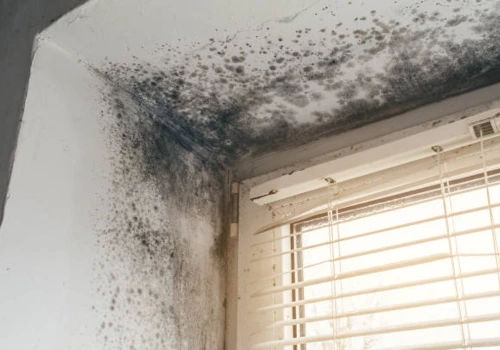
Leaking pipe cleanup
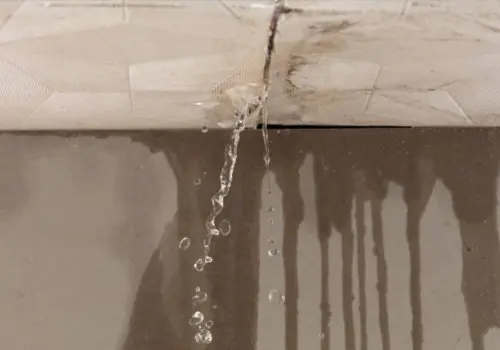
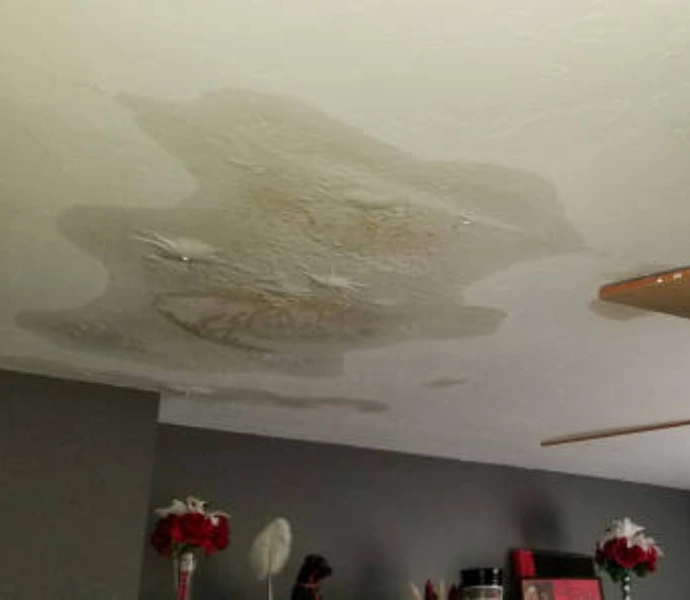
Ceiling leak cleanup
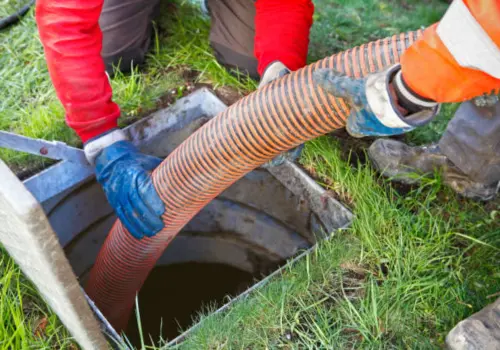
Sewage cleanup
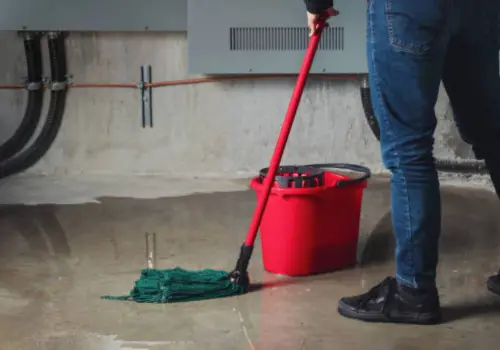
Flood cleanup
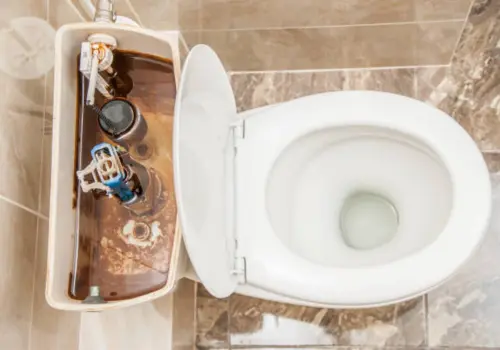
Toilet overflow cleanup
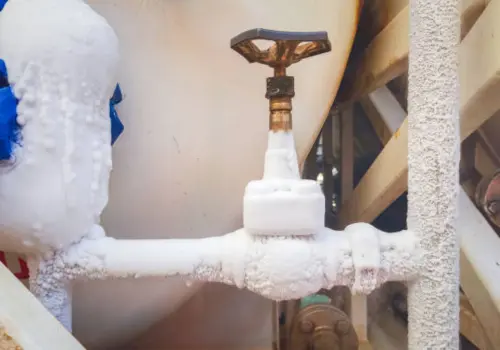
Frozen pipe damage repair
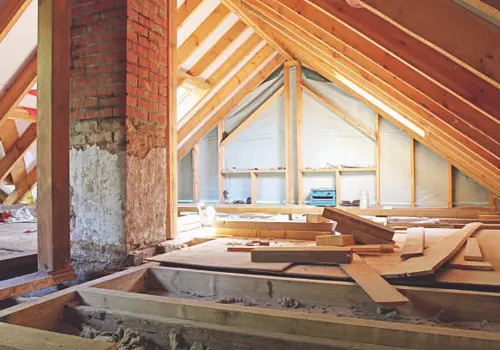
Attic repair
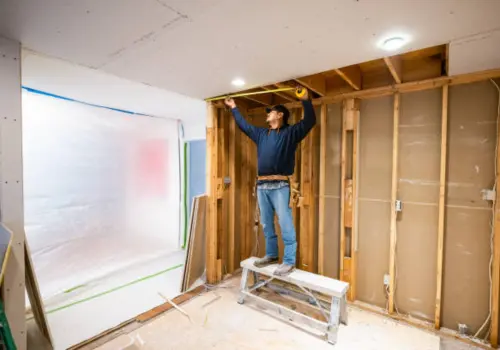
Drywall repair
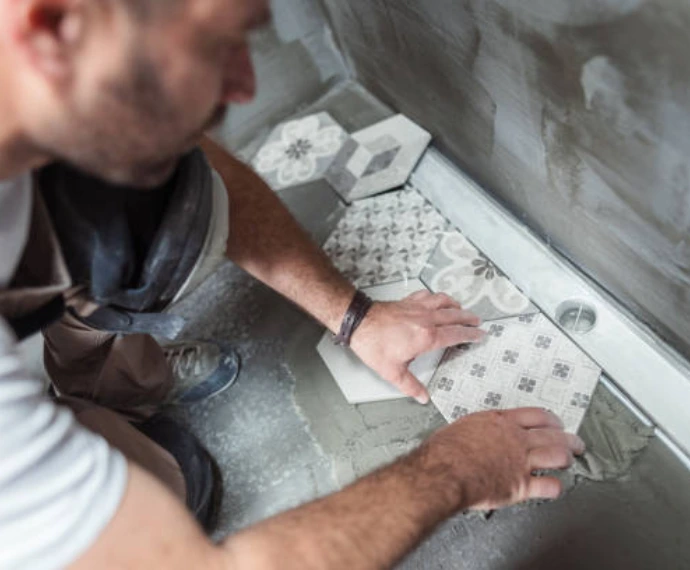
Repairs and Build-Back After Drying
Helping Mariemont Homes and Small Businesses Get Back to Normal
What Usually Causes Water Damage Around Here
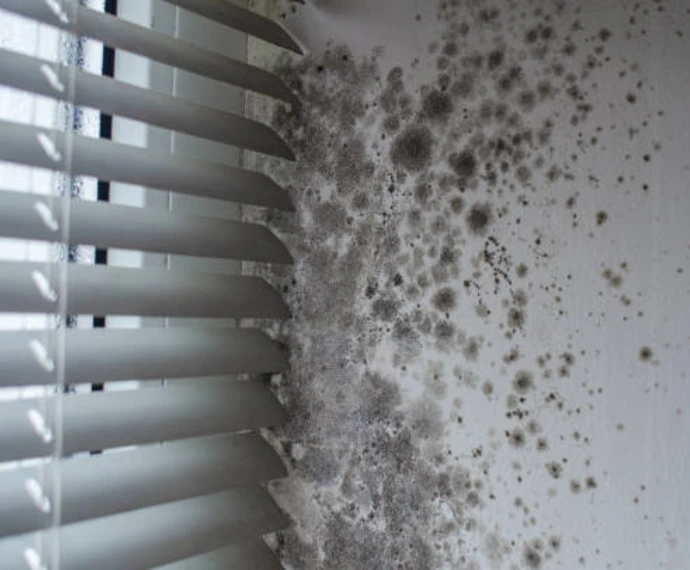
Worried About Mold After a Leak?
Emergency Water Cleanup, 24/7
Insurance Partners We Commonly Work Around


















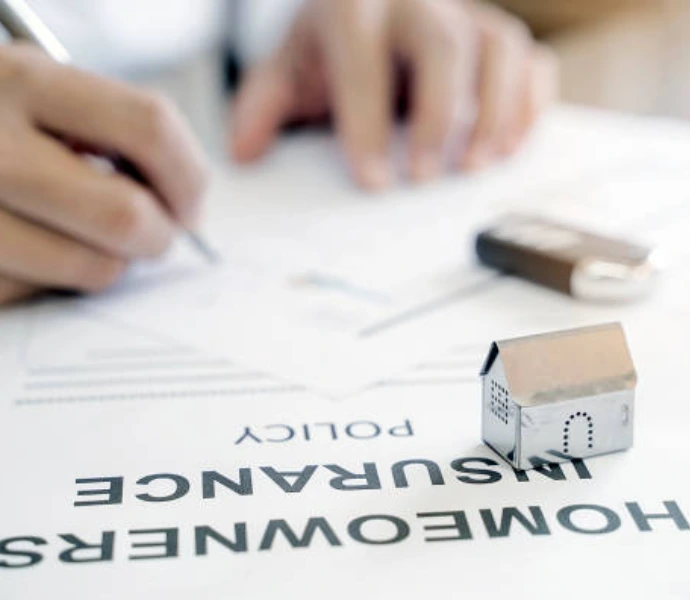
Help With Claim Documentation and Paperwork
Extra Help for Tricky Water Damage Situations
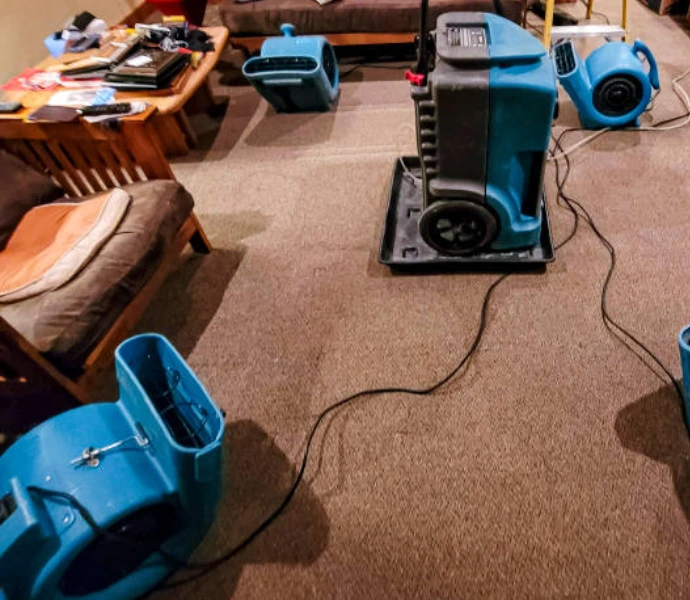
Other Restoration Help If the Job Turns Bigger
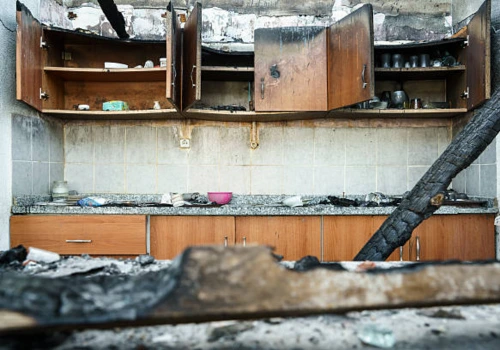
Fire Damage Restoration
Mold Removal & Remediation
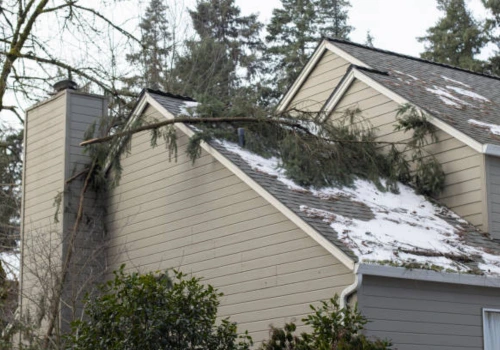
Storm Damage Restoration
What Mariemont Homeowners Notice About Working With Us
Credentials and Affiliations of H2O Restoration
Got Questions About Water Damage in Mariemont?
What should I do first right after I notice water damage?
Stop the water source if it’s safe and avoid any electrical hazards. Then move small valuables, take quick photos, and call for help to start drying before moisture spreads.
What is the difference between water cleanup and water damage repair?
Cleanup is removing water and drying the structure. Repair is rebuilding what was damaged, like drywall, trim, paint prep, or flooring after drying is complete.
How can I tell if water traveled under my flooring?
Common signs include cupping, soft spots, loose planks, or damp edges near baseboards. The sure way is moisture readings that check the layers you cannot see.
Do wet walls always need to be opened up?
Not always, but wet drywall can trap moisture behind it. A moisture check helps decide whether drying can work from the outside or if damaged sections need to be removed.
How long does it take to dry out a home after a leak?
Drying can take several days depending on materials and how far the water traveled. Moisture readings guide the process, and repairs should wait until the structure is actually dry.
When does mold become a concern after water damage?
Mold risk can rise within a common 24–48 hour window if materials stay damp. Fast drying and removing unsalvageable materials are the best ways to lower that risk.
Is a sewage backup safe to clean on my own?
It can be unsafe because sewage can contain harmful contaminants. Professional cleanup focuses on safe removal, sanitation, and drying nearby areas that absorbed moisture.
What should I photograph for insurance after water damage?
Photograph the source area, the affected rooms, and damaged materials before they are moved if possible. Also capture any water lines, stained areas, and close-ups of damaged items.
How do you know when it’s safe to start repairs?
Repairs should begin after drying is confirmed with moisture readings, not just when things look dry. That reduces the risk of trapping moisture behind new finishes.
What repairs are most common after drying is done?
Drywall repair, baseboard replacement, paint prep, and flooring repairs are common. The exact repairs depend on what materials were affected and what could be saved.