
Trusted Water Damage Restoration for Mount Lookout Homes
Request Service
Water Damage Cleanup and Repair Services We Handle
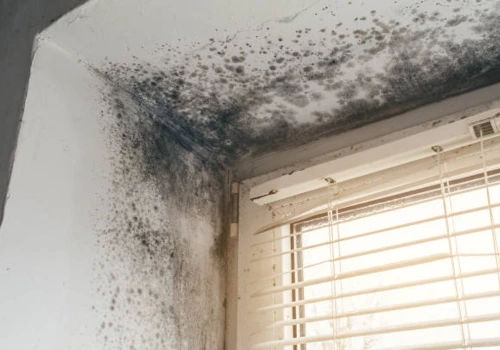
Leaking pipe cleanup
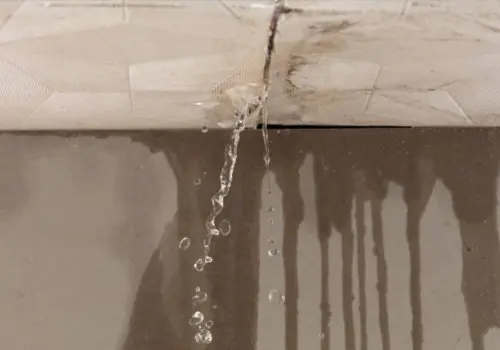
Ceiling leak cleanup
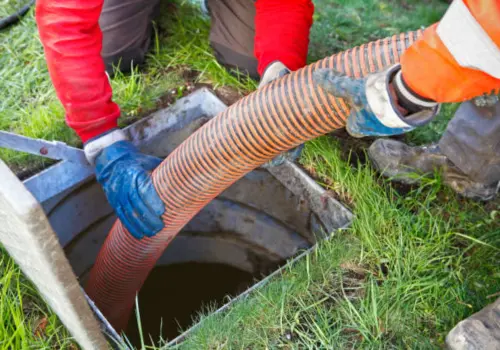
Sewage cleanup
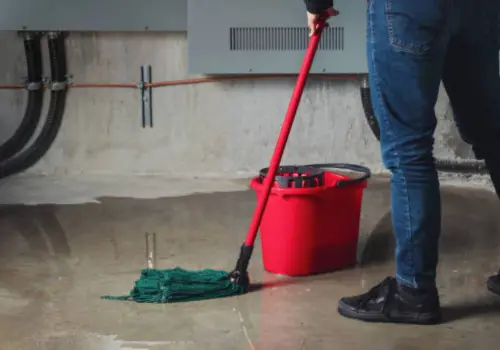
Flood cleanup
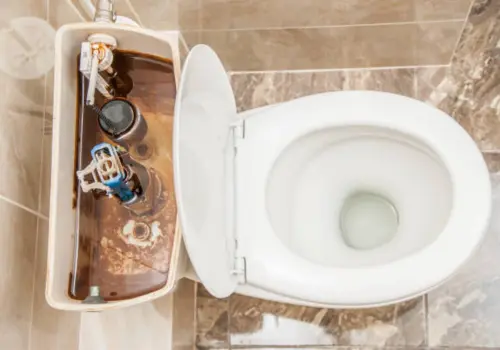
Toilet overflow cleanup
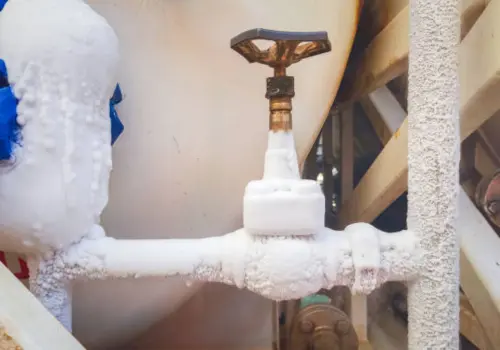
Frozen pipe damage repair
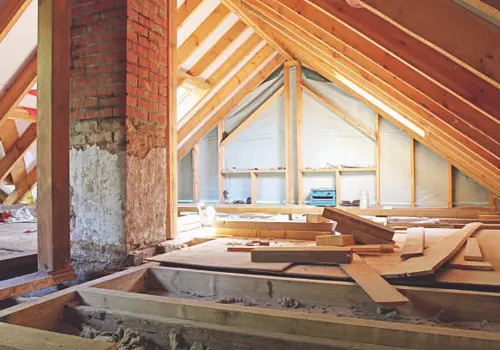
Attic repair
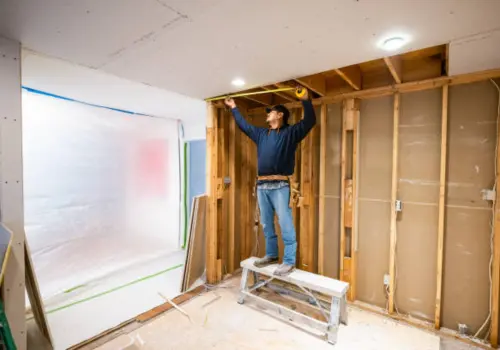
Drywall repair
Our Complete Repair and Reconstruction Services
Helping Mount Lookout Homes and Businesses Recover
What Usually Causes Water Damage in Our Area?
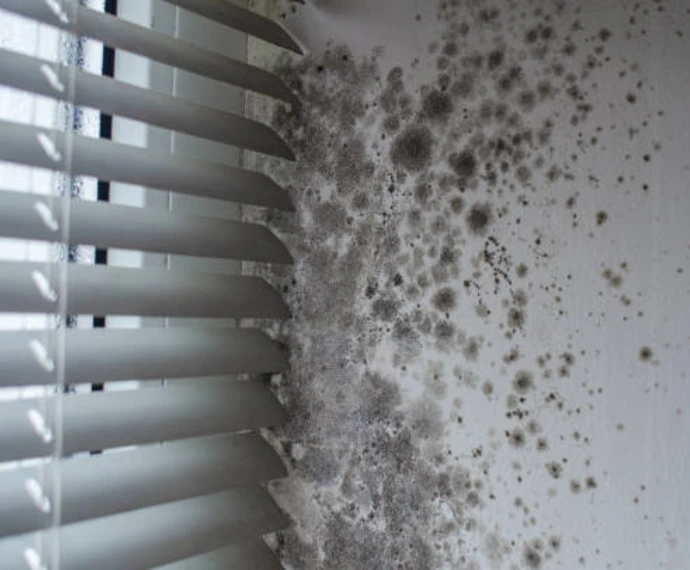
Worried About Mold After a Leak?
What to Do in a Water Damage Emergency
We Work With All Major Insurance Providers




















Guidance Through the Insurance Claims Process
Additional Water Damage Situations We Restore
Other Professional Restoration Services We Offer
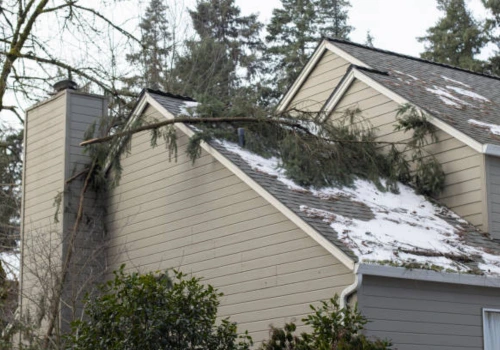
Storm Damage Restoration
Mold Removal & Remediation
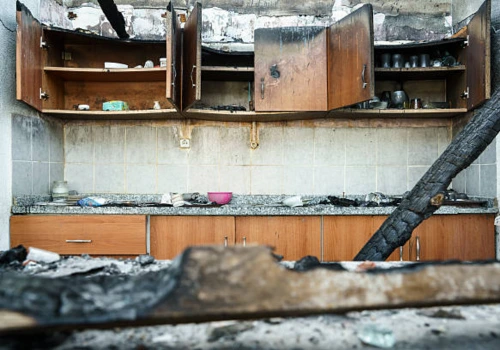
Fire Damage Restoration
What Mount Lookout Homeowners Are Saying
Why Homeowners in Cincinnati Trust H2O Restoration
- IICRC Certified Technicians: Our team is formally trained in the latest industry standards for water damage restoration.
- Restoration Industry Association (RIA) Member: We adhere to a strict code of ethics and stay current on best practices.
- Keller Williams Affiliated: A trusted partnership that speaks to our reputation in the real estate community.
- Established in 2014: Over a decade of dedicated service to the Greater Cincinnati area.
- Veteran-Owned & Operated: Founded by Sean Galloway, bringing discipline, integrity, and service to every job.
- Over 12 Years of Experience: Our team has the hands-on knowledge to handle complex situations.
- 24/7 Emergency Service Available: We are always on call for disasters, big and small.
- Works With Major Insurance Providers: We streamline the claims process for you.
Answers to Common Water Damage Questions
How quickly should I call for water damage?
Immediately. The first 24-48 hours are critical to prevent mold growth and structural damage. Quick professional water removal and drying can save thousands in future repairs.
Do I need to move out of my home during water damage restoration?
It depends on the extent of the damage. For small, contained leaks, you can often stay. For major flooding or sewage backups affecting living areas, we may recommend temporary relocation for safety and to allow work to proceed efficiently.
How long does the drying process take?
Typically, 3-5 days with professional equipment. However, it depends on the amount of water, the materials affected, and indoor humidity. We monitor daily with moisture meters until everything meets drying standards.
Will my homeowners insurance cover this?
Coverage depends entirely on your specific policy and the cause of the water damage (e.g., sudden burst pipe vs. long-term seepage). We help by providing the detailed documentation and repair estimates your insurance company needs to process your claim.
Can you save my water-damaged hardwood floors?
Often, yes. If addressed quickly, we can use specialized floor drying systems to draw moisture out through the surface without removing the boards. We assess each situation to determine the best approach for repair or replacement.
Do you handle the repairs, or just the drying?
We handle both. We are a full-service restoration company. Our team manages the entire project from emergency water extraction and drying to the final rebuild, including drywall, painting, and flooring.
Is the water from a sewage backup dangerous?
Yes. Category 3 “black water” from sewage contains harmful bacteria and pathogens. It requires immediate, professional cleanup with full personal protective equipment and industrial-grade disinfectants. Do not attempt to clean it yourself.
What causes mold after a leak, and how do you prevent it?
Mold needs moisture, a food source (like drywall paper), and warmth to grow. We prevent it by removing the water source entirely and using industrial air movers and dehumidifiers to dry all materials quickly and thoroughly to a safe moisture level.
My ceiling has a water stain but is dry now. Do I need repairs?
A stain indicates past water intrusion. The drywall may be weakened or could harbor mold inside the cavity. We recommend an inspection, which may involve a small check hole, to ensure the structure is sound and dry before painting.
Can I clean up the water myself first?
You can remove visible standing water if it’s safe to do so. However, professional-grade extraction removes far more water, and our drying equipment addresses hidden moisture in walls and subfloors that fans alone cannot fix, which is crucial for preventing mold.