
Water Damage Restoration Services in Wyoming, OH
Request Service
How We Handle Water Damage Every Step of the Way
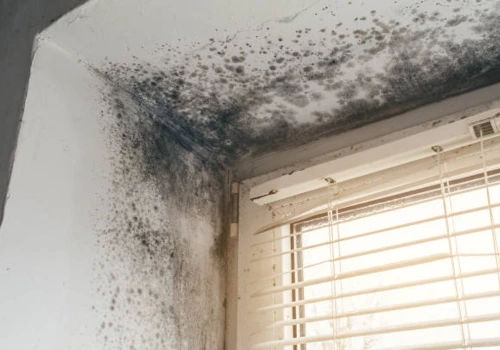
Leaking pipe cleanup
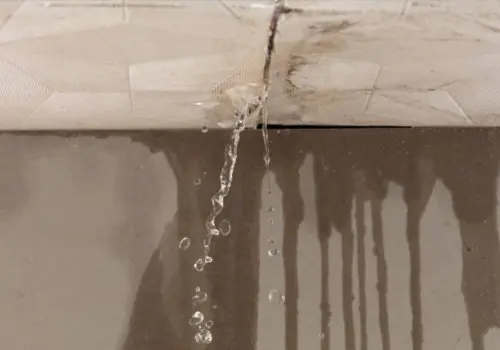
Ceiling leak cleanup
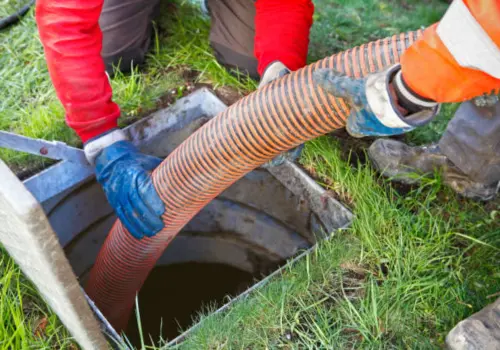
Sewage cleanup
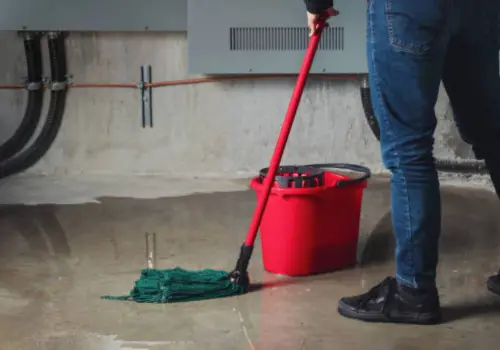
Flood cleanup
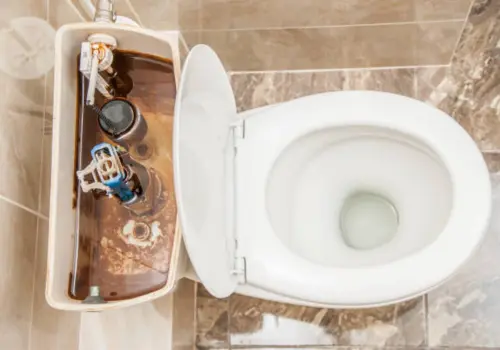
Toilet overflow cleanup
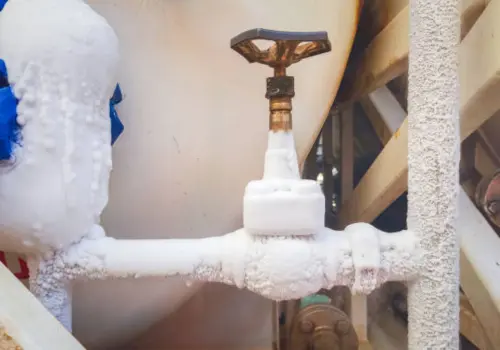
Frozen pipe damage repair
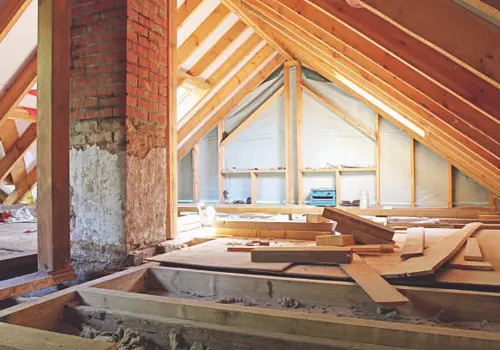
Attic repair
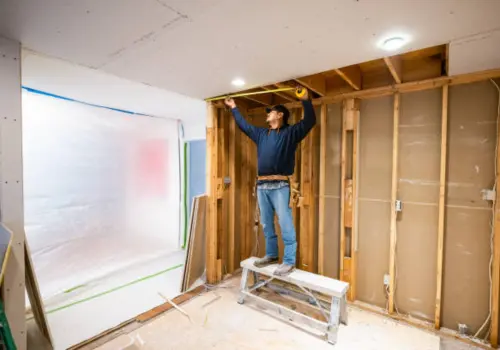
Drywall repair
Restoring Your Space to Pre-Loss Condition
Water Damage Solutions for Homes and Businesses in Wyoming
Common Causes of Water Damage in Wyoming, Ohio
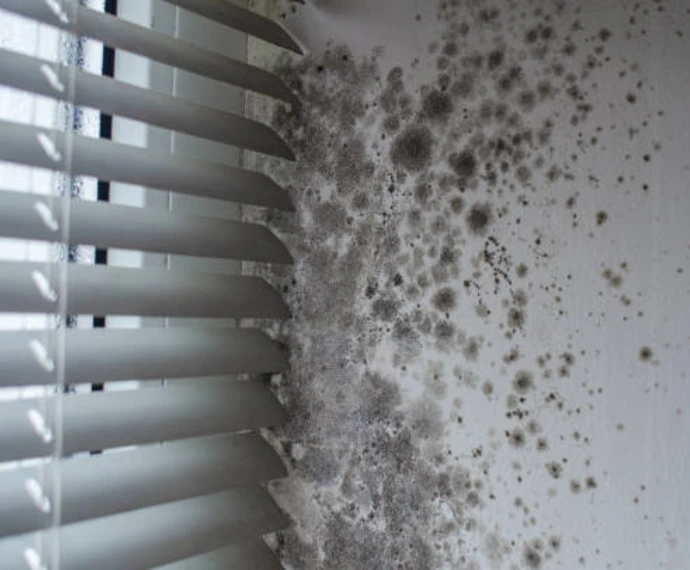
How to Spot Mold Risks and Prevent Growth
What to Do in a Water Crisis in Wyoming
Insurance Help When You Need It Most



















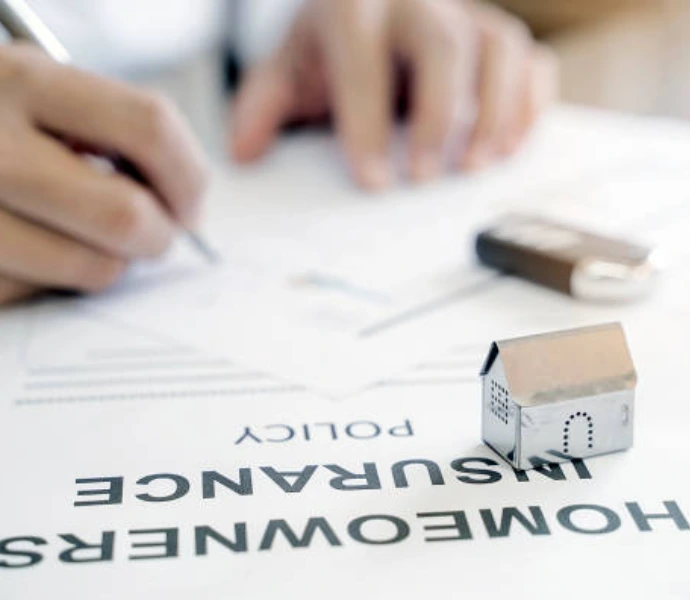
We Simplify the Insurance Process
Fast and Effective Solutions for Every Situation
Broader Help for Your Property Damage Needs
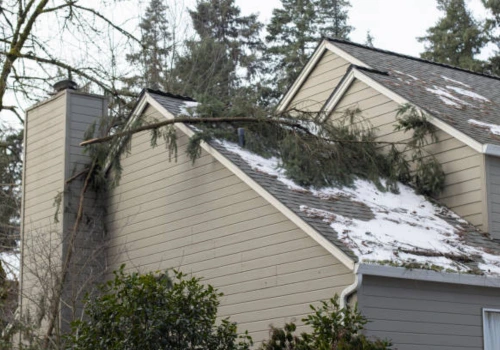
Storm Damage Restoration
Mold Removal & Remediation
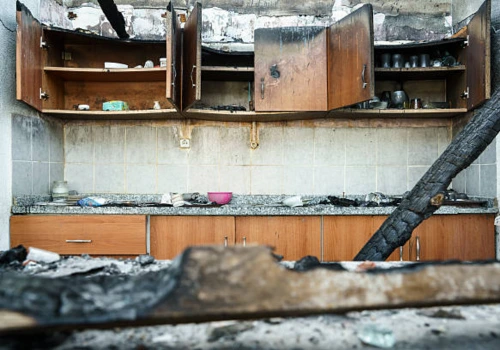
Fire Damage Restoration
What Wyoming Homeowners Say About Us
Why Choose H2O Restoration in Wyoming, Ohio?
Got Questions About Water Damage in Wyoming?
What should I do first if my basement floods?
The first step is to turn off the main water supply if possible to prevent further flooding. Then, if it’s safe, shut off electricity in the affected area to avoid electrical hazards. Call our team immediately so we can start water removal and drying as soon as possible.
How quickly can water damage cause mold?
Mold can begin to develop within 24 to 48 hours if materials stay damp and are not properly dried. The presence of moisture creates ideal conditions for mold spores to grow, so prompt drying and removal of wet materials are essential. Addressing water damage quickly helps prevent mold from becoming a bigger problem.
Is it safe to stay in my home after a leak?
Generally, yes, as long as the leak is contained and there are no electrical hazards or signs of mold. However, if the leak has caused extensive water damage or mold growth, it’s best to have a professional assess the situation before spending extended time in the space. We can help evaluate your home’s safety after a water incident.
How long does water damage cleanup usually take?
The duration depends on the extent of the damage and how much water has affected different materials. Small leaks may be cleaned and dried within a couple of days, while larger floods can take several days to fully dry and repair. Our team monitors moisture levels daily to ensure thorough drying.
Do I need to replace drywall after water damage?
Often, damaged drywall needs removal because it can harbor mold and retain moisture even after drying. In some cases, if the drywall is only lightly damp, it can be dried and cleaned, but replacement is usually recommended for long-term safety. We evaluate each situation to determine the best course of action.
How do I document damage for insurance?
Take clear photos of affected areas before and after any cleanup or repairs, and note the extent of damage. Keep records of all communications with your insurance company, as well as receipts for repairs or remediation. Proper documentation helps ensure your claim is processed smoothly.
What are signs of hidden water damage?
Signs include a persistent musty smell, bubbling or peeling paint, discolored or damp-looking walls, and soft or swollen flooring. Sometimes the damage isn’t visible until moisture causes problems behind walls or under flooring. A professional moisture check can reveal hidden issues early.
Can I dry out water-damaged carpets myself?
Small areas can sometimes be dried using fans, dehumidifiers, and careful cleaning, but large floods or deep saturation require professional drying equipment. DIY methods may not fully remove moisture and can lead to mold growth if not done properly. It’s best to have professionals handle significant water removal to protect your health and property.
What should I avoid doing after a flood?
Avoid entering electrical areas or attempting to remove large amounts of water yourself, as this can be dangerous. Do not delay calling professionals, as quick action reduces damage and mold risk. Also, avoid using household vacuums to remove water, which can cause electrical hazards.
How do you prevent mold after water damage?
The key is thorough drying of all affected areas and removing materials that cannot be saved, such as saturated drywall or insulation. Moisture must be eliminated to prevent mold spores from settling and growing. Professional drying and moisture monitoring are essential steps to avoid mold problems later.