
It depends on where the mold is, how widespread it is, and whether the affected area can be fully contained. In many Cincinnati homes, if the mold is isolated to a basement, bathroom, or a single room and proper containment is in place, you may be able to stay in unaffected areas while work is performed. However, if the mold impacts large portions of the home, involves the HVAC system, or if someone in the household is highly sensitive (asthma, allergies, young kids, elderly), it may be safer to be out of the home during the active remediation phase. If you’re in Greater Cincinnati, call (513) 909-6540 and we’ll tell you what’s safest based on your specific situation.
Mold Remediation in Cincinnati
Visible mold, a musty smell, or damp walls can leave you unsure how far the problem goes. Cleaning the surface may leave the moisture problem in place.
H2O Restoration provides mold remediation in Cincinnati. We assess affected areas, plan containment and cleanup, and help you understand the moisture issue behind the growth. Call (513) 909-6540 to tell us what you have noticed and discuss the next steps.
Mold is a moisture problem first, and cleanup is only part of the solution
Mold doesn’t show up without a reason. It typically grows when moisture remains in building materials from leaks, humidity, flooding, or poor ventilation. If mold is removed without addressing the moisture source, it often comes back.
Our mold remediation service is built around two priorities:
We help with mold issues caused by:
If you suspect mold but don’t see it, call us. Many mold problems start hidden and become visible only after they’ve spread.
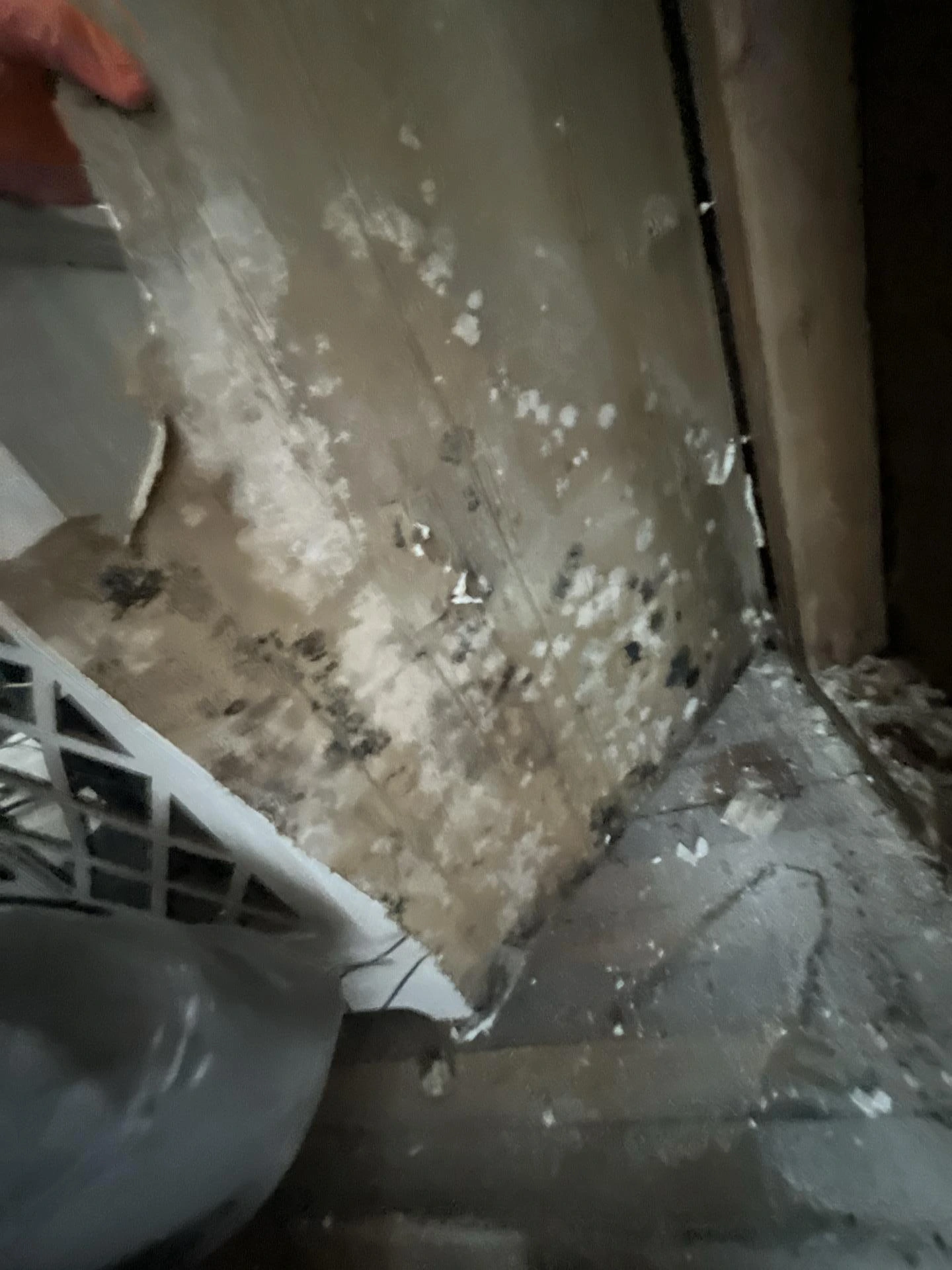
What our mold remediation service includes
Mold remediation needs to be done carefully. Rushing can spread spores, and “surface cleaning only” can leave contamination behind. Our process focuses on safe work practices, proper removal, and returning the area to a clean, dry condition.
Inspection, moisture evaluation, and scope planning
We assess the affected area, look for moisture sources, and determine the likely extent of growth. Mold often spreads beyond the visible spot, so we evaluate adjacent areas and materials.
Containment to reduce cross-contamination
When needed, we establish containment to help prevent spores from traveling into clean parts of the home or building. This is especially important for basements, bedrooms, and HVAC-connected spaces.
Removal of affected materials when necessary
Some materials can be cleaned, while others may need removal if they’re heavily affected or porous. We make practical recommendations based on what’s safest and most effective for long-term results.
Detailed cleaning and surface treatment
We clean and treat affected surfaces using professional methods designed for mold conditions. The goal is to remove contamination, not just wipe away visible discoloration.
Air quality support and odor reduction
Musty odors can linger if mold and dampness aren’t fully addressed. We take steps to reduce odor sources and help improve indoor air conditions as remediation is completed.
Drying, humidity control, and prevention guidance
Because mold is tied to moisture, we focus on drying and humidity control when appropriate. We also give you clear guidance on how to prevent recurrence, whether that’s fixing a leak, improving ventilation, or addressing basement humidity.
How our mold remediation process works
We keep the process clear and organized so you know what’s happening and why.
1) Identify the mold-affected areas and moisture source
We assess the visible growth and check surrounding areas where moisture may have traveled. We also identify the likely cause, such as a leak, high humidity, or previous water damage.
2) Set containment and safety measures as needed
If the affected area warrants it, we establish containment to help reduce spore movement and keep the rest of the property protected during remediation.
3) Remove mold contamination and impacted materials
We remediate affected surfaces and remove materials that can’t be safely restored. This step is based on the conditions found and the type of materials involved.
4) Clean, treat, and address odor sources
We clean and treat the area thoroughly and take steps to reduce musty odors by removing contamination and controlling moisture.
Here goes your text … Select any part of your text to access the formatting toolbar.
5) Confirm completion and outline prevention steps
Once remediation is complete, we confirm the work, document what was done, and provide practical prevention recommendations so the problem doesn’t return.
Cincinnati Homeowners Reviews
When people are dealing with water damage, speed and communication matter. Here is what local customers say about working with our team.

Matt Balducci
on Google

H2O Restoration was incredible to work with from start to finish. Their team showed up quickly, explained everything clearly, and handled the entire restoration process with professionalism and care. The communication was excellent throughout, and the quality of their work exceeded expectations. I’d highly recommend them to anyone dealing with water damage or home restoration n
Matt Balducci
on GoogleH2O Restoration was incredible to work with from start to finish. Their team showed up quickly, explained everything clearly, and handled the entire restoration process with professionalism and care. The communication was excellent throughout, and the quality of their work exceeded expectations. I’d highly recommend them to anyone dealing with water damage or home restoration n
Matt Balducci
on GoogleH2O Restoration was incredible to work with from start to finish. Their team showed up quickly, explained everything clearly, and handled the entire restoration process with professionalism and care. The communication was excellent throughout, and the quality of their work exceeded expectations. I’d highly recommend them to anyone dealing with water damage or home restoration n
Matt Balducci
on GoogleH2O Restoration was incredible to work with from start to finish. Their team showed up quickly, explained everything clearly, and handled the entire restoration process with professionalism and care. The communication was excellent throughout, and the quality of their work exceeded expectations. I’d highly recommend them to anyone dealing with water damage or home restoration n
Matt Balducci
on GoogleH2O Restoration was incredible to work with from start to finish. Their team showed up quickly, explained everything clearly, and handled the entire restoration process with professionalism and care. The communication was excellent throughout, and the quality of their work exceeded expectations. I’d highly recommend them to anyone dealing with water damage or home restoration n
Matt Balducci
on GoogleH2O Restoration was incredible to work with from start to finish. Their team showed up quickly, explained everything clearly, and handled the entire restoration process with professionalism and care. The communication was excellent throughout, and the quality of their work exceeded expectations. I’d highly recommend them to anyone dealing with water damage or home restoration n
Matt Balducci
on GoogleH2O Restoration was incredible to work with from start to finish. Their team showed up quickly, explained everything clearly, and handled the entire restoration process with professionalism and care. The communication was excellent throughout, and the quality of their work exceeded expectations. I’d highly recommend them to anyone dealing with water damage or home restoration n
Matt Balducci
on GoogleH2O Restoration was incredible to work with from start to finish. Their team showed up quickly, explained everything clearly, and handled the entire restoration process with professionalism and care. The communication was excellent throughout, and the quality of their work exceeded expectations. I’d highly recommend them to anyone dealing with water damage or home restoration n
Matt Balducci
on GoogleH2O Restoration was incredible to work with from start to finish. Their team showed up quickly, explained everything clearly, and handled the entire restoration process with professionalism and care. The communication was excellent throughout, and the quality of their work exceeded expectations. I’d highly recommend them to anyone dealing with water damage or home restoration n
Matt Balducci
on GoogleH2O Restoration was incredible to work with from start to finish. Their team showed up quickly, explained everything clearly, and handled the entire restoration process with professionalism and care. The communication was excellent throughout, and the quality of their work exceeded expectations. I’d highly recommend them to anyone dealing with water damage or home restoration n

Terrence Cooper
on GoogleH2O Restoration did a great job in restoring my kitchen after it flooded. They most importantly listened to what I had to say ,and also added knowledge on why if it wouldn't be able to be achieved. Sean was a pleasure to work with! They gave me a date and met it.
Terrence Cooper
on GoogleH2O Restoration did a great job in restoring my kitchen after it flooded. They most importantly listened to what I had to say ,and also added knowledge on why if it wouldn't be able to be achieved. Sean was a pleasure to work with! They gave me a date and met it.
Terrence Cooper
on GoogleH2O Restoration did a great job in restoring my kitchen after it flooded. They most importantly listened to what I had to say ,and also added knowledge on why if it wouldn't be able to be achieved. Sean was a pleasure to work with! They gave me a date and met it.
Terrence Cooper
on GoogleH2O Restoration did a great job in restoring my kitchen after it flooded. They most importantly listened to what I had to say ,and also added knowledge on why if it wouldn't be able to be achieved. Sean was a pleasure to work with! They gave me a date and met it.
Terrence Cooper
on GoogleH2O Restoration did a great job in restoring my kitchen after it flooded. They most importantly listened to what I had to say ,and also added knowledge on why if it wouldn't be able to be achieved. Sean was a pleasure to work with! They gave me a date and met it.
Terrence Cooper
on GoogleH2O Restoration did a great job in restoring my kitchen after it flooded. They most importantly listened to what I had to say ,and also added knowledge on why if it wouldn't be able to be achieved. Sean was a pleasure to work with! They gave me a date and met it.
Terrence Cooper
on GoogleH2O Restoration did a great job in restoring my kitchen after it flooded. They most importantly listened to what I had to say ,and also added knowledge on why if it wouldn't be able to be achieved. Sean was a pleasure to work with! They gave me a date and met it.
Terrence Cooper
on GoogleH2O Restoration did a great job in restoring my kitchen after it flooded. They most importantly listened to what I had to say ,and also added knowledge on why if it wouldn't be able to be achieved. Sean was a pleasure to work with! They gave me a date and met it.
Terrence Cooper
on GoogleH2O Restoration did a great job in restoring my kitchen after it flooded. They most importantly listened to what I had to say ,and also added knowledge on why if it wouldn't be able to be achieved. Sean was a pleasure to work with! They gave me a date and met it.
Terrence Cooper
on GoogleH2O Restoration did a great job in restoring my kitchen after it flooded. They most importantly listened to what I had to say ,and also added knowledge on why if it wouldn't be able to be achieved. Sean was a pleasure to work with! They gave me a date and met it.

Angelia H.
on GoogleI had an amazing experience working with H2O Restoration. From start to finish, the communication was clear, professional, and timely. They arrived on time every day, stayed on schedule, and completed the work with exceptional attention to detail. The work was done to a high standard and exactly as we discussed. They kept the work area clean and made sure I was happy with each step before moving forward. I truly appreciate their professionalism, skill, and integrity. I will not hesitate to hire them again if the need arises and have already recommended them to a friend who had some major water damage and they've already started the project.
Angelia H.
on GoogleI had an amazing experience working with H2O Restoration. From start to finish, the communication was clear, professional, and timely. They arrived on time every day, stayed on schedule, and completed the work with exceptional attention to detail. The work was done to a high standard and exactly as we discussed. They kept the work area clean and made sure I was happy with each step before moving forward. I truly appreciate their professionalism, skill, and integrity. I will not hesitate to hire them again if the need arises and have already recommended them to a friend who had some major water damage and they've already started the project.
Angelia H.
on GoogleI had an amazing experience working with H2O Restoration. From start to finish, the communication was clear, professional, and timely. They arrived on time every day, stayed on schedule, and completed the work with exceptional attention to detail. The work was done to a high standard and exactly as we discussed. They kept the work area clean and made sure I was happy with each step before moving forward. I truly appreciate their professionalism, skill, and integrity. I will not hesitate to hire them again if the need arises and have already recommended them to a friend who had some major water damage and they've already started the project.
Angelia H.
on GoogleI had an amazing experience working with H2O Restoration. From start to finish, the communication was clear, professional, and timely. They arrived on time every day, stayed on schedule, and completed the work with exceptional attention to detail. The work was done to a high standard and exactly as we discussed. They kept the work area clean and made sure I was happy with each step before moving forward. I truly appreciate their professionalism, skill, and integrity. I will not hesitate to hire them again if the need arises and have already recommended them to a friend who had some major water damage and they've already started the project.
Angelia H.
on GoogleI had an amazing experience working with H2O Restoration. From start to finish, the communication was clear, professional, and timely. They arrived on time every day, stayed on schedule, and completed the work with exceptional attention to detail. The work was done to a high standard and exactly as we discussed. They kept the work area clean and made sure I was happy with each step before moving forward. I truly appreciate their professionalism, skill, and integrity. I will not hesitate to hire them again if the need arises and have already recommended them to a friend who had some major water damage and they've already started the project.
Angelia H.
on GoogleI had an amazing experience working with H2O Restoration. From start to finish, the communication was clear, professional, and timely. They arrived on time every day, stayed on schedule, and completed the work with exceptional attention to detail. The work was done to a high standard and exactly as we discussed. They kept the work area clean and made sure I was happy with each step before moving forward. I truly appreciate their professionalism, skill, and integrity. I will not hesitate to hire them again if the need arises and have already recommended them to a friend who had some major water damage and they've already started the project.
Angelia H.
on GoogleI had an amazing experience working with H2O Restoration. From start to finish, the communication was clear, professional, and timely. They arrived on time every day, stayed on schedule, and completed the work with exceptional attention to detail. The work was done to a high standard and exactly as we discussed. They kept the work area clean and made sure I was happy with each step before moving forward. I truly appreciate their professionalism, skill, and integrity. I will not hesitate to hire them again if the need arises and have already recommended them to a friend who had some major water damage and they've already started the project.
Angelia H.
on GoogleI had an amazing experience working with H2O Restoration. From start to finish, the communication was clear, professional, and timely. They arrived on time every day, stayed on schedule, and completed the work with exceptional attention to detail. The work was done to a high standard and exactly as we discussed. They kept the work area clean and made sure I was happy with each step before moving forward. I truly appreciate their professionalism, skill, and integrity. I will not hesitate to hire them again if the need arises and have already recommended them to a friend who had some major water damage and they've already started the project.
Angelia H.
on GoogleI had an amazing experience working with H2O Restoration. From start to finish, the communication was clear, professional, and timely. They arrived on time every day, stayed on schedule, and completed the work with exceptional attention to detail. The work was done to a high standard and exactly as we discussed. They kept the work area clean and made sure I was happy with each step before moving forward. I truly appreciate their professionalism, skill, and integrity. I will not hesitate to hire them again if the need arises and have already recommended them to a friend who had some major water damage and they've already started the project.
Angelia H.
on GoogleI had an amazing experience working with H2O Restoration. From start to finish, the communication was clear, professional, and timely. They arrived on time every day, stayed on schedule, and completed the work with exceptional attention to detail. The work was done to a high standard and exactly as we discussed. They kept the work area clean and made sure I was happy with each step before moving forward. I truly appreciate their professionalism, skill, and integrity. I will not hesitate to hire them again if the need arises and have already recommended them to a friend who had some major water damage and they've already started the project.

Ikia Hatchett
on GoogleH20 Restoration did an excellent job! Mike went above and beyond with the mold damage restoration. He was professional, thorough, and explained everything clearly. The results were great, and I couldn’t be happier. Highly recommend H20 Restoration if you need restoration work done!
Ikia Hatchett
on GoogleH20 Restoration did an excellent job! Mike went above and beyond with the mold damage restoration. He was professional, thorough, and explained everything clearly. The results were great, and I couldn’t be happier. Highly recommend H20 Restoration if you need restoration work done!
Ikia Hatchett
on GoogleH20 Restoration did an excellent job! Mike went above and beyond with the mold damage restoration. He was professional, thorough, and explained everything clearly. The results were great, and I couldn’t be happier. Highly recommend H20 Restoration if you need restoration work done!
Ikia Hatchett
on GoogleH20 Restoration did an excellent job! Mike went above and beyond with the mold damage restoration. He was professional, thorough, and explained everything clearly. The results were great, and I couldn’t be happier. Highly recommend H20 Restoration if you need restoration work done!
Ikia Hatchett
on GoogleH20 Restoration did an excellent job! Mike went above and beyond with the mold damage restoration. He was professional, thorough, and explained everything clearly. The results were great, and I couldn’t be happier. Highly recommend H20 Restoration if you need restoration work done!
Ikia Hatchett
on GoogleH20 Restoration did an excellent job! Mike went above and beyond with the mold damage restoration. He was professional, thorough, and explained everything clearly. The results were great, and I couldn’t be happier. Highly recommend H20 Restoration if you need restoration work done!
Ikia Hatchett
on GoogleH20 Restoration did an excellent job! Mike went above and beyond with the mold damage restoration. He was professional, thorough, and explained everything clearly. The results were great, and I couldn’t be happier. Highly recommend H20 Restoration if you need restoration work done!
Ikia Hatchett
on GoogleH20 Restoration did an excellent job! Mike went above and beyond with the mold damage restoration. He was professional, thorough, and explained everything clearly. The results were great, and I couldn’t be happier. Highly recommend H20 Restoration if you need restoration work done!
Ikia Hatchett
on GoogleH20 Restoration did an excellent job! Mike went above and beyond with the mold damage restoration. He was professional, thorough, and explained everything clearly. The results were great, and I couldn’t be happier. Highly recommend H20 Restoration if you need restoration work done!
Ikia Hatchett
on GoogleH20 Restoration did an excellent job! Mike went above and beyond with the mold damage restoration. He was professional, thorough, and explained everything clearly. The results were great, and I couldn’t be happier. Highly recommend H20 Restoration if you need restoration work done!

Maia Jones
on Google
H2O Restoration saved my home! I had some plumbing issues and my toilet flooded on the second floor causing water damage from the leak all the way down to the basement , Sean was able clean up the mess and stop the floors / ceilings from molding before it got really bad . Thank you ! Very professional , Highly recommend!
Maia Jones
on Google
H2O Restoration saved my home! I had some plumbing issues and my toilet flooded on the second floor causing water damage from the leak all the way down to the basement , Sean was able clean up the mess and stop the floors / ceilings from molding before it got really bad . Thank you ! Very professional , Highly recommend!
Maia Jones
on Google
H2O Restoration saved my home! I had some plumbing issues and my toilet flooded on the second floor causing water damage from the leak all the way down to the basement , Sean was able clean up the mess and stop the floors / ceilings from molding before it got really bad . Thank you ! Very professional , Highly recommend!
Maia Jones
on Google
H2O Restoration saved my home! I had some plumbing issues and my toilet flooded on the second floor causing water damage from the leak all the way down to the basement , Sean was able clean up the mess and stop the floors / ceilings from molding before it got really bad . Thank you ! Very professional , Highly recommend!
Maia Jones
on Google
H2O Restoration saved my home! I had some plumbing issues and my toilet flooded on the second floor causing water damage from the leak all the way down to the basement , Sean was able clean up the mess and stop the floors / ceilings from molding before it got really bad . Thank you ! Very professional , Highly recommend!
Maia Jones
on Google
H2O Restoration saved my home! I had some plumbing issues and my toilet flooded on the second floor causing water damage from the leak all the way down to the basement , Sean was able clean up the mess and stop the floors / ceilings from molding before it got really bad . Thank you ! Very professional , Highly recommend!
Maia Jones
on Google
H2O Restoration saved my home! I had some plumbing issues and my toilet flooded on the second floor causing water damage from the leak all the way down to the basement , Sean was able clean up the mess and stop the floors / ceilings from molding before it got really bad . Thank you ! Very professional , Highly recommend!
Maia Jones
on Google
H2O Restoration saved my home! I had some plumbing issues and my toilet flooded on the second floor causing water damage from the leak all the way down to the basement , Sean was able clean up the mess and stop the floors / ceilings from molding before it got really bad . Thank you ! Very professional , Highly recommend!
Maia Jones
on Google
H2O Restoration saved my home! I had some plumbing issues and my toilet flooded on the second floor causing water damage from the leak all the way down to the basement , Sean was able clean up the mess and stop the floors / ceilings from molding before it got really bad . Thank you ! Very professional , Highly recommend!
Maia Jones
on Google
H2O Restoration saved my home! I had some plumbing issues and my toilet flooded on the second floor causing water damage from the leak all the way down to the basement , Sean was able clean up the mess and stop the floors / ceilings from molding before it got really bad . Thank you ! Very professional , Highly recommend!

Jarrod Humphrey
on GoogleI had a great experience with H2O Restoration. Devon and his teammate came out to evaluate water damage across four rooms, including my daughter’s room. They were professional, respectful of our space, and left no mess behind. Devon took the time to clearly explain the science behind the damage and walked me through their recommendation in a way that was easy to understand. They even went above and beyond by helping me with a small annoyance around the house that wasn’t part of the job. Truly excellent customer service—honest, knowledgeable, and pleasant to work with. Highly recommend.
Jarrod Humphrey
on GoogleI had a great experience with H2O Restoration. Devon and his teammate came out to evaluate water damage across four rooms, including my daughter’s room. They were professional, respectful of our space, and left no mess behind. Devon took the time to clearly explain the science behind the damage and walked me through their recommendation in a way that was easy to understand. They even went above and beyond by helping me with a small annoyance around the house that wasn’t part of the job. Truly excellent customer service—honest, knowledgeable, and pleasant to work with. Highly recommend.
Jarrod Humphrey
on GoogleI had a great experience with H2O Restoration. Devon and his teammate came out to evaluate water damage across four rooms, including my daughter’s room. They were professional, respectful of our space, and left no mess behind. Devon took the time to clearly explain the science behind the damage and walked me through their recommendation in a way that was easy to understand. They even went above and beyond by helping me with a small annoyance around the house that wasn’t part of the job. Truly excellent customer service—honest, knowledgeable, and pleasant to work with. Highly recommend.
Jarrod Humphrey
on GoogleI had a great experience with H2O Restoration. Devon and his teammate came out to evaluate water damage across four rooms, including my daughter’s room. They were professional, respectful of our space, and left no mess behind. Devon took the time to clearly explain the science behind the damage and walked me through their recommendation in a way that was easy to understand. They even went above and beyond by helping me with a small annoyance around the house that wasn’t part of the job. Truly excellent customer service—honest, knowledgeable, and pleasant to work with. Highly recommend.
Jarrod Humphrey
on GoogleI had a great experience with H2O Restoration. Devon and his teammate came out to evaluate water damage across four rooms, including my daughter’s room. They were professional, respectful of our space, and left no mess behind. Devon took the time to clearly explain the science behind the damage and walked me through their recommendation in a way that was easy to understand. They even went above and beyond by helping me with a small annoyance around the house that wasn’t part of the job. Truly excellent customer service—honest, knowledgeable, and pleasant to work with. Highly recommend.
Jarrod Humphrey
on GoogleI had a great experience with H2O Restoration. Devon and his teammate came out to evaluate water damage across four rooms, including my daughter’s room. They were professional, respectful of our space, and left no mess behind. Devon took the time to clearly explain the science behind the damage and walked me through their recommendation in a way that was easy to understand. They even went above and beyond by helping me with a small annoyance around the house that wasn’t part of the job. Truly excellent customer service—honest, knowledgeable, and pleasant to work with. Highly recommend.
Jarrod Humphrey
on GoogleI had a great experience with H2O Restoration. Devon and his teammate came out to evaluate water damage across four rooms, including my daughter’s room. They were professional, respectful of our space, and left no mess behind. Devon took the time to clearly explain the science behind the damage and walked me through their recommendation in a way that was easy to understand. They even went above and beyond by helping me with a small annoyance around the house that wasn’t part of the job. Truly excellent customer service—honest, knowledgeable, and pleasant to work with. Highly recommend.
Jarrod Humphrey
on GoogleI had a great experience with H2O Restoration. Devon and his teammate came out to evaluate water damage across four rooms, including my daughter’s room. They were professional, respectful of our space, and left no mess behind. Devon took the time to clearly explain the science behind the damage and walked me through their recommendation in a way that was easy to understand. They even went above and beyond by helping me with a small annoyance around the house that wasn’t part of the job. Truly excellent customer service—honest, knowledgeable, and pleasant to work with. Highly recommend.
Jarrod Humphrey
on GoogleI had a great experience with H2O Restoration. Devon and his teammate came out to evaluate water damage across four rooms, including my daughter’s room. They were professional, respectful of our space, and left no mess behind. Devon took the time to clearly explain the science behind the damage and walked me through their recommendation in a way that was easy to understand. They even went above and beyond by helping me with a small annoyance around the house that wasn’t part of the job. Truly excellent customer service—honest, knowledgeable, and pleasant to work with. Highly recommend.
Jarrod Humphrey
on GoogleI had a great experience with H2O Restoration. Devon and his teammate came out to evaluate water damage across four rooms, including my daughter’s room. They were professional, respectful of our space, and left no mess behind. Devon took the time to clearly explain the science behind the damage and walked me through their recommendation in a way that was easy to understand. They even went above and beyond by helping me with a small annoyance around the house that wasn’t part of the job. Truly excellent customer service—honest, knowledgeable, and pleasant to work with. Highly recommend.

Jake Chase
on GoogleH2O Restoration has been incredible to work with. Their team is responsive, reliable, and consistently goes above and beyond to get the job done right. Whether it’s an emergency situation or scheduled work, they show up on time and handle everything with professionalism and care. Highly recommend them for any restoration needs, great people and top notch service.
Jake Chase
on GoogleH2O Restoration has been incredible to work with. Their team is responsive, reliable, and consistently goes above and beyond to get the job done right. Whether it’s an emergency situation or scheduled work, they show up on time and handle everything with professionalism and care. Highly recommend them for any restoration needs, great people and top notch service.
Jake Chase
on GoogleH2O Restoration has been incredible to work with. Their team is responsive, reliable, and consistently goes above and beyond to get the job done right. Whether it’s an emergency situation or scheduled work, they show up on time and handle everything with professionalism and care. Highly recommend them for any restoration needs, great people and top notch service.
Jake Chase
on GoogleH2O Restoration has been incredible to work with. Their team is responsive, reliable, and consistently goes above and beyond to get the job done right. Whether it’s an emergency situation or scheduled work, they show up on time and handle everything with professionalism and care. Highly recommend them for any restoration needs, great people and top notch service.
Jake Chase
on GoogleH2O Restoration has been incredible to work with. Their team is responsive, reliable, and consistently goes above and beyond to get the job done right. Whether it’s an emergency situation or scheduled work, they show up on time and handle everything with professionalism and care. Highly recommend them for any restoration needs, great people and top notch service.
Jake Chase
on GoogleH2O Restoration has been incredible to work with. Their team is responsive, reliable, and consistently goes above and beyond to get the job done right. Whether it’s an emergency situation or scheduled work, they show up on time and handle everything with professionalism and care. Highly recommend them for any restoration needs, great people and top notch service.
Jake Chase
on GoogleH2O Restoration has been incredible to work with. Their team is responsive, reliable, and consistently goes above and beyond to get the job done right. Whether it’s an emergency situation or scheduled work, they show up on time and handle everything with professionalism and care. Highly recommend them for any restoration needs, great people and top notch service.
Jake Chase
on GoogleH2O Restoration has been incredible to work with. Their team is responsive, reliable, and consistently goes above and beyond to get the job done right. Whether it’s an emergency situation or scheduled work, they show up on time and handle everything with professionalism and care. Highly recommend them for any restoration needs, great people and top notch service.
Jake Chase
on GoogleH2O Restoration has been incredible to work with. Their team is responsive, reliable, and consistently goes above and beyond to get the job done right. Whether it’s an emergency situation or scheduled work, they show up on time and handle everything with professionalism and care. Highly recommend them for any restoration needs, great people and top notch service.
Jake Chase
on GoogleH2O Restoration has been incredible to work with. Their team is responsive, reliable, and consistently goes above and beyond to get the job done right. Whether it’s an emergency situation or scheduled work, they show up on time and handle everything with professionalism and care. Highly recommend them for any restoration needs, great people and top notch service.

Amanda Mensing
on GoogleHands Down - The best group of guys you'll ever meet! My basement flooded, I left them a message at 4:45am on a Wednesday morning. They were there at 10:30 that morning and stayed until I kicked them out at 10pm. They were extremely respectful of my home and my pets. When they came back a few days later to pick up some equipment, one of my dogs got out and went for a run. The guys helped my family run him down for over an hour!! DEFINITELY above the call of duty! I would recommend these guys to anyone, any day!!
Amanda Mensing
on GoogleHands Down - The best group of guys you'll ever meet! My basement flooded, I left them a message at 4:45am on a Wednesday morning. They were there at 10:30 that morning and stayed until I kicked them out at 10pm. They were extremely respectful of my home and my pets. When they came back a few days later to pick up some equipment, one of my dogs got out and went for a run. The guys helped my family run him down for over an hour!! DEFINITELY above the call of duty! I would recommend these guys to anyone, any day!!
Amanda Mensing
on GoogleHands Down - The best group of guys you'll ever meet! My basement flooded, I left them a message at 4:45am on a Wednesday morning. They were there at 10:30 that morning and stayed until I kicked them out at 10pm. They were extremely respectful of my home and my pets. When they came back a few days later to pick up some equipment, one of my dogs got out and went for a run. The guys helped my family run him down for over an hour!! DEFINITELY above the call of duty! I would recommend these guys to anyone, any day!!
Amanda Mensing
on GoogleHands Down - The best group of guys you'll ever meet! My basement flooded, I left them a message at 4:45am on a Wednesday morning. They were there at 10:30 that morning and stayed until I kicked them out at 10pm. They were extremely respectful of my home and my pets. When they came back a few days later to pick up some equipment, one of my dogs got out and went for a run. The guys helped my family run him down for over an hour!! DEFINITELY above the call of duty! I would recommend these guys to anyone, any day!!
Amanda Mensing
on GoogleHands Down - The best group of guys you'll ever meet! My basement flooded, I left them a message at 4:45am on a Wednesday morning. They were there at 10:30 that morning and stayed until I kicked them out at 10pm. They were extremely respectful of my home and my pets. When they came back a few days later to pick up some equipment, one of my dogs got out and went for a run. The guys helped my family run him down for over an hour!! DEFINITELY above the call of duty! I would recommend these guys to anyone, any day!!
Amanda Mensing
on GoogleHands Down - The best group of guys you'll ever meet! My basement flooded, I left them a message at 4:45am on a Wednesday morning. They were there at 10:30 that morning and stayed until I kicked them out at 10pm. They were extremely respectful of my home and my pets. When they came back a few days later to pick up some equipment, one of my dogs got out and went for a run. The guys helped my family run him down for over an hour!! DEFINITELY above the call of duty! I would recommend these guys to anyone, any day!!
Amanda Mensing
on GoogleHands Down - The best group of guys you'll ever meet! My basement flooded, I left them a message at 4:45am on a Wednesday morning. They were there at 10:30 that morning and stayed until I kicked them out at 10pm. They were extremely respectful of my home and my pets. When they came back a few days later to pick up some equipment, one of my dogs got out and went for a run. The guys helped my family run him down for over an hour!! DEFINITELY above the call of duty! I would recommend these guys to anyone, any day!!
Amanda Mensing
on GoogleHands Down - The best group of guys you'll ever meet! My basement flooded, I left them a message at 4:45am on a Wednesday morning. They were there at 10:30 that morning and stayed until I kicked them out at 10pm. They were extremely respectful of my home and my pets. When they came back a few days later to pick up some equipment, one of my dogs got out and went for a run. The guys helped my family run him down for over an hour!! DEFINITELY above the call of duty! I would recommend these guys to anyone, any day!!
Amanda Mensing
on GoogleHands Down - The best group of guys you'll ever meet! My basement flooded, I left them a message at 4:45am on a Wednesday morning. They were there at 10:30 that morning and stayed until I kicked them out at 10pm. They were extremely respectful of my home and my pets. When they came back a few days later to pick up some equipment, one of my dogs got out and went for a run. The guys helped my family run him down for over an hour!! DEFINITELY above the call of duty! I would recommend these guys to anyone, any day!!
Amanda Mensing
on GoogleHands Down - The best group of guys you'll ever meet! My basement flooded, I left them a message at 4:45am on a Wednesday morning. They were there at 10:30 that morning and stayed until I kicked them out at 10pm. They were extremely respectful of my home and my pets. When they came back a few days later to pick up some equipment, one of my dogs got out and went for a run. The guys helped my family run him down for over an hour!! DEFINITELY above the call of duty! I would recommend these guys to anyone, any day!!

Megan D.
on GoogleThe best restoration company. You can call anytime and they make you feel like you’re the most important person. During a time you need help the most they have your back! Keana and Sean are great to work with.
Megan D.
on GoogleThe best restoration company. You can call anytime and they make you feel like you’re the most important person. During a time you need help the most they have your back! Keana and Sean are great to work with.
Megan D.
on GoogleThe best restoration company. You can call anytime and they make you feel like you’re the most important person. During a time you need help the most they have your back! Keana and Sean are great to work with.
Megan D.
on GoogleThe best restoration company. You can call anytime and they make you feel like you’re the most important person. During a time you need help the most they have your back! Keana and Sean are great to work with.
Megan D.
on GoogleThe best restoration company. You can call anytime and they make you feel like you’re the most important person. During a time you need help the most they have your back! Keana and Sean are great to work with.
Megan D.
on GoogleThe best restoration company. You can call anytime and they make you feel like you’re the most important person. During a time you need help the most they have your back! Keana and Sean are great to work with.
Megan D.
on GoogleThe best restoration company. You can call anytime and they make you feel like you’re the most important person. During a time you need help the most they have your back! Keana and Sean are great to work with.
Megan D.
on GoogleThe best restoration company. You can call anytime and they make you feel like you’re the most important person. During a time you need help the most they have your back! Keana and Sean are great to work with.
Megan D.
on GoogleThe best restoration company. You can call anytime and they make you feel like you’re the most important person. During a time you need help the most they have your back! Keana and Sean are great to work with.
Megan D.
on GoogleThe best restoration company. You can call anytime and they make you feel like you’re the most important person. During a time you need help the most they have your back! Keana and Sean are great to work with.

Kimber Roberson
on GoogleI called H20 Restoration for their services. They responded IMMEDIATELY and were on the job the next day. Their team was professional, the communication was great and they did an outstanding job. I would DEFINITELY work with them again. Highly recommend!!!
Kimber Roberson
on GoogleI called H20 Restoration for their services. They responded IMMEDIATELY and were on the job the next day. Their team was professional, the communication was great and they did an outstanding job. I would DEFINITELY work with them again. Highly recommend!!!
Kimber Roberson
on GoogleI called H20 Restoration for their services. They responded IMMEDIATELY and were on the job the next day. Their team was professional, the communication was great and they did an outstanding job. I would DEFINITELY work with them again. Highly recommend!!!
Kimber Roberson
on GoogleI called H20 Restoration for their services. They responded IMMEDIATELY and were on the job the next day. Their team was professional, the communication was great and they did an outstanding job. I would DEFINITELY work with them again. Highly recommend!!!
Kimber Roberson
on GoogleI called H20 Restoration for their services. They responded IMMEDIATELY and were on the job the next day. Their team was professional, the communication was great and they did an outstanding job. I would DEFINITELY work with them again. Highly recommend!!!
Kimber Roberson
on GoogleI called H20 Restoration for their services. They responded IMMEDIATELY and were on the job the next day. Their team was professional, the communication was great and they did an outstanding job. I would DEFINITELY work with them again. Highly recommend!!!
Kimber Roberson
on GoogleI called H20 Restoration for their services. They responded IMMEDIATELY and were on the job the next day. Their team was professional, the communication was great and they did an outstanding job. I would DEFINITELY work with them again. Highly recommend!!!
Kimber Roberson
on GoogleI called H20 Restoration for their services. They responded IMMEDIATELY and were on the job the next day. Their team was professional, the communication was great and they did an outstanding job. I would DEFINITELY work with them again. Highly recommend!!!
Kimber Roberson
on GoogleI called H20 Restoration for their services. They responded IMMEDIATELY and were on the job the next day. Their team was professional, the communication was great and they did an outstanding job. I would DEFINITELY work with them again. Highly recommend!!!
Kimber Roberson
on GoogleI called H20 Restoration for their services. They responded IMMEDIATELY and were on the job the next day. Their team was professional, the communication was great and they did an outstanding job. I would DEFINITELY work with them again. Highly recommend!!!

David Trinh
on GoogleH20 restoration saved my house. They cleaned up the damage to my walls from a leaking pipe by first removing the damaged drywall and then replaced the drywall and painted it. I would recommend H20 to anyone.
David Trinh
on GoogleH20 restoration saved my house. They cleaned up the damage to my walls from a leaking pipe by first removing the damaged drywall and then replaced the drywall and painted it. I would recommend H20 to anyone.
David Trinh
on GoogleH20 restoration saved my house. They cleaned up the damage to my walls from a leaking pipe by first removing the damaged drywall and then replaced the drywall and painted it. I would recommend H20 to anyone.
David Trinh
on GoogleH20 restoration saved my house. They cleaned up the damage to my walls from a leaking pipe by first removing the damaged drywall and then replaced the drywall and painted it. I would recommend H20 to anyone.
David Trinh
on GoogleH20 restoration saved my house. They cleaned up the damage to my walls from a leaking pipe by first removing the damaged drywall and then replaced the drywall and painted it. I would recommend H20 to anyone.
David Trinh
on GoogleH20 restoration saved my house. They cleaned up the damage to my walls from a leaking pipe by first removing the damaged drywall and then replaced the drywall and painted it. I would recommend H20 to anyone.
David Trinh
on GoogleH20 restoration saved my house. They cleaned up the damage to my walls from a leaking pipe by first removing the damaged drywall and then replaced the drywall and painted it. I would recommend H20 to anyone.
David Trinh
on GoogleH20 restoration saved my house. They cleaned up the damage to my walls from a leaking pipe by first removing the damaged drywall and then replaced the drywall and painted it. I would recommend H20 to anyone.
David Trinh
on GoogleH20 restoration saved my house. They cleaned up the damage to my walls from a leaking pipe by first removing the damaged drywall and then replaced the drywall and painted it. I would recommend H20 to anyone.
David Trinh
on GoogleH20 restoration saved my house. They cleaned up the damage to my walls from a leaking pipe by first removing the damaged drywall and then replaced the drywall and painted it. I would recommend H20 to anyone.
Many restoration companies stop after drying. We can also handle repairs to help bring your property back to pre-loss condition.
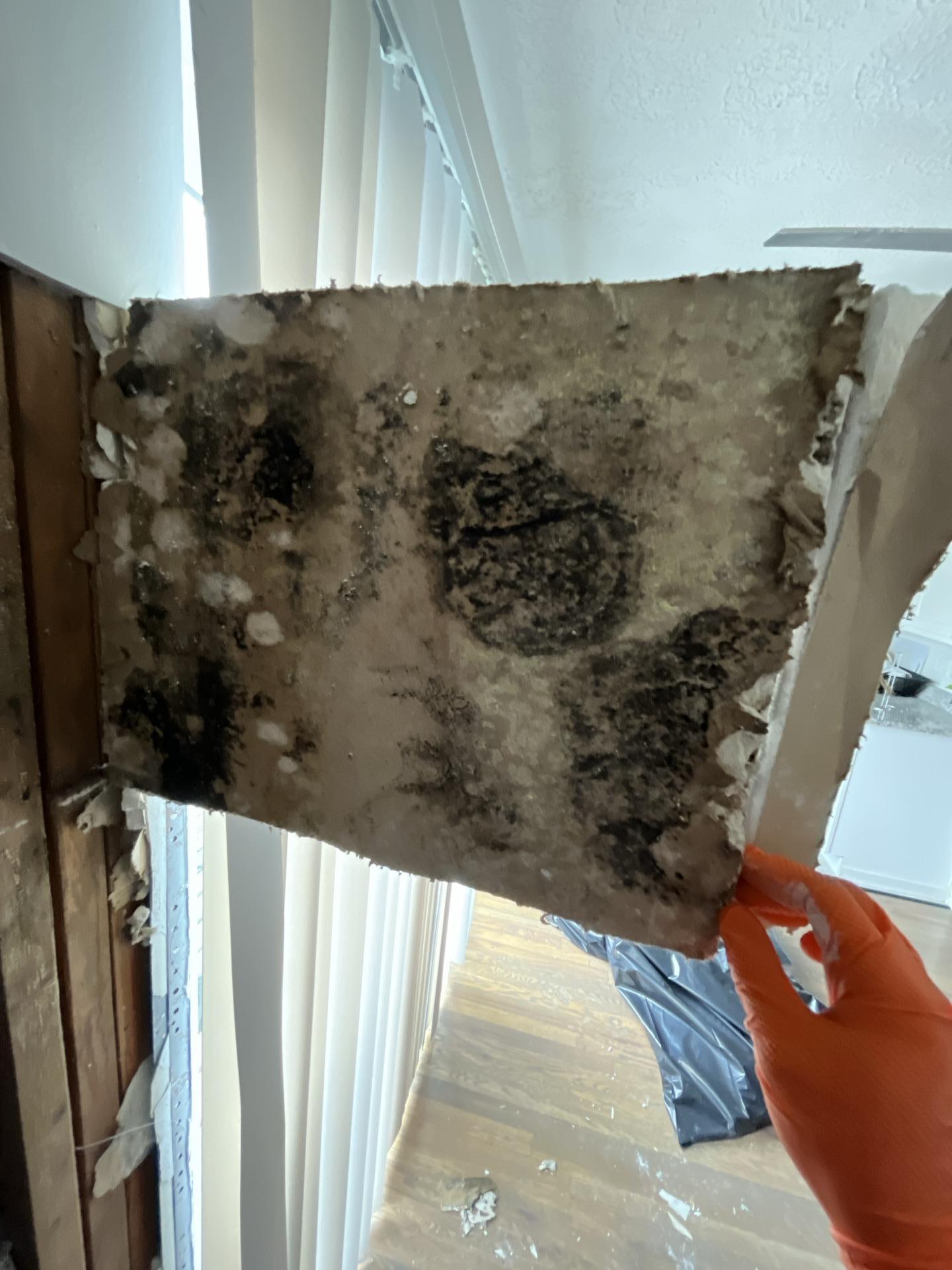
Why mold issues in Cincinnati shouldn’t be ignored
In Greater Cincinnati, mold is often tied to basement humidity, seasonal moisture changes, and water damage from leaks or storms. Even small, slow leaks can create mold over time, especially behind drywall or under flooring where moisture stays trapped.
Addressing mold early can help:
If you’re seeing recurring mold, it’s a sign that the underlying moisture issue hasn’t been fully resolved.
CALL: (513) 909-6540Help with insurance when mold follows water damage
Mold sometimes appears after a water damage event, especially if drying was delayed or incomplete. Insurance handling can vary widely depending on cause and policy language, so we focus on clear documentation and practical next steps.
We can assist by:
If you’re unsure whether a mold issue is related to a recent leak or water loss, call us. We’ll help you sort out what’s happening.
CALL: (513) 909-6540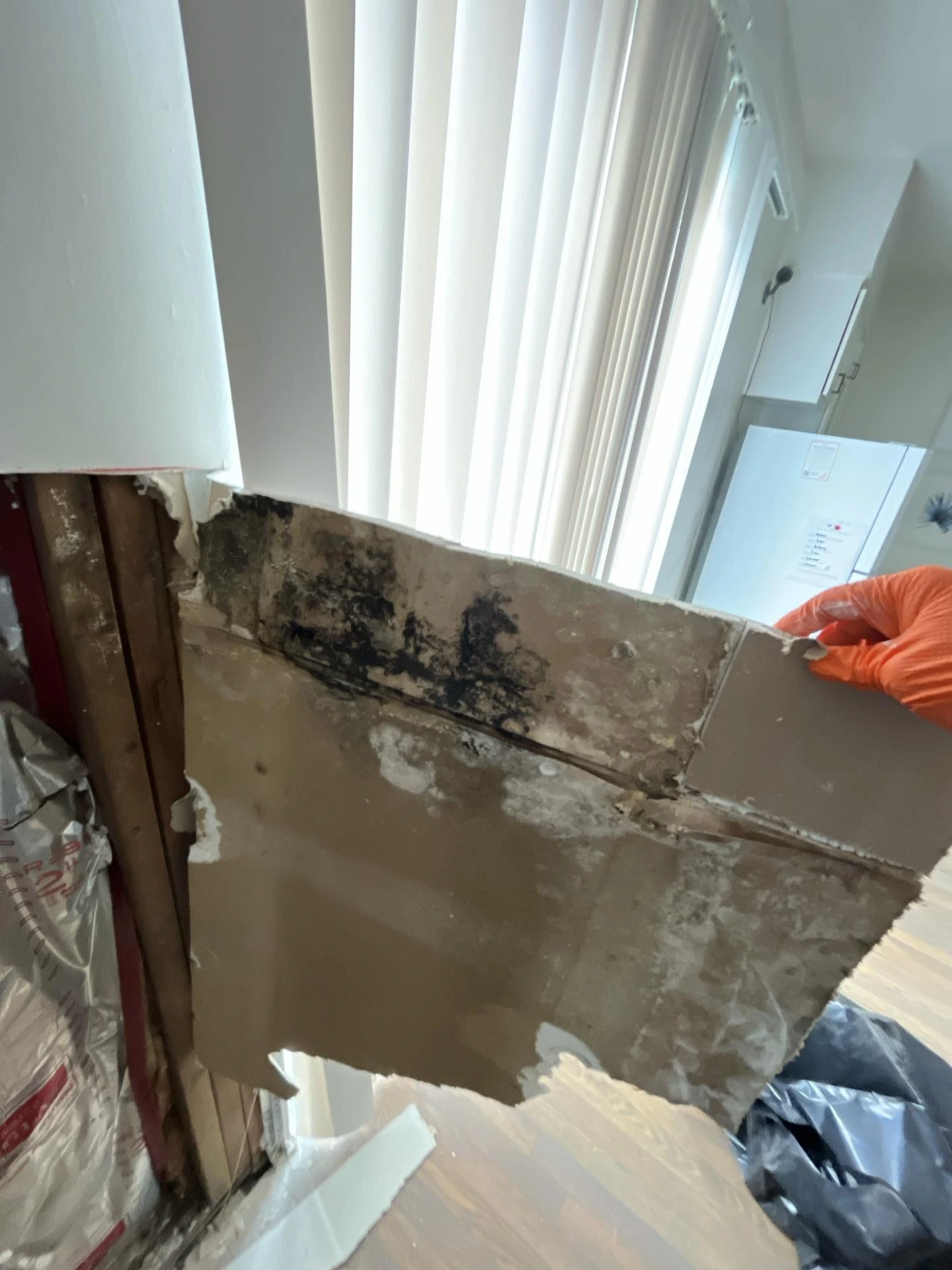
Serving Greater Cincinnati & Nearby Areas
Ohio
Kentucky
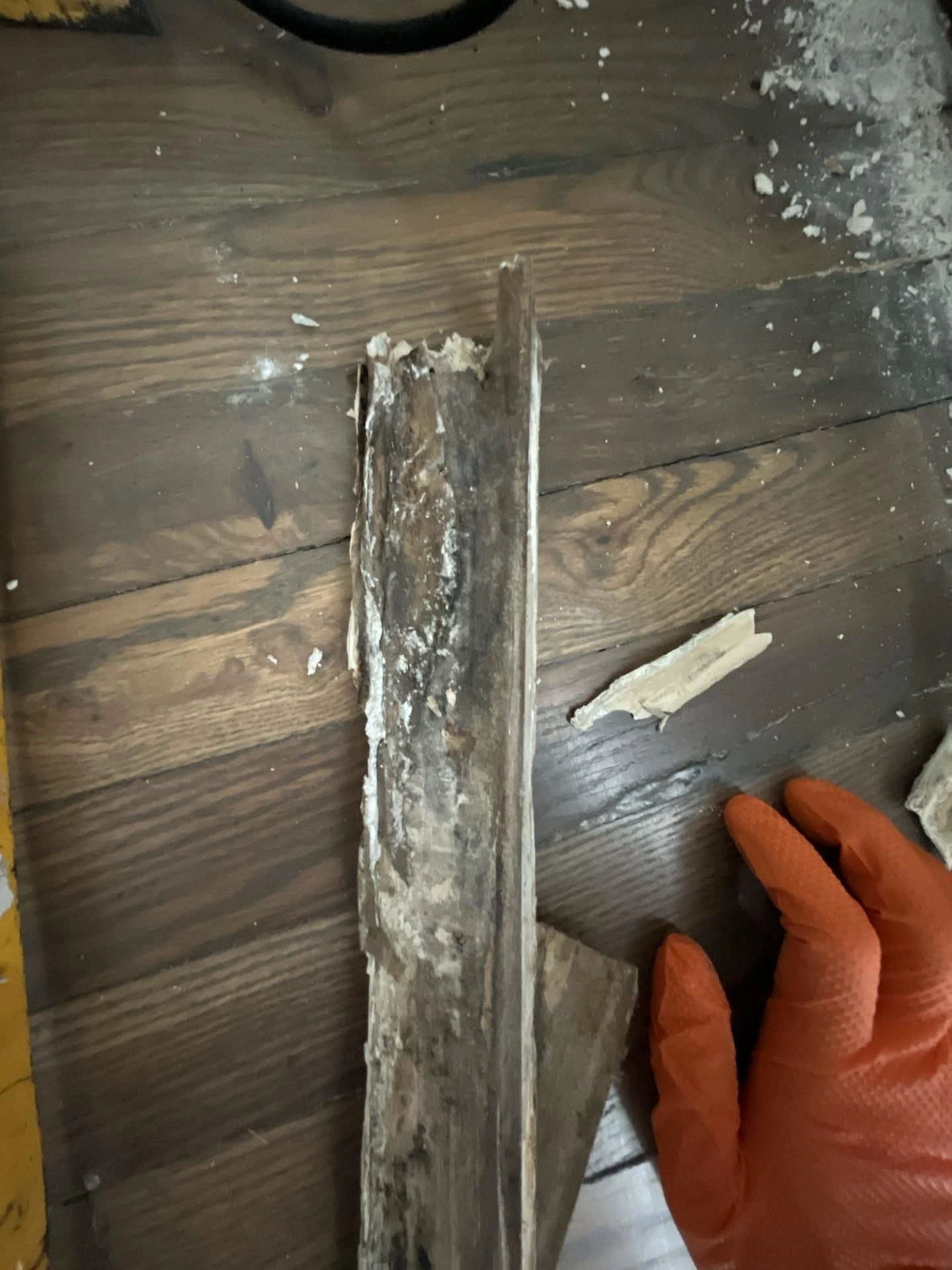
Signs you may need professional mold remediation
Not every dark spot is mold, and not every mold problem is obvious. Here are common signs that it’s time to get a professional assessment:
If you’re dealing with any of these in Cincinnati or nearby areas, call (513) 909-6540 and we’ll help you evaluate the situation.
CALL: (513) 909-6540Frequently asked questions about mold remediation
Is mold dangerous?
Mold can impact comfort and indoor air quality, and some people are more sensitive than others. The bigger issue is that mold often signals ongoing moisture problems inside building materials. Professional remediation focuses on safe removal and preventing spread while addressing the moisture source so the issue doesn’t keep returning. If you’re in Greater Cincinnati and suspect mold, call (513) 909-6540 for guidance.
What’s the difference between mold removal and mold remediation?
Mold removal often implies cleaning what you can see. Mold remediation focuses on the full process: identifying the moisture source, containing the affected area, removing contaminated materials when necessary, cleaning thoroughly, and preventing recurrence. Remediation is designed to solve the problem, not just make the area look better temporarily.
How do you know where the mold is coming from?
We look for moisture sources such as leaks, condensation, high humidity, and prior water damage. Mold typically grows where moisture lingers, including behind drywall, under flooring, in basements, and around bathrooms or HVAC components. Identifying the source is key to preventing the mold from returning.
Can I just clean mold with bleach?
In some cases, surface cleaning may remove visible staining, but it often doesn’t address hidden growth or the moisture source. Bleach is not a full remediation strategy, and it can give a false sense of security if mold remains in porous materials or behind walls. If mold is recurring or you smell mustiness, it’s best to get a professional assessment.
How long does mold remediation take?
It depends on how widespread the affected area is and what materials are involved. Small, localized issues may be handled quickly, while larger or hidden mold problems can take longer, especially if material removal and drying are needed. We’ll explain the scope clearly after assessment so you know what to expect.
Will mold come back after remediation?
It can if the moisture issue isn’t solved. That’s why remediation includes guidance on prevention and, when needed, structural drying or humidity control recommendations. Fixing leaks, improving ventilation, and managing basement humidity are often key to keeping mold from returning in Cincinnati-area homes.
Does insurance cover mold remediation?
Coverage varies widely based on the cause and your policy. Mold tied to a covered water loss may be treated differently than mold caused by long-term moisture or maintenance issues. We can document conditions and explain the remediation steps, which can be helpful during the claim process.
What should I do if I smell mold but can’t find it?
A musty odor often indicates hidden moisture or mold growth behind walls, under flooring, or in basements and crawl spaces. Avoid masking it with air fresheners and try to identify moisture sources like leaks or condensation. Call (513) 909-6540 and we’ll help you determine the next step for inspection and remediation.
How much does mold remediation cost in Cincinnati?
Pricing depends on the size of the affected area, how accessible it is, and whether materials need to be removed and replaced. A small spot on a bathroom wall is very different from hidden mold behind finished basement walls. The best way to get accurate cost guidance is an on-site assessment. Call (513) 909-6540 and we’ll help get clarity quicly.