
Ceiling Water Damage Repair Cost – Save Massive Cash
June 12, 2026
Understanding Ceiling Water Damage Repair Cost After a Sudden Home Flood Waking up to the sound of rushing water downstairs…
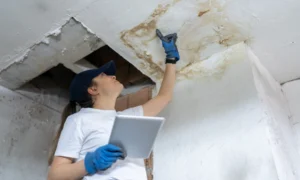



Dealing with property damage is stressful enough. Once insurance gets involved, things can feel even more overwhelming. Between paperwork, inspections, and unfamiliar terms, many homeowners are unsure what to do next or how to avoid costly mistakes.
Whether you’re dealing with burst pipe water damage, storm damage, or a leaking roof, understanding how insurance claims work in restoration can make a big difference in how smoothly your project goes.
This guide breaks down practical insurance claim tips, common pitfalls to avoid, and what to expect during the restoration process so you can move forward with confidence.
When water or storm damage happens, the focus is usually on stopping the damage and drying the property. But right behind that is the insurance side, which plays a major role in how the entire project unfolds.
Insurance claims help document what happened, what was affected, and what work is needed to restore the property. This includes:
Clear documentation helps keep everything organized and easier to follow, especially when multiple steps are involved from cleanup to build-back.
Acting quickly can help limit damage and make the claims process easier.
Start by stopping the source of the problem if possible. This could mean shutting off the water supply, covering a roof leak, or turning off electricity in affected areas.
Next, document everything. Take photos and videos of all visible damage before anything is moved or cleaned up. This creates a clear record of the initial condition.[6]
Then, contact a restoration company as soon as possible. Early mitigation helps reduce further damage and provides professional documentation from the beginning.
Every claim is different, but most follow a similar structure.
Throughout this process, having clear communication and organized documentation helps keep things moving forward.
Many delays and frustrations come from avoidable mistakes. Here are some of the most common pitfalls homeowners run into.
Delays can allow damage to spread, especially with water. This can make the situation more complicated and harder to document clearly.
If there is no record of the original condition, it becomes harder to explain how the damage started and how far it spread.
Damaged items can serve as proof of loss. Removing them too early can make it harder to support your claim.
Misunderstandings often happen when there is no consistent communication between the homeowner, restoration team, and insurance provider.
If all affected areas are not properly identified early on, it can lead to gaps in the restoration process later.
Staying organized and proactive can make a big difference.
Keep all photos, emails, and documents related to the damage in one place. This helps you stay on top of the process and reference details when needed.
Write down a simple timeline of events. Include when the damage started, when you noticed it, and what steps were taken. This helps create a clear story of what happened.
Ask questions whenever something is unclear. Understanding each step helps you stay informed and avoid surprises.
Work with a restoration team that provides detailed documentation. This includes moisture readings, photos, and job notes that clearly show what was done and why.
Documentation is one of the most important parts of the entire process.
Good documentation shows:
This information helps keep everything organized and easy to follow from start to finish. It also supports a smoother transition from mitigation to repairs.
At H2O Restoration, we focus on keeping documentation clear and simple. We provide photo records, moisture readings, and detailed job notes so every step is easy to understand.
A professional restoration company does more than just dry and repair your property.
They help document the damage in detail, track moisture levels, and provide a clear scope of work. This helps keep everything organized and easier to follow throughout the process.
They also help simplify communication by keeping records of what was done and when. This helps reduce confusion and keeps everyone aligned.
In many cases, restoration companies can also handle direct billing where possible, helping streamline the process so you can focus on getting your home back to normal.
Many homeowners are surprised to learn that restoration happens in phases.
Mitigation focuses on stopping the damage and drying the property. This includes water extraction, dehumidification, and removing damaged materials when needed.
Repairs, or build-back, come after everything is dry. This includes replacing drywall, flooring, trim, and restoring the space to its original condition.
Understanding this difference helps set clear expectations for the process and timeline.
With more frequent storms and unpredictable weather patterns, property damage events are becoming more common.[1]
Homeowners should be prepared by:
Quick action and proper documentation are more important than ever in today’s environment.[6]
Insurance claims in restoration do not have to be confusing. With the right approach, clear documentation, and a reliable restoration team, the process can feel much more manageable.
The key is to act quickly, document everything, and stay informed throughout each step.
If you ever find yourself dealing with water, storm, or property damage, having a team that handles both the restoration work and the documentation side can make all the difference.
H2O Restoration is available 24/7 to help you through the entire process, from initial cleanup to full repairs, while keeping everything clear, organized, and easy to follow.