
Insurance Claim Tips & Pitfalls in Restoration: A Complete Homeowner Guide
July 14, 2026
Dealing with property damage is stressful enough. Once insurance gets involved, things can feel even more overwhelming. Between paperwork, inspections,…

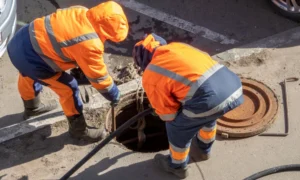



When homeowners face a sewage backup, the immediate concern is not only health risks but also the rising sewage clean fee that comes with emergency response and restoration. Understanding how this fee is calculated can help you make smarter financial decisions during a stressful situation.
The sewage clean fee typically includes labor, equipment, contamination level, disposal requirements, and time sensitivity. When contamination is classified as black water, costs increase significantly due to hazardous material handling and sanitation protocols. Many property owners are unaware that even minor delays can multiply total expenses.
One of the main reasons the sewage clean fee increases is time delay. The longer waste sits, the more damage it causes to flooring, drywall, and structural components. Within hours, bacteria spreads rapidly, requiring deeper sanitation and material removal.
Another factor is contamination classification. Clean-up professionals categorize sewage as hazardous, meaning specialized equipment and protective gear are required. This elevates labor costs and disposal fees.
Insurance coverage also plays a major role. Some policies partially cover sewage incidents, while others exclude them entirely unless specific riders are included. Homeowners often discover gaps in coverage after the damage has occurred.
To reduce your sewage clean fee, immediate action is critical. The faster you contact a certified restoration team, the lower your overall remediation cost will be. Quick response limits material damage and reduces labor hours.
Documentation is also essential. Taking photos, recording affected areas, and communicating clearly with your insurance provider can help maximize your claim benefits. Many claims are delayed due to missing or incomplete evidence.
Professional restoration companies use advanced extraction systems, industrial drying equipment, and antimicrobial treatments to prevent long-term structural issues. While DIY attempts may seem cheaper, they often lead to higher costs due to incomplete cleanup.
The sewage clean fee varies depending on square footage, contamination severity, and required demolition. Small-scale incidents may involve simple extraction, while severe backups require full flooring and wall removal.
Certified technicians follow strict industry guidelines to ensure safety and compliance. These standards are essential for preventing future mold growth and structural instability.
Preventative maintenance is one of the most effective ways to avoid high sewage clean fee expenses. Regular plumbing inspections, drain cleaning, and proper waste disposal habits significantly reduce risk.
Installing backflow prevention valves can also protect your home from future sewage backups. These devices are relatively affordable compared to emergency restoration costs.
Homeowners should also monitor warning signs such as slow drains, foul odors, and gurgling pipes. Early detection can prevent major disasters.
The sewage clean fee is influenced by multiple variables that homeowners often overlook. One of the most significant is property size. Larger homes require more equipment, more labor hours, and more disposal capacity, all of which increase total expenses.
Another important factor is the extent of contamination spread. If sewage is contained within a single bathroom, the cost remains relatively controlled. However, if it spreads into hallways, living spaces, or HVAC systems, remediation becomes significantly complex and expensive.
Material type also plays a role. Porous materials such as carpet, drywall, and insulation absorb contaminants quickly and often must be fully removed and replaced. Non-porous surfaces like tile or concrete are easier to clean and disinfect, reducing overall costs.
Understanding your insurance policy before a disaster occurs can greatly reduce stress when dealing with a sewage clean fee. Some policies cover sudden pipe failures but exclude gradual issues or maintenance-related backups.
Filing claims promptly and accurately is essential. Delays can result in denied claims or reduced payouts. Keeping receipts, inspection reports, and photographic evidence improves claim approval rates significantly.
Working with licensed restoration companies can also help streamline insurance communication. Many providers directly coordinate with insurers to simplify billing and documentation.
Time is the most critical factor in controlling the sewage clean fee. Within the first hour of contamination, bacteria begins to spread rapidly, increasing both health risks and cleanup complexity.
Within 24 hours, structural materials begin to degrade, requiring demolition rather than cleaning. This shift dramatically increases overall costs.
Certified emergency teams operate 24/7 to minimize damage windows and reduce financial impact. Their rapid response systems are designed specifically to control escalating restoration expenses.
Sewage exposure introduces serious health hazards including bacteria, viruses, and toxic gases. Attempting to handle cleanup without proper equipment increases both health risks and long-term contamination issues.
Professional technicians use protective gear, HEPA filtration systems, and antimicrobial treatments to ensure safe restoration. These safety measures are factored into the sewage clean fee but are essential for preventing future health complications.
Reducing future sewage clean fee risks requires proactive maintenance. Homeowners should schedule annual plumbing inspections and monitor aging pipe systems.
Tree root intrusion is another common cause of sewer line damage. Addressing landscaping issues early can prevent expensive underground repairs.
Installing smart leak detection systems can also alert homeowners before major backups occur, significantly reducing potential restoration costs.
Ultimately, managing a sewage clean fee is about preparation, awareness, and immediate action. Homeowners who understand risk factors and invest in preventative measures consistently experience lower restoration expenses over time.