
Water Damage Restoration in Hyde Park
July 14, 2026
H2O Restoration provides expert solutions for water damage in Hyde Park. Trust their professional team to restore your property efficiently…
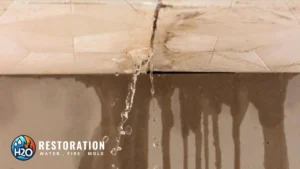

Choosing a trustworthy water damage restoration company matters whether you’re a homeowner or run a business facing leaks or flooding. This guide explains what to check, how to compare companies, the emergency repair steps, and ways to manage restoration costs so you get fast, effective service and reduce risks like mold and structural damage.
Focus on a few essentials to find a reliable contractor.
H2O Restoration serves homeowners and businesses in Greater Cincinnati and Northern Kentucky, offering emergency water extraction, mold remediation, structural drying, and full property restoration.
Certification and proper licensing indicate trained technicians who follow accepted procedures and safety rules. IICRC-certified teams are more likely to use correct drying and remediation methods, protecting both the crew and your property.
Quick response reduces the extent of damage and the risk of mold. A 24/7 company can remove water sooner, speed up drying, and often lower repair costs and disruption.
Compare companies by qualifications, reputation, and response capability.
A full-service company reduces coordination work by handling extraction, drying, mold remediation, and repairs.
Reviews and local word-of-mouth indicate how a company treats customers and handles problems. A reputable local firm often provides faster service and greater accountability.
Knowing the core steps sets expectations during an emergency response.
Removing standing water quickly reduces soaking into materials, lowers structural damage risk, and shortens drying time, improving restoration outcomes.
Mold can cause respiratory and other health issues. Professional remediation removes contamination and reduces the chance of recurrence, restoring safe indoor conditions.
Research shows mold can develop rapidly after water intrusion, so timely action is essential for health and safety.
Mold Health Risks & Rapid Water Damage Remediation
Workers, first-responders, homeowners, and volunteers who clean up moldy buildings after storms or flooding can face health problems. Damp materials — especially those that contain cellulose, like wood or drywall — are easy for mold and bacteria to grow on. During cleanup or demolition the amount of airborne microbes and their by-products can rise and create exposure risks. People exposed without protection may have symptoms affecting their airways, skin, or other organs. Experts recommend dealing with moisture quickly because significant mold growth can start within 48 hours. Common advice is to remove the source, clean with soap and water, do bulk removal when needed, and follow up with high-efficiency particulate air (HEPA) vacuuming in most cases.
Review of health hazards and prevention measures for response and recovery workers and volunteers after natural disasters, flooding, and water damage: mold and …, E Johanning, 2014
Understanding cost drivers helps you plan and avoid surprises.
Price depends on area affected, services required, and site access. Specialized work and larger areas increase cost.
Filing a claim typically requires documentation and coordination with your insurer and the restoration company.
These steps and cost considerations make it easier to choose a company and manage the restoration budget.
For homeowners and businesses in Greater Cincinnati and Northern Kentucky seeking reliable water damage restoration , H2O Restoration offers comprehensive services.
To learn more about H2O Restoration and their commitment to quality service, visit their website.
If you require immediate assistance or have any questions, you can contact us directly for a prompt response.
Ensure safety first. Avoid contaminated water, shut off power to the area, stop the source if possible, and document damage with photos. Then call a restoration professional to assess and begin mitigation.
Timelines vary by damage severity and scope. Small jobs may take days; larger or mold-affected jobs can take weeks. A site assessment gives the best estimate.
Minor drying tasks are manageable, but significant water intrusion, hidden moisture, or mold are best handled by trained professionals with proper equipment to avoid lasting problems.
Homeowners and renters policies may cover sudden, accidental water damage (like a burst pipe); flooding usually requires separate flood insurance. Check policy details with your insurer.
Regular maintenance prevents many issues: keep roofs and gutters clear, install a sump pump in basements, check plumbing for leaks, and consider leak-detection devices and landscaping that directs water away from foundations.
Visible mold, a musty odor, stains on surfaces, increased humidity, or respiratory irritation can indicate mold. If you see these signs, arrange professional inspection and remediation.
Choosing the right restoration company speeds recovery and helps prevent long-term problems. Emphasize experience, certifications, quick response, and positive reviews to protect your property and health. Contact qualified professionals when you need prompt help.