
Emergency Water Damage Restoration: 24/7 Rapid Help
June 12, 2026
Discovering standing water in your home or business is a high-stress emergency that demands immediate professional intervention. Every minute that…


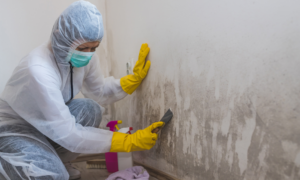
Waking up to the sound of rushing water downstairs can instantly trigger panic for any property owner. A compromised lower level, burst plumbing line, or failed foundation drainage system creates immediate structural safety risks along with serious financial pressure. In these situations, the most urgent concern is often understanding the full flood damage restoration cost before agreeing to any professional mitigation service.
Flood emergencies are overwhelming because they demand immediate action while involving complex pricing structures that most homeowners are not prepared for. Without a clear understanding of how restoration costs are calculated, it becomes easy to feel uncertain when presented with the final invoice. Learning what drives flood damage restoration cost helps you stay informed, reduce stress, and make better decisions during a crisis.
Flooding inside a home is never a slow-moving issue. Water spreads quickly through flooring, drywall, insulation, and structural framing, often reaching hidden areas before it becomes visible. Once water intrusion begins, the longer it sits, the more damage it causes to both structure and indoor air quality.
When a restoration team arrives, their first priority is to stop active water intrusion and stabilize the property. This may include shutting off water sources, extracting standing water, and preventing further structural collapse or electrical hazards.
After stabilization, the technical restoration process begins. Industrial equipment such as air movers, dehumidifiers, and moisture detection systems are deployed to remove moisture from visible and hidden materials. Every step of this process contributes directly to your final flood damage restoration cost.
Because flood events often affect multiple structural layers at once, the recovery process is more complex and time-consuming than standard water damage incidents.
Restoration pricing is not random. Most professional mitigation companies rely on standardized estimating software like Xactimate to ensure accurate, transparent, and region-based pricing. This means your flood damage restoration cost is tied to real labor rates, equipment usage, and material expenses in your area.
The severity and spread of water damage is one of the biggest cost drivers. A small localized leak is significantly cheaper to repair than widespread flooding affecting multiple rooms or floors.
If water reaches subfloor systems, wall cavities, or structural framing, additional demolition and reconstruction may be required. The more building layers affected, the higher the total restoration cost becomes.
Drying is one of the most expensive and time-intensive phases of flood restoration. Industrial drying equipment often runs continuously for several days to ensure complete moisture removal and to prevent mold growth.
Each day equipment operates contributes to your flood damage restoration cost, including:
Technicians take frequent moisture readings to determine when materials are fully dry and safe for reconstruction.
One of the most challenging aspects of flood damage is hidden moisture. Water often travels behind walls, beneath flooring, and into structural cavities before it becomes visible.
When this happens, technicians may need to remove sections of flooring or drywall to properly access and dry affected areas. This increases both labor time and material replacement costs, significantly impacting your flood damage restoration cost.
Floodwater is typically categorized based on contamination risk:
Higher contamination levels require stricter safety procedures such as protective gear, antimicrobial treatments, and removal of contaminated materials.
These additional requirements significantly increase your flood damage restoration cost due to labor intensity, disposal regulations, and health safety protocols.
Insurance coverage can help reduce the financial burden of flood damage, but policies vary widely. Many homeowners assume full coverage exists, but deductibles, exclusions, and coverage limits often apply.
Proper documentation is essential for claim approval. Homeowners should:
This documentation helps validate your flood damage restoration cost and supports a smoother insurance claim process.
Choosing the right restoration company is critical to ensuring proper cleanup and fair pricing. Unqualified contractors may underestimate moisture levels or skip important drying steps, leading to long-term issues like mold growth or structural deterioration.
Reputable companies are typically certified by the Institute of Inspection, Cleaning and Restoration Certification (IICRC), ensuring they follow strict industry standards.
Certified professionals usually provide:
Working with certified experts ensures your flood damage restoration cost is properly documented and based on verified work performed.
While flooding cannot always be avoided, many incidents are preventable through regular maintenance and preparation. Small issues often escalate into major disasters if ignored.
Homeowners should regularly:
Preventive maintenance significantly reduces the likelihood of severe flooding and helps avoid costly emergency restoration situations.
Managing flood damage requires both immediate action and financial awareness. Understanding how your flood damage restoration cost is calculated helps you stay in control during a stressful and unexpected emergency.
From equipment usage and contamination levels to hidden moisture and insurance documentation, every factor contributes to the final expense. Being informed ahead of time reduces confusion, prevents financial surprises, and helps homeowners make better decisions when time is critical.
Ultimately, flood restoration is not just about removing water—it is about restoring structural safety, preventing long-term damage, and ensuring your home is fully stable, healthy, and livable again.


