
How to Lower Commercial Structural Drying Cost Fast
June 13, 2026
How to Lower Commercial Structural Drying Cost Fast Discovering a heavy, humid environment spreading across your commercial real estate layout…



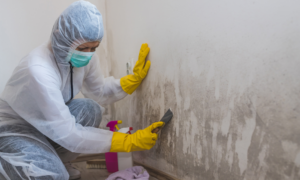

Understanding Your Emergency Cleanup Rate After Water Damage
Imagine walking downstairs at midnight only to find your basement has turned into a shallow indoor pool. This type of disaster is more common than most homeowners realize, whether caused by burst pipes, appliance failures, heavy rainfall, or storm surge. In those first moments, panic quickly sets in—not only about structural damage but also about the financial impact of restoration. The most pressing concern for many families becomes understanding the final emergency cleanup rate before agreeing to any service.
Water damage situations are urgent, emotional, and financially stressful. Without preparation or knowledge of how restoration pricing works, homeowners often feel overwhelmed when receiving the final invoice. However, understanding how these costs are calculated can help you stay in control during a crisis and avoid unnecessary financial surprises.
Property emergencies rarely give advance notice. A pipe can burst in the middle of the night, an appliance hose can fail while you’re away, or heavy storms can overwhelm drainage systems in minutes. When professional restoration teams arrive, their first priority is always stopping the source of water and preventing further structural damage.
Behind the scenes, however, a detailed system begins tracking every step of the recovery process. Air movers, dehumidifiers, moisture meters, and labor hours are all recorded carefully. These tracked elements directly influence your final emergency cleanup rate, which is why understanding what contributes to it is essential.
Homeowners who are unaware of how these charges accumulate often experience “sticker shock” once the project is completed. The key to avoiding this is learning what drives pricing before an emergency happens.
One of the most important things to understand is that restoration pricing is not arbitrary. Most professional mitigation companies rely on standardized estimating software, such as Xactimate, to determine fair and region-specific costs. This ensures that your emergency cleanup rate reflects actual market labor and material pricing rather than guesswork.
The larger the affected area, the higher the cost of restoration. A small bathroom leak will require significantly fewer resources than a flooded basement or multi-room water intrusion. When water spreads behind walls, under flooring, or into insulation, specialized drying techniques are required, increasing both time and equipment usage.
Drying is one of the most critical stages in restoration. Industrial equipment such as air movers and dehumidifiers often run continuously for several days. Each day equipment operates adds to your total emergency cleanup rate due to electricity usage, equipment rental, and monitoring labor.
Technicians also perform daily moisture readings to ensure drying is progressing properly. These readings help determine when equipment can be safely removed, preventing unnecessary extended charges.
Not all water damage is the same. Restoration professionals classify water into categories:
As contamination levels increase, so do safety requirements. Category 3 situations require protective gear, antimicrobial treatments, and disposal of affected materials. These additional steps significantly impact your final emergency cleanup rate.
Insurance plays a major role in managing water damage expenses, but coverage is not always as straightforward as homeowners expect. Policies often include deductibles, exclusions, and limitations that can leave gaps in coverage.
To ensure smoother claims processing, documentation is essential. Homeowners should:
These records help justify each line item in your final emergency cleanup rate, making it easier for insurance providers to process claims accurately and efficiently.
Selecting a qualified restoration company is one of the most important decisions you will make during a water damage emergency. Not all contractors follow the same standards, and hiring an unqualified team can lead to incomplete drying, mold growth, or inflated costs.
Reputable professionals are typically certified by organizations such as the Institute of Inspection, Cleaning and Restoration Certification (IICRC). These certifications ensure technicians follow industry-approved procedures and safety protocols.
Certified teams provide:
Working with trained professionals helps ensure your emergency cleanup rate is fair, justified, and aligned with actual work performed.
While emergencies cannot always be avoided, many can be prevented with regular maintenance. Small issues often lead to major damage if ignored over time.
Homeowners should routinely:
These preventative steps significantly reduce the risk of large-scale water intrusion and help avoid future emergency restoration expenses.
Water damage restoration requires both immediate action and financial awareness. Understanding how your emergency cleanup rate is calculated allows you to make informed decisions during a stressful situation. From equipment usage and contamination levels to insurance documentation and contractor selection, every factor plays a role in your final cost.
The best protection is preparation. Knowing what to expect before disaster strikes helps you stay calm, organized, and financially protected when emergencies occur.
When handled properly, restoration is not just about repairing property—it’s about restoring safety, stability, and peace of mind for your home and family.anding by to provide elite technical solutions immediately to prevent further long-term visual or structural degradation of your precious household assets.


