
Ceiling Water Damage Repair Cost – Save Massive Cash
June 12, 2026
Understanding Ceiling Water Damage Repair Cost After a Sudden Home Flood Waking up to the sound of rushing water downstairs…
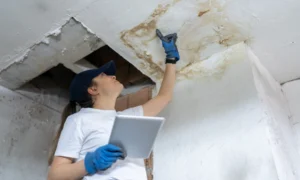


Waking up to the sound of rushing water downstairs can instantly trigger panic for any property owner. A compromised lower level, overflowing plumbing system, or foundation drainage failure can create immediate structural safety hazards along with serious financial pressure. In these situations, the most urgent concern is often determining the full sewage backup cleanup cost before signing any restoration agreement.
Sewage-related water damage is especially stressful because it involves both structural contamination and health risks. Unlike clean water incidents, sewage backups require specialized cleanup procedures, strict safety protocols, and often full material removal. Understanding how sewage backup cleanup cost is calculated helps homeowners stay informed, avoid confusion, and make better decisions during an emergency.
Sewage backups are among the most serious types of water damage. When contaminated water enters a home, it can spread quickly through flooring, walls, insulation, and structural framing. Beyond the visible damage, harmful bacteria and pathogens create immediate health hazards.
When a restoration team arrives, their first priority is to stop the active source of contamination and contain the affected area. This may include shutting off plumbing systems, isolating contaminated zones, and preventing further spread.
Once the situation is stabilized, the technical cleanup process begins. Industrial equipment such as air movers, dehumidifiers, extraction systems, and disinfecting agents are deployed. Every step in this process contributes directly to your final sewage backup cleanup cost.
Because sewage cleanup involves both remediation and sanitation, it is significantly more complex than standard water damage restoration.
Restoration pricing is not arbitrary. Most professional mitigation companies use standardized estimating systems like Xactimate to ensure transparent, region-based pricing. This ensures your sewage backup cleanup cost reflects real labor rates, equipment usage, and material requirements.
One of the biggest cost drivers is how far the sewage has spread. A localized backup in a bathroom is far less expensive than contamination that reaches multiple rooms or structural levels.
If sewage penetrates flooring systems, drywall, or subfloor structures, extensive demolition may be required. The larger the affected area, the higher the cleanup and restoration cost.
Drying and decontamination are critical parts of the restoration process. Industrial equipment often runs continuously for several days to remove moisture and prevent microbial growth.
Each day equipment is active contributes to your sewage backup cleanup cost, including:
Technicians take frequent readings to ensure the structure is fully dried and safe for reconstruction.
Sewage damage is typically classified as Category 3 water, which contains dangerous biological contaminants. This classification significantly increases cleanup complexity.
Category 3 situations require:
These safety requirements significantly increase your sewage backup cleanup cost due to labor intensity, protective measures, and regulated disposal requirements.
Unlike clean water damage, sewage backups often require removal of affected materials such as:
In severe cases, structural components may also require replacement if contamination has spread deeply. Reconstruction costs add significantly to the total sewage backup cleanup cost, especially when multiple building layers are affected.
Insurance coverage can help offset sewage backup expenses, but policies vary widely. Many homeowners assume full coverage exists, but exclusions, deductibles, and limited sewer backup endorsements often apply.
Proper documentation is essential for claim approval. Homeowners should:
This documentation helps validate your sewage backup cleanup cost and supports smoother insurance claim processing.
Selecting the right restoration company is critical when dealing with sewage contamination. Unqualified contractors may fail to properly disinfect affected areas or may skip required removal steps, leading to long-term health hazards.
Reputable companies are typically certified by the Institute of Inspection, Cleaning and Restoration Certification (IICRC), ensuring they follow strict industry standards for hazardous cleanup.
Certified professionals typically provide:
Working with certified specialists ensures your sewage backup cleanup cost is properly justified and aligned with actual work performed.
While sewage emergencies cannot always be avoided, many are preventable with proper maintenance and awareness. Small plumbing issues often escalate into major backups if ignored.
Homeowners should regularly:
Preventive maintenance significantly reduces the risk of major sewage incidents and helps avoid expensive emergency cleanup situations.
Handling a sewage backup requires both immediate action and financial awareness. Understanding how your sewage backup cleanup cost is calculated helps you stay in control during a highly stressful emergency.
From contamination levels and equipment usage to structural removal and insurance documentation, every factor plays a role in the final expense. Being informed ahead of time reduces uncertainty and helps homeowners make better decisions when it matters most.
Ultimately, sewage cleanup is not just about removing waste—it is about restoring safety, protecting health, and ensuring your home is fully safe and livable again.


