Skip to main contentSkip to footerFlooded Basement Cleanup
A flooded basement can go from “a mess” to major damage in a hurry. Water spreads under flooring, soaks into drywall and insulation, and can leave behind odors and lingering moisture that causes long-term problems. H2O Restoration provides flooded basement cleanup across Cincinnati and nearby communities with rapid response, professional water removal, and thorough drying so your lower level can be stabilized the right way.
Basement flooding is different, and it needs a targeted approach
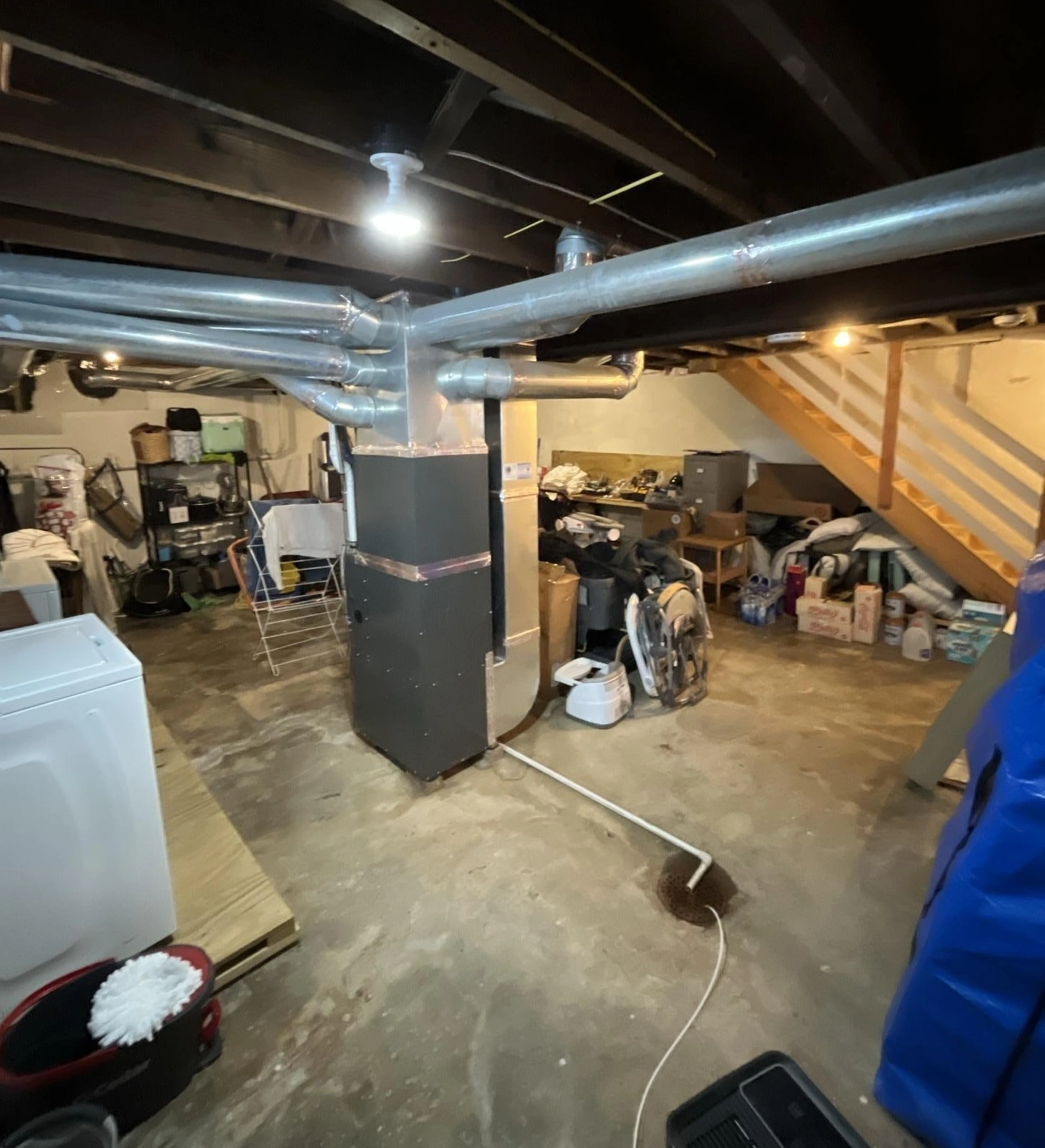
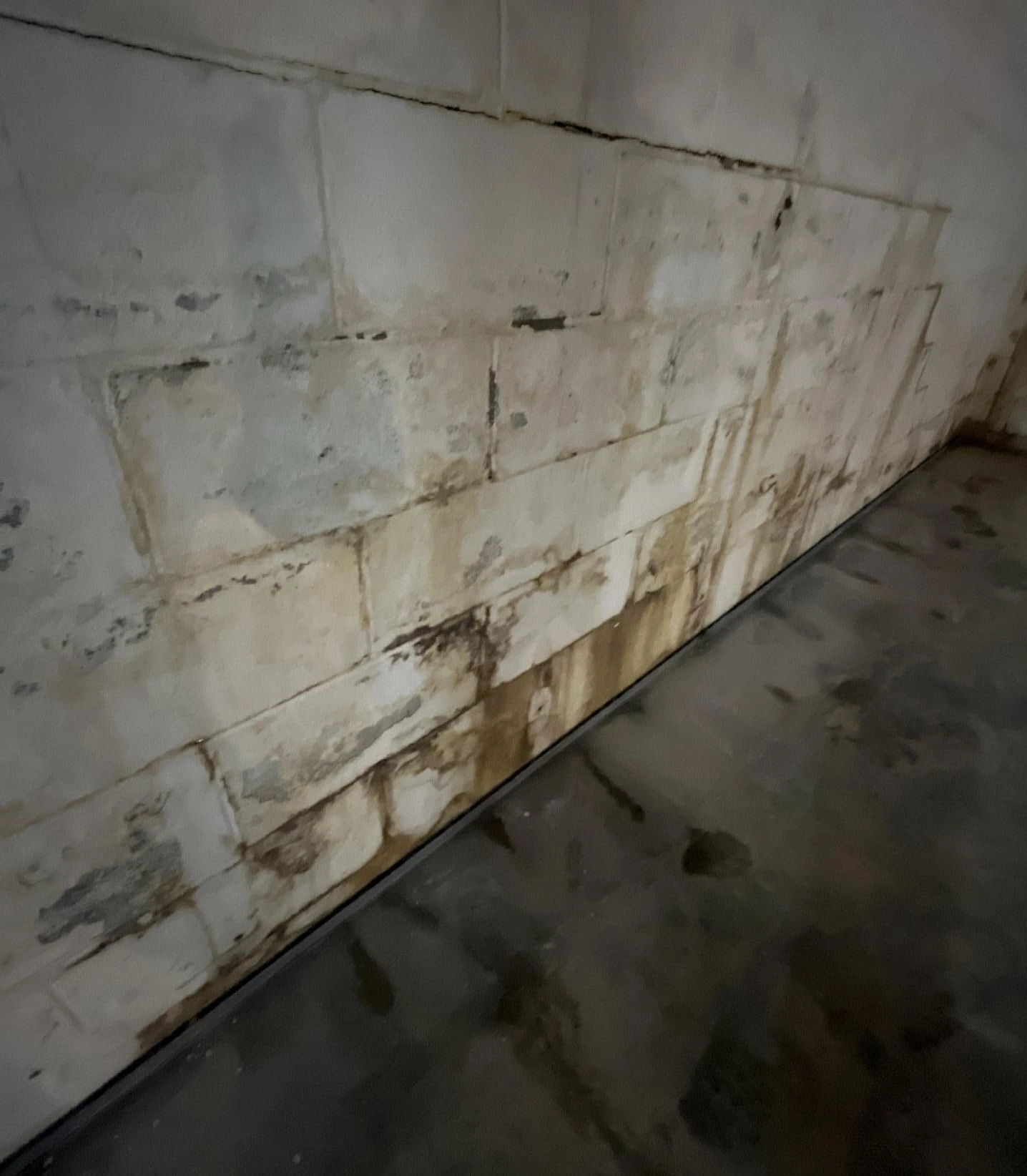
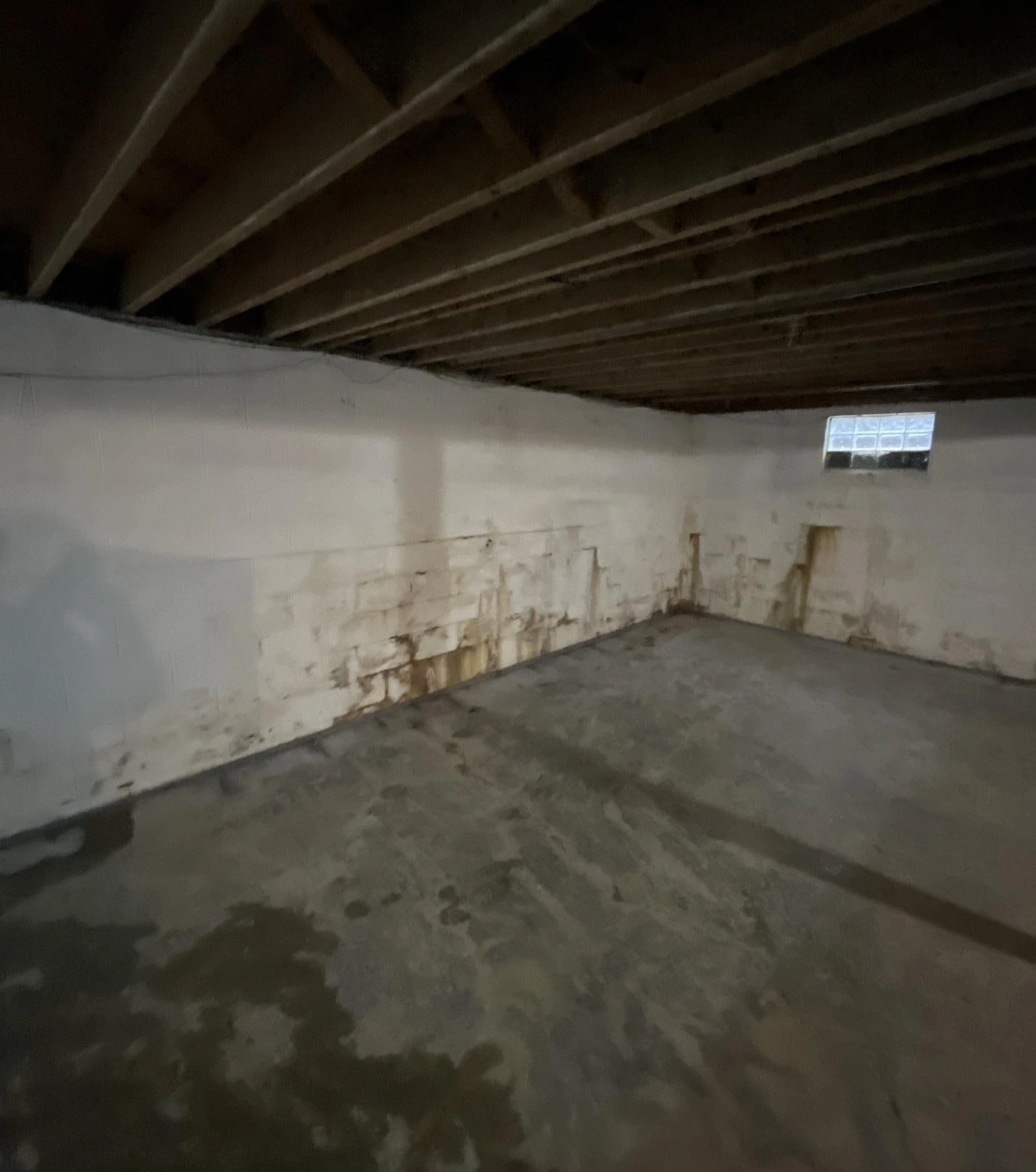
Basements are built differently than main floors. Water often pools in low spots, saturates carpet and padding quickly, and creeps into baseplates, wall cavities, and subfloors. Even when the standing water is gone, hidden moisture can remain behind finished walls and beneath vinyl, laminate, or carpet.
Our flooded basement cleanup service is designed specifically for lower-level water issues, including:
If you’re seeing water, smelling mustiness, or noticing damp walls, it’s worth getting a professional assessment quickly.
What our flooded basement cleanup includes
We focus on stabilizing the basement, removing water efficiently, drying the structure properly, and helping you understand the next step for repairs or rebuilds. Every basement flood is different, so we build the plan around what’s actually wet, not what we assume is wet.
Basement water extraction and pump-out
We remove standing water from basement floors and low points using professional extraction equipment. If the basement has significant water depth, we handle pump-out safely and move into extraction and drying as soon as conditions allow.
Moisture checks in walls, floors, and hidden areas
Basement floods often push moisture into places you can’t see. We check drywall, baseboards, framing, subfloors, and flooring transitions using moisture detection tools. This helps us locate hidden wet zones and reduce the risk of missed moisture that causes odors and mold later.
Drying and dehumidification for lower-level spaces
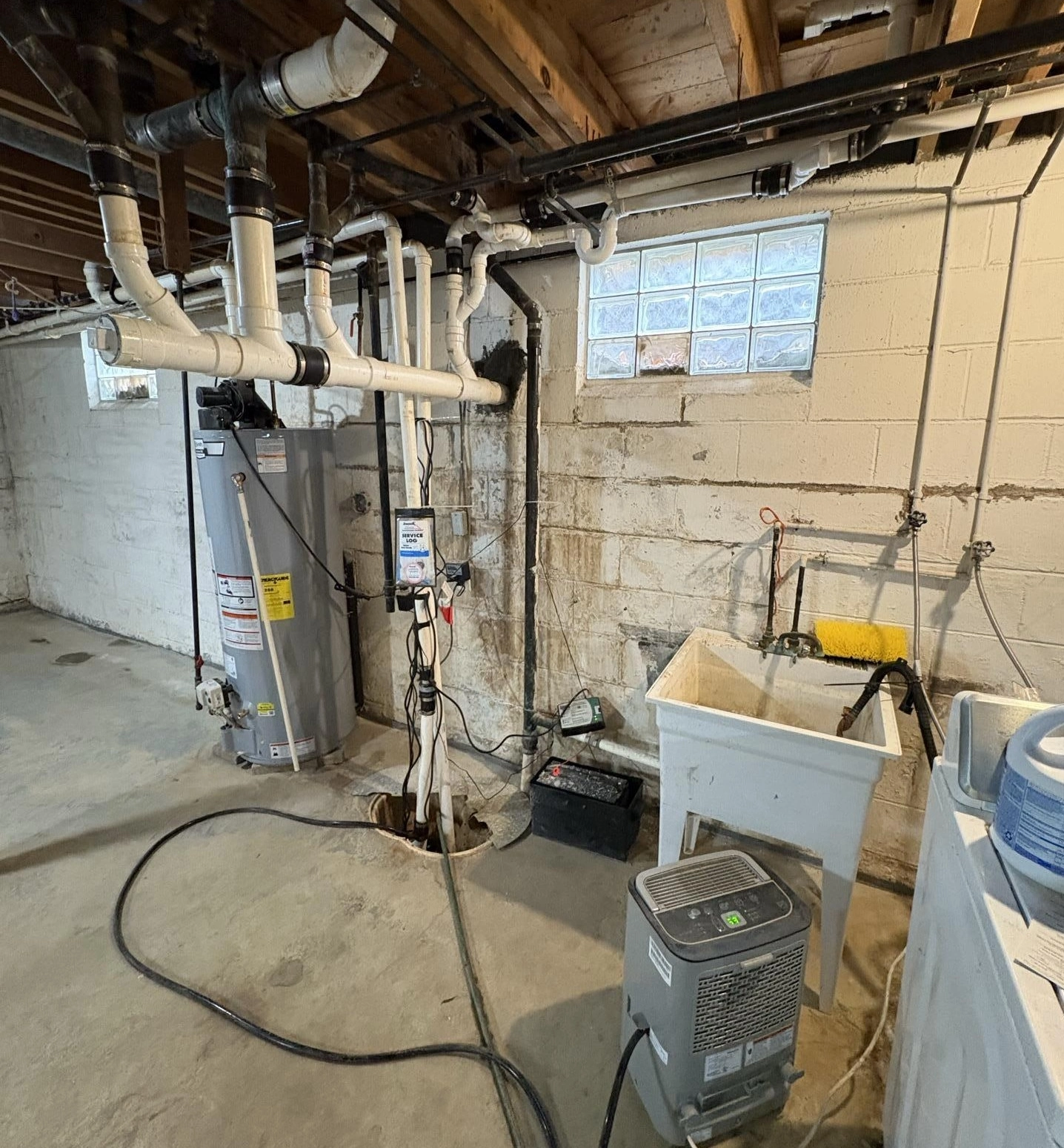
Basements hold humidity. We set up commercial-grade air movers and dehumidifiers designed to pull moisture from structural materials and control indoor humidity. This is critical for basements because they dry slower than upper levels and can trap damp air.
Ongoing monitoring and drying verification
Drying is not guesswork. We monitor moisture readings and adjust equipment placement to keep drying effective. When the job is complete, we verify dryness based on readings, not appearance.
Cleanup notes and insurance-friendly documentation
If you’re dealing with insurance, documentation can make the process easier. We provide photos, notes, and moisture readings when needed to support the scope of work and the drying process. If appropriate, we can coordinate with your adjuster to help keep things clear.
Guidance on repairs and rebuild decisions
After drying, we help you understand what materials can be saved and what may need replacement. Some basement floods only require drying and minor repairs. Others require partial demo, especially if materials were heavily saturated or contaminated. Either way, you’ll get a clear, practical plan.
How we handle a flooded basement from start to finish
We keep the cleanup organized and predictable so you know what’s happening, even in a stressful situation.
1) Assess the flooding and identify the source
We evaluate the basement, confirm where water is coming in, and identify what areas are affected. This includes checking finished walls, utility areas, and flooring transitions that often hide moisture.
2) Remove standing water and stabilize the area
We remove standing water and take steps to stabilize the space. This may include removing saturated materials when necessary, setting up airflow, and preparing the area for effective drying.
3) Set up drying equipment based on real moisture readings
We create a targeted drying setup for basements, using airflow and dehumidification to pull moisture out of materials and control humidity levels.
4) Monitor progress and fine-tune the drying plan
We track moisture levels as drying continues. Basements can have stubborn damp zones, so monitoring and equipment adjustments are key to a complete dry-out.
5) Confirm dryness and outline next steps for restoration
Once moisture targets are reached, we document completion and discuss repair recommendations so you can move forward with confidence.
Cincinnati Homeowners Reviews
When people are dealing with water damage, speed and communication matter. Here is what local customers say about working with our team.

H2O Restoration was incredible to work with from start to finish. Their team showed up quickly, explained everything clearly, and handled the entire restoration process with professionalism and care. The communication was excellent throughout, and the quality of their work exceeded expectations. I’d highly recommend them to anyone dealing with water damage or home restoration n
H2O Restoration was incredible to work with from start to finish. Their team showed up quickly, explained everything clearly, and handled the entire restoration process with professionalism and care. The communication was excellent throughout, and the quality of their work exceeded expectations. I’d highly recommend them to anyone dealing with water damage or home restoration n
H2O Restoration was incredible to work with from start to finish. Their team showed up quickly, explained everything clearly, and handled the entire restoration process with professionalism and care. The communication was excellent throughout, and the quality of their work exceeded expectations. I’d highly recommend them to anyone dealing with water damage or home restoration n
H2O Restoration was incredible to work with from start to finish. Their team showed up quickly, explained everything clearly, and handled the entire restoration process with professionalism and care. The communication was excellent throughout, and the quality of their work exceeded expectations. I’d highly recommend them to anyone dealing with water damage or home restoration n
H2O Restoration was incredible to work with from start to finish. Their team showed up quickly, explained everything clearly, and handled the entire restoration process with professionalism and care. The communication was excellent throughout, and the quality of their work exceeded expectations. I’d highly recommend them to anyone dealing with water damage or home restoration n
H2O Restoration was incredible to work with from start to finish. Their team showed up quickly, explained everything clearly, and handled the entire restoration process with professionalism and care. The communication was excellent throughout, and the quality of their work exceeded expectations. I’d highly recommend them to anyone dealing with water damage or home restoration n
H2O Restoration was incredible to work with from start to finish. Their team showed up quickly, explained everything clearly, and handled the entire restoration process with professionalism and care. The communication was excellent throughout, and the quality of their work exceeded expectations. I’d highly recommend them to anyone dealing with water damage or home restoration n
H2O Restoration was incredible to work with from start to finish. Their team showed up quickly, explained everything clearly, and handled the entire restoration process with professionalism and care. The communication was excellent throughout, and the quality of their work exceeded expectations. I’d highly recommend them to anyone dealing with water damage or home restoration n
H2O Restoration was incredible to work with from start to finish. Their team showed up quickly, explained everything clearly, and handled the entire restoration process with professionalism and care. The communication was excellent throughout, and the quality of their work exceeded expectations. I’d highly recommend them to anyone dealing with water damage or home restoration n
H2O Restoration was incredible to work with from start to finish. Their team showed up quickly, explained everything clearly, and handled the entire restoration process with professionalism and care. The communication was excellent throughout, and the quality of their work exceeded expectations. I’d highly recommend them to anyone dealing with water damage or home restoration n
H2O Restoration did a great job in restoring my kitchen after it flooded. They most importantly listened to what I had to say ,and also added knowledge on why if it wouldn't be able to be achieved. Sean was a pleasure to work with! They gave me a date and met it.
H2O Restoration did a great job in restoring my kitchen after it flooded. They most importantly listened to what I had to say ,and also added knowledge on why if it wouldn't be able to be achieved. Sean was a pleasure to work with! They gave me a date and met it.
H2O Restoration did a great job in restoring my kitchen after it flooded. They most importantly listened to what I had to say ,and also added knowledge on why if it wouldn't be able to be achieved. Sean was a pleasure to work with! They gave me a date and met it.
H2O Restoration did a great job in restoring my kitchen after it flooded. They most importantly listened to what I had to say ,and also added knowledge on why if it wouldn't be able to be achieved. Sean was a pleasure to work with! They gave me a date and met it.
H2O Restoration did a great job in restoring my kitchen after it flooded. They most importantly listened to what I had to say ,and also added knowledge on why if it wouldn't be able to be achieved. Sean was a pleasure to work with! They gave me a date and met it.
H2O Restoration did a great job in restoring my kitchen after it flooded. They most importantly listened to what I had to say ,and also added knowledge on why if it wouldn't be able to be achieved. Sean was a pleasure to work with! They gave me a date and met it.
H2O Restoration did a great job in restoring my kitchen after it flooded. They most importantly listened to what I had to say ,and also added knowledge on why if it wouldn't be able to be achieved. Sean was a pleasure to work with! They gave me a date and met it.
H2O Restoration did a great job in restoring my kitchen after it flooded. They most importantly listened to what I had to say ,and also added knowledge on why if it wouldn't be able to be achieved. Sean was a pleasure to work with! They gave me a date and met it.
H2O Restoration did a great job in restoring my kitchen after it flooded. They most importantly listened to what I had to say ,and also added knowledge on why if it wouldn't be able to be achieved. Sean was a pleasure to work with! They gave me a date and met it.
H2O Restoration did a great job in restoring my kitchen after it flooded. They most importantly listened to what I had to say ,and also added knowledge on why if it wouldn't be able to be achieved. Sean was a pleasure to work with! They gave me a date and met it.
I had an amazing experience working with H2O Restoration. From start to finish, the communication was clear, professional, and timely. They arrived on time every day, stayed on schedule, and completed the work with exceptional attention to detail. The work was done to a high standard and exactly as we discussed. They kept the work area clean and made sure I was happy with each step before moving forward. I truly appreciate their professionalism, skill, and integrity. I will not hesitate to hire them again if the need arises and have already recommended them to a friend who had some major water damage and they've already started the project.
I had an amazing experience working with H2O Restoration. From start to finish, the communication was clear, professional, and timely. They arrived on time every day, stayed on schedule, and completed the work with exceptional attention to detail. The work was done to a high standard and exactly as we discussed. They kept the work area clean and made sure I was happy with each step before moving forward. I truly appreciate their professionalism, skill, and integrity. I will not hesitate to hire them again if the need arises and have already recommended them to a friend who had some major water damage and they've already started the project.
I had an amazing experience working with H2O Restoration. From start to finish, the communication was clear, professional, and timely. They arrived on time every day, stayed on schedule, and completed the work with exceptional attention to detail. The work was done to a high standard and exactly as we discussed. They kept the work area clean and made sure I was happy with each step before moving forward. I truly appreciate their professionalism, skill, and integrity. I will not hesitate to hire them again if the need arises and have already recommended them to a friend who had some major water damage and they've already started the project.
I had an amazing experience working with H2O Restoration. From start to finish, the communication was clear, professional, and timely. They arrived on time every day, stayed on schedule, and completed the work with exceptional attention to detail. The work was done to a high standard and exactly as we discussed. They kept the work area clean and made sure I was happy with each step before moving forward. I truly appreciate their professionalism, skill, and integrity. I will not hesitate to hire them again if the need arises and have already recommended them to a friend who had some major water damage and they've already started the project.
I had an amazing experience working with H2O Restoration. From start to finish, the communication was clear, professional, and timely. They arrived on time every day, stayed on schedule, and completed the work with exceptional attention to detail. The work was done to a high standard and exactly as we discussed. They kept the work area clean and made sure I was happy with each step before moving forward. I truly appreciate their professionalism, skill, and integrity. I will not hesitate to hire them again if the need arises and have already recommended them to a friend who had some major water damage and they've already started the project.
I had an amazing experience working with H2O Restoration. From start to finish, the communication was clear, professional, and timely. They arrived on time every day, stayed on schedule, and completed the work with exceptional attention to detail. The work was done to a high standard and exactly as we discussed. They kept the work area clean and made sure I was happy with each step before moving forward. I truly appreciate their professionalism, skill, and integrity. I will not hesitate to hire them again if the need arises and have already recommended them to a friend who had some major water damage and they've already started the project.
I had an amazing experience working with H2O Restoration. From start to finish, the communication was clear, professional, and timely. They arrived on time every day, stayed on schedule, and completed the work with exceptional attention to detail. The work was done to a high standard and exactly as we discussed. They kept the work area clean and made sure I was happy with each step before moving forward. I truly appreciate their professionalism, skill, and integrity. I will not hesitate to hire them again if the need arises and have already recommended them to a friend who had some major water damage and they've already started the project.
I had an amazing experience working with H2O Restoration. From start to finish, the communication was clear, professional, and timely. They arrived on time every day, stayed on schedule, and completed the work with exceptional attention to detail. The work was done to a high standard and exactly as we discussed. They kept the work area clean and made sure I was happy with each step before moving forward. I truly appreciate their professionalism, skill, and integrity. I will not hesitate to hire them again if the need arises and have already recommended them to a friend who had some major water damage and they've already started the project.
I had an amazing experience working with H2O Restoration. From start to finish, the communication was clear, professional, and timely. They arrived on time every day, stayed on schedule, and completed the work with exceptional attention to detail. The work was done to a high standard and exactly as we discussed. They kept the work area clean and made sure I was happy with each step before moving forward. I truly appreciate their professionalism, skill, and integrity. I will not hesitate to hire them again if the need arises and have already recommended them to a friend who had some major water damage and they've already started the project.
I had an amazing experience working with H2O Restoration. From start to finish, the communication was clear, professional, and timely. They arrived on time every day, stayed on schedule, and completed the work with exceptional attention to detail. The work was done to a high standard and exactly as we discussed. They kept the work area clean and made sure I was happy with each step before moving forward. I truly appreciate their professionalism, skill, and integrity. I will not hesitate to hire them again if the need arises and have already recommended them to a friend who had some major water damage and they've already started the project.
H20 Restoration did an excellent job! Mike went above and beyond with the mold damage restoration. He was professional, thorough, and explained everything clearly. The results were great, and I couldn’t be happier. Highly recommend H20 Restoration if you need restoration work done!
H20 Restoration did an excellent job! Mike went above and beyond with the mold damage restoration. He was professional, thorough, and explained everything clearly. The results were great, and I couldn’t be happier. Highly recommend H20 Restoration if you need restoration work done!
H20 Restoration did an excellent job! Mike went above and beyond with the mold damage restoration. He was professional, thorough, and explained everything clearly. The results were great, and I couldn’t be happier. Highly recommend H20 Restoration if you need restoration work done!
H20 Restoration did an excellent job! Mike went above and beyond with the mold damage restoration. He was professional, thorough, and explained everything clearly. The results were great, and I couldn’t be happier. Highly recommend H20 Restoration if you need restoration work done!
H20 Restoration did an excellent job! Mike went above and beyond with the mold damage restoration. He was professional, thorough, and explained everything clearly. The results were great, and I couldn’t be happier. Highly recommend H20 Restoration if you need restoration work done!
H20 Restoration did an excellent job! Mike went above and beyond with the mold damage restoration. He was professional, thorough, and explained everything clearly. The results were great, and I couldn’t be happier. Highly recommend H20 Restoration if you need restoration work done!
H20 Restoration did an excellent job! Mike went above and beyond with the mold damage restoration. He was professional, thorough, and explained everything clearly. The results were great, and I couldn’t be happier. Highly recommend H20 Restoration if you need restoration work done!
H20 Restoration did an excellent job! Mike went above and beyond with the mold damage restoration. He was professional, thorough, and explained everything clearly. The results were great, and I couldn’t be happier. Highly recommend H20 Restoration if you need restoration work done!
H20 Restoration did an excellent job! Mike went above and beyond with the mold damage restoration. He was professional, thorough, and explained everything clearly. The results were great, and I couldn’t be happier. Highly recommend H20 Restoration if you need restoration work done!
H20 Restoration did an excellent job! Mike went above and beyond with the mold damage restoration. He was professional, thorough, and explained everything clearly. The results were great, and I couldn’t be happier. Highly recommend H20 Restoration if you need restoration work done!
H2O Restoration saved my home! I had some plumbing issues and my toilet flooded on the second floor causing water damage from the leak all the way down to the basement , Sean was able clean up the mess and stop the floors / ceilings from molding before it got really bad . Thank you ! Very professional , Highly recommend!
H2O Restoration saved my home! I had some plumbing issues and my toilet flooded on the second floor causing water damage from the leak all the way down to the basement , Sean was able clean up the mess and stop the floors / ceilings from molding before it got really bad . Thank you ! Very professional , Highly recommend!
H2O Restoration saved my home! I had some plumbing issues and my toilet flooded on the second floor causing water damage from the leak all the way down to the basement , Sean was able clean up the mess and stop the floors / ceilings from molding before it got really bad . Thank you ! Very professional , Highly recommend!
H2O Restoration saved my home! I had some plumbing issues and my toilet flooded on the second floor causing water damage from the leak all the way down to the basement , Sean was able clean up the mess and stop the floors / ceilings from molding before it got really bad . Thank you ! Very professional , Highly recommend!
H2O Restoration saved my home! I had some plumbing issues and my toilet flooded on the second floor causing water damage from the leak all the way down to the basement , Sean was able clean up the mess and stop the floors / ceilings from molding before it got really bad . Thank you ! Very professional , Highly recommend!
H2O Restoration saved my home! I had some plumbing issues and my toilet flooded on the second floor causing water damage from the leak all the way down to the basement , Sean was able clean up the mess and stop the floors / ceilings from molding before it got really bad . Thank you ! Very professional , Highly recommend!
H2O Restoration saved my home! I had some plumbing issues and my toilet flooded on the second floor causing water damage from the leak all the way down to the basement , Sean was able clean up the mess and stop the floors / ceilings from molding before it got really bad . Thank you ! Very professional , Highly recommend!
H2O Restoration saved my home! I had some plumbing issues and my toilet flooded on the second floor causing water damage from the leak all the way down to the basement , Sean was able clean up the mess and stop the floors / ceilings from molding before it got really bad . Thank you ! Very professional , Highly recommend!
H2O Restoration saved my home! I had some plumbing issues and my toilet flooded on the second floor causing water damage from the leak all the way down to the basement , Sean was able clean up the mess and stop the floors / ceilings from molding before it got really bad . Thank you ! Very professional , Highly recommend!
H2O Restoration saved my home! I had some plumbing issues and my toilet flooded on the second floor causing water damage from the leak all the way down to the basement , Sean was able clean up the mess and stop the floors / ceilings from molding before it got really bad . Thank you ! Very professional , Highly recommend!
I had a great experience with H2O Restoration. Devon and his teammate came out to evaluate water damage across four rooms, including my daughter’s room. They were professional, respectful of our space, and left no mess behind. Devon took the time to clearly explain the science behind the damage and walked me through their recommendation in a way that was easy to understand. They even went above and beyond by helping me with a small annoyance around the house that wasn’t part of the job. Truly excellent customer service—honest, knowledgeable, and pleasant to work with. Highly recommend.
I had a great experience with H2O Restoration. Devon and his teammate came out to evaluate water damage across four rooms, including my daughter’s room. They were professional, respectful of our space, and left no mess behind. Devon took the time to clearly explain the science behind the damage and walked me through their recommendation in a way that was easy to understand. They even went above and beyond by helping me with a small annoyance around the house that wasn’t part of the job. Truly excellent customer service—honest, knowledgeable, and pleasant to work with. Highly recommend.
I had a great experience with H2O Restoration. Devon and his teammate came out to evaluate water damage across four rooms, including my daughter’s room. They were professional, respectful of our space, and left no mess behind. Devon took the time to clearly explain the science behind the damage and walked me through their recommendation in a way that was easy to understand. They even went above and beyond by helping me with a small annoyance around the house that wasn’t part of the job. Truly excellent customer service—honest, knowledgeable, and pleasant to work with. Highly recommend.
I had a great experience with H2O Restoration. Devon and his teammate came out to evaluate water damage across four rooms, including my daughter’s room. They were professional, respectful of our space, and left no mess behind. Devon took the time to clearly explain the science behind the damage and walked me through their recommendation in a way that was easy to understand. They even went above and beyond by helping me with a small annoyance around the house that wasn’t part of the job. Truly excellent customer service—honest, knowledgeable, and pleasant to work with. Highly recommend.
I had a great experience with H2O Restoration. Devon and his teammate came out to evaluate water damage across four rooms, including my daughter’s room. They were professional, respectful of our space, and left no mess behind. Devon took the time to clearly explain the science behind the damage and walked me through their recommendation in a way that was easy to understand. They even went above and beyond by helping me with a small annoyance around the house that wasn’t part of the job. Truly excellent customer service—honest, knowledgeable, and pleasant to work with. Highly recommend.
I had a great experience with H2O Restoration. Devon and his teammate came out to evaluate water damage across four rooms, including my daughter’s room. They were professional, respectful of our space, and left no mess behind. Devon took the time to clearly explain the science behind the damage and walked me through their recommendation in a way that was easy to understand. They even went above and beyond by helping me with a small annoyance around the house that wasn’t part of the job. Truly excellent customer service—honest, knowledgeable, and pleasant to work with. Highly recommend.
I had a great experience with H2O Restoration. Devon and his teammate came out to evaluate water damage across four rooms, including my daughter’s room. They were professional, respectful of our space, and left no mess behind. Devon took the time to clearly explain the science behind the damage and walked me through their recommendation in a way that was easy to understand. They even went above and beyond by helping me with a small annoyance around the house that wasn’t part of the job. Truly excellent customer service—honest, knowledgeable, and pleasant to work with. Highly recommend.
I had a great experience with H2O Restoration. Devon and his teammate came out to evaluate water damage across four rooms, including my daughter’s room. They were professional, respectful of our space, and left no mess behind. Devon took the time to clearly explain the science behind the damage and walked me through their recommendation in a way that was easy to understand. They even went above and beyond by helping me with a small annoyance around the house that wasn’t part of the job. Truly excellent customer service—honest, knowledgeable, and pleasant to work with. Highly recommend.
I had a great experience with H2O Restoration. Devon and his teammate came out to evaluate water damage across four rooms, including my daughter’s room. They were professional, respectful of our space, and left no mess behind. Devon took the time to clearly explain the science behind the damage and walked me through their recommendation in a way that was easy to understand. They even went above and beyond by helping me with a small annoyance around the house that wasn’t part of the job. Truly excellent customer service—honest, knowledgeable, and pleasant to work with. Highly recommend.
I had a great experience with H2O Restoration. Devon and his teammate came out to evaluate water damage across four rooms, including my daughter’s room. They were professional, respectful of our space, and left no mess behind. Devon took the time to clearly explain the science behind the damage and walked me through their recommendation in a way that was easy to understand. They even went above and beyond by helping me with a small annoyance around the house that wasn’t part of the job. Truly excellent customer service—honest, knowledgeable, and pleasant to work with. Highly recommend.
H2O Restoration has been incredible to work with. Their team is responsive, reliable, and consistently goes above and beyond to get the job done right. Whether it’s an emergency situation or scheduled work, they show up on time and handle everything with professionalism and care. Highly recommend them for any restoration needs, great people and top notch service.
H2O Restoration has been incredible to work with. Their team is responsive, reliable, and consistently goes above and beyond to get the job done right. Whether it’s an emergency situation or scheduled work, they show up on time and handle everything with professionalism and care. Highly recommend them for any restoration needs, great people and top notch service.
H2O Restoration has been incredible to work with. Their team is responsive, reliable, and consistently goes above and beyond to get the job done right. Whether it’s an emergency situation or scheduled work, they show up on time and handle everything with professionalism and care. Highly recommend them for any restoration needs, great people and top notch service.
H2O Restoration has been incredible to work with. Their team is responsive, reliable, and consistently goes above and beyond to get the job done right. Whether it’s an emergency situation or scheduled work, they show up on time and handle everything with professionalism and care. Highly recommend them for any restoration needs, great people and top notch service.
H2O Restoration has been incredible to work with. Their team is responsive, reliable, and consistently goes above and beyond to get the job done right. Whether it’s an emergency situation or scheduled work, they show up on time and handle everything with professionalism and care. Highly recommend them for any restoration needs, great people and top notch service.
H2O Restoration has been incredible to work with. Their team is responsive, reliable, and consistently goes above and beyond to get the job done right. Whether it’s an emergency situation or scheduled work, they show up on time and handle everything with professionalism and care. Highly recommend them for any restoration needs, great people and top notch service.
H2O Restoration has been incredible to work with. Their team is responsive, reliable, and consistently goes above and beyond to get the job done right. Whether it’s an emergency situation or scheduled work, they show up on time and handle everything with professionalism and care. Highly recommend them for any restoration needs, great people and top notch service.
H2O Restoration has been incredible to work with. Their team is responsive, reliable, and consistently goes above and beyond to get the job done right. Whether it’s an emergency situation or scheduled work, they show up on time and handle everything with professionalism and care. Highly recommend them for any restoration needs, great people and top notch service.
H2O Restoration has been incredible to work with. Their team is responsive, reliable, and consistently goes above and beyond to get the job done right. Whether it’s an emergency situation or scheduled work, they show up on time and handle everything with professionalism and care. Highly recommend them for any restoration needs, great people and top notch service.
H2O Restoration has been incredible to work with. Their team is responsive, reliable, and consistently goes above and beyond to get the job done right. Whether it’s an emergency situation or scheduled work, they show up on time and handle everything with professionalism and care. Highly recommend them for any restoration needs, great people and top notch service.
Hands Down - The best group of guys you'll ever meet! My basement flooded, I left them a message at 4:45am on a Wednesday morning. They were there at 10:30 that morning and stayed until I kicked them out at 10pm. They were extremely respectful of my home and my pets. When they came back a few days later to pick up some equipment, one of my dogs got out and went for a run. The guys helped my family run him down for over an hour!! DEFINITELY above the call of duty! I would recommend these guys to anyone, any day!!
Hands Down - The best group of guys you'll ever meet! My basement flooded, I left them a message at 4:45am on a Wednesday morning. They were there at 10:30 that morning and stayed until I kicked them out at 10pm. They were extremely respectful of my home and my pets. When they came back a few days later to pick up some equipment, one of my dogs got out and went for a run. The guys helped my family run him down for over an hour!! DEFINITELY above the call of duty! I would recommend these guys to anyone, any day!!
Hands Down - The best group of guys you'll ever meet! My basement flooded, I left them a message at 4:45am on a Wednesday morning. They were there at 10:30 that morning and stayed until I kicked them out at 10pm. They were extremely respectful of my home and my pets. When they came back a few days later to pick up some equipment, one of my dogs got out and went for a run. The guys helped my family run him down for over an hour!! DEFINITELY above the call of duty! I would recommend these guys to anyone, any day!!
Hands Down - The best group of guys you'll ever meet! My basement flooded, I left them a message at 4:45am on a Wednesday morning. They were there at 10:30 that morning and stayed until I kicked them out at 10pm. They were extremely respectful of my home and my pets. When they came back a few days later to pick up some equipment, one of my dogs got out and went for a run. The guys helped my family run him down for over an hour!! DEFINITELY above the call of duty! I would recommend these guys to anyone, any day!!
Hands Down - The best group of guys you'll ever meet! My basement flooded, I left them a message at 4:45am on a Wednesday morning. They were there at 10:30 that morning and stayed until I kicked them out at 10pm. They were extremely respectful of my home and my pets. When they came back a few days later to pick up some equipment, one of my dogs got out and went for a run. The guys helped my family run him down for over an hour!! DEFINITELY above the call of duty! I would recommend these guys to anyone, any day!!
Hands Down - The best group of guys you'll ever meet! My basement flooded, I left them a message at 4:45am on a Wednesday morning. They were there at 10:30 that morning and stayed until I kicked them out at 10pm. They were extremely respectful of my home and my pets. When they came back a few days later to pick up some equipment, one of my dogs got out and went for a run. The guys helped my family run him down for over an hour!! DEFINITELY above the call of duty! I would recommend these guys to anyone, any day!!
Hands Down - The best group of guys you'll ever meet! My basement flooded, I left them a message at 4:45am on a Wednesday morning. They were there at 10:30 that morning and stayed until I kicked them out at 10pm. They were extremely respectful of my home and my pets. When they came back a few days later to pick up some equipment, one of my dogs got out and went for a run. The guys helped my family run him down for over an hour!! DEFINITELY above the call of duty! I would recommend these guys to anyone, any day!!
Hands Down - The best group of guys you'll ever meet! My basement flooded, I left them a message at 4:45am on a Wednesday morning. They were there at 10:30 that morning and stayed until I kicked them out at 10pm. They were extremely respectful of my home and my pets. When they came back a few days later to pick up some equipment, one of my dogs got out and went for a run. The guys helped my family run him down for over an hour!! DEFINITELY above the call of duty! I would recommend these guys to anyone, any day!!
Hands Down - The best group of guys you'll ever meet! My basement flooded, I left them a message at 4:45am on a Wednesday morning. They were there at 10:30 that morning and stayed until I kicked them out at 10pm. They were extremely respectful of my home and my pets. When they came back a few days later to pick up some equipment, one of my dogs got out and went for a run. The guys helped my family run him down for over an hour!! DEFINITELY above the call of duty! I would recommend these guys to anyone, any day!!
Hands Down - The best group of guys you'll ever meet! My basement flooded, I left them a message at 4:45am on a Wednesday morning. They were there at 10:30 that morning and stayed until I kicked them out at 10pm. They were extremely respectful of my home and my pets. When they came back a few days later to pick up some equipment, one of my dogs got out and went for a run. The guys helped my family run him down for over an hour!! DEFINITELY above the call of duty! I would recommend these guys to anyone, any day!!
The best restoration company. You can call anytime and they make you feel like you’re the most important person. During a time you need help the most they have your back! Keana and Sean are great to work with.
The best restoration company. You can call anytime and they make you feel like you’re the most important person. During a time you need help the most they have your back! Keana and Sean are great to work with.
The best restoration company. You can call anytime and they make you feel like you’re the most important person. During a time you need help the most they have your back! Keana and Sean are great to work with.
The best restoration company. You can call anytime and they make you feel like you’re the most important person. During a time you need help the most they have your back! Keana and Sean are great to work with.
The best restoration company. You can call anytime and they make you feel like you’re the most important person. During a time you need help the most they have your back! Keana and Sean are great to work with.
The best restoration company. You can call anytime and they make you feel like you’re the most important person. During a time you need help the most they have your back! Keana and Sean are great to work with.
The best restoration company. You can call anytime and they make you feel like you’re the most important person. During a time you need help the most they have your back! Keana and Sean are great to work with.
The best restoration company. You can call anytime and they make you feel like you’re the most important person. During a time you need help the most they have your back! Keana and Sean are great to work with.
The best restoration company. You can call anytime and they make you feel like you’re the most important person. During a time you need help the most they have your back! Keana and Sean are great to work with.
The best restoration company. You can call anytime and they make you feel like you’re the most important person. During a time you need help the most they have your back! Keana and Sean are great to work with.
I called H20 Restoration for their services. They responded IMMEDIATELY and were on the job the next day. Their team was professional, the communication was great and they did an outstanding job. I would DEFINITELY work with them again. Highly recommend!!!
I called H20 Restoration for their services. They responded IMMEDIATELY and were on the job the next day. Their team was professional, the communication was great and they did an outstanding job. I would DEFINITELY work with them again. Highly recommend!!!
I called H20 Restoration for their services. They responded IMMEDIATELY and were on the job the next day. Their team was professional, the communication was great and they did an outstanding job. I would DEFINITELY work with them again. Highly recommend!!!
I called H20 Restoration for their services. They responded IMMEDIATELY and were on the job the next day. Their team was professional, the communication was great and they did an outstanding job. I would DEFINITELY work with them again. Highly recommend!!!
I called H20 Restoration for their services. They responded IMMEDIATELY and were on the job the next day. Their team was professional, the communication was great and they did an outstanding job. I would DEFINITELY work with them again. Highly recommend!!!
I called H20 Restoration for their services. They responded IMMEDIATELY and were on the job the next day. Their team was professional, the communication was great and they did an outstanding job. I would DEFINITELY work with them again. Highly recommend!!!
I called H20 Restoration for their services. They responded IMMEDIATELY and were on the job the next day. Their team was professional, the communication was great and they did an outstanding job. I would DEFINITELY work with them again. Highly recommend!!!
I called H20 Restoration for their services. They responded IMMEDIATELY and were on the job the next day. Their team was professional, the communication was great and they did an outstanding job. I would DEFINITELY work with them again. Highly recommend!!!
I called H20 Restoration for their services. They responded IMMEDIATELY and were on the job the next day. Their team was professional, the communication was great and they did an outstanding job. I would DEFINITELY work with them again. Highly recommend!!!
I called H20 Restoration for their services. They responded IMMEDIATELY and were on the job the next day. Their team was professional, the communication was great and they did an outstanding job. I would DEFINITELY work with them again. Highly recommend!!!
H20 restoration saved my house. They cleaned up the damage to my walls from a leaking pipe by first removing the damaged drywall and then replaced the drywall and painted it. I would recommend H20 to anyone.
H20 restoration saved my house. They cleaned up the damage to my walls from a leaking pipe by first removing the damaged drywall and then replaced the drywall and painted it. I would recommend H20 to anyone.
H20 restoration saved my house. They cleaned up the damage to my walls from a leaking pipe by first removing the damaged drywall and then replaced the drywall and painted it. I would recommend H20 to anyone.
H20 restoration saved my house. They cleaned up the damage to my walls from a leaking pipe by first removing the damaged drywall and then replaced the drywall and painted it. I would recommend H20 to anyone.
H20 restoration saved my house. They cleaned up the damage to my walls from a leaking pipe by first removing the damaged drywall and then replaced the drywall and painted it. I would recommend H20 to anyone.
H20 restoration saved my house. They cleaned up the damage to my walls from a leaking pipe by first removing the damaged drywall and then replaced the drywall and painted it. I would recommend H20 to anyone.
H20 restoration saved my house. They cleaned up the damage to my walls from a leaking pipe by first removing the damaged drywall and then replaced the drywall and painted it. I would recommend H20 to anyone.
H20 restoration saved my house. They cleaned up the damage to my walls from a leaking pipe by first removing the damaged drywall and then replaced the drywall and painted it. I would recommend H20 to anyone.
H20 restoration saved my house. They cleaned up the damage to my walls from a leaking pipe by first removing the damaged drywall and then replaced the drywall and painted it. I would recommend H20 to anyone.
H20 restoration saved my house. They cleaned up the damage to my walls from a leaking pipe by first removing the damaged drywall and then replaced the drywall and painted it. I would recommend H20 to anyone.
Many restoration companies stop after drying. We can also handle repairs to help bring your property back to pre-loss condition.
Why basement floods in Cincinnati need fast action
In Greater Cincinnati, basement flooding can happen during heavy storms, quick snow melts, and periods of sustained rain. Many homes also deal with foundation seepage or drainage issues that push water into lower levels. The problem is that basements don’t dry quickly on their own, and trapped moisture can create lingering odors and damage even after the visible water is gone.
Quick professional basement water removal and structural drying can help protect:
The sooner you act, the easier it is to prevent the flood from turning into a bigger restoration project.
Serving Greater Cincinnati & Nearby Areas
Frequently Asked Questions
How quickly should I start cleanup after my basement floods?
Right away. The first priority is safety, especially around electrical panels, outlets, and appliances. Once it’s safe, the faster you start water removal and drying, the better. Basement materials absorb water quickly, and moisture can spread behind walls and under floors within hours. If you’re in Greater Cincinnati, call (513) 909-6540 and we’ll guide you on the safest next step.
What should I do first if there’s water in my basement?
If it’s safe, avoid areas with standing water near electrical outlets or equipment. Stop the source if you can, such as shutting off a supply line or checking the sump pump. Don’t run fans if water is pushing into wall cavities, because airflow can move moisture deeper. The best move is to call for professional basement water removal so the structure can be dried properly.
How long does it take to dry out a flooded basement?
Drying time depends on how much water entered, how long it sat, and what materials were affected. Many basement dry-outs take several days because lower levels trap humidity and moisture can get under floors and into wall cavities. We use moisture readings to track progress and confirm when the basement is actually dry, not just “looks dry.”
Can carpet and padding be saved after a basement flood?
Sometimes, but often padding needs to be removed because it holds water and dries poorly. Carpet may be salvageable depending on how long it was wet and what type of water entered the basement. We assess the situation, explain what can realistically be saved, and recommend the safest option for your basement.
Do I need to remove drywall after basement flooding?
Not always, but it’s common when water reaches the bottom of finished walls. Drywall can trap moisture, and insulation behind it can stay wet. In some cases, selective removal is needed to dry the structure and prevent odors or mold growth. We check moisture levels and recommend removal only when it’s necessary.
Is a flooded basement a mold risk?
Yes, especially if the area isn’t dried thoroughly. Basements are naturally more humid, and trapped moisture behind walls or under flooring can create conditions where mold can grow. Professional drying, dehumidification, and moisture verification are what reduce the risk.
Will my insurance cover a flooded basement?
Coverage depends on the cause. A burst pipe may be handled differently than storm flooding or groundwater intrusion. The best approach is to document what happened and call your carrier. We can provide photos and drying documentation to support the work performed and help keep the claim process clearer.
My basement floods every time it rains. Can you still help?
Yes. We can help with cleanup and drying after each event, and we can also point out common entry patterns we see during our assessment, such as window wells, foundation seepage, or drainage issues. If your basement floods repeatedly in Cincinnati, it’s important to address the cause, not only the cleanup.
How much does flooded basement cleanup cost in Cincinnati?
Pricing depends on water depth, affected materials, and how far moisture traveled. A small utility-room leak is very different from a finished basement flood. The best way to get accurate cost guidance is an on-site assessment with moisture checks. Call (513) 909-6540 for fast help in Greater Cincinnati and we’ll give you clear next steps.
basement water extraction, flooded basement remediation greenville oh, basement flooding cincinnati, basement flood cleanup akron, basement cleanout cincinnati, flooded basement cincinnati, flooded basement cleanup saco, basement flood restoration, flooded basement cleanup potomac, basement flood cleanup, flooded basement cleanup glen oaks